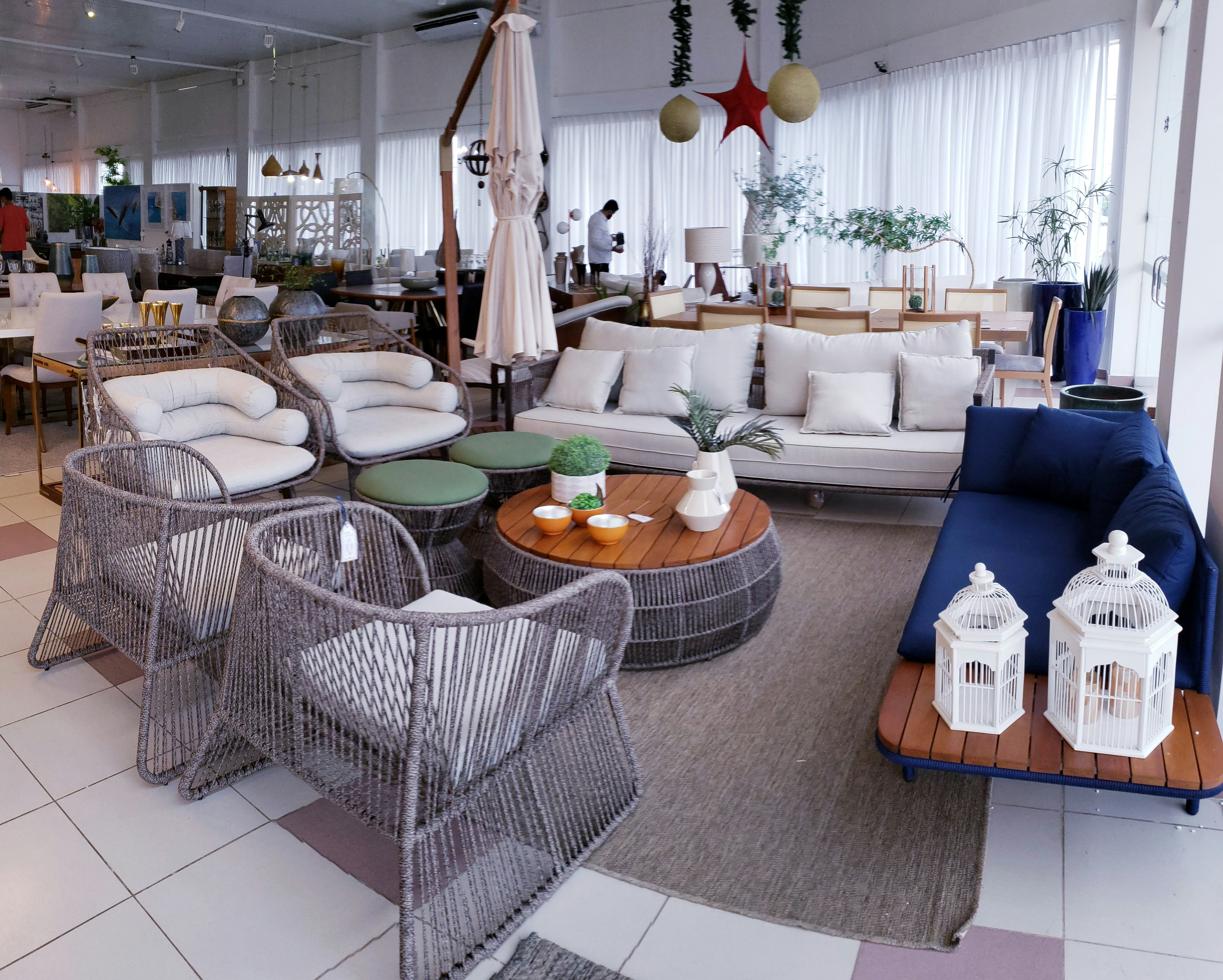
Introduction to DIY Furniture Decoration
DIY furniture decoration has emerged as a popular avenue for individuals seeking to personalize their living spaces. This creative endeavor involves transforming or enhancing furniture pieces through hands-on projects, enabling homeowners and renters alike to express their unique tastes and preferences. Such initiatives not only provide aesthetic benefits but also allow individuals to imbue their spaces with character, making it feel more like home.
One of the primary advantages of engaging in DIY furniture decoration is the cost-effectiveness it offers. In a time when purchasing new furniture can be prohibitively expensive, DIY projects often present a more economical solution. By investing in materials and dedicating time to revamping existing pieces, individuals can achieve remarkable transformations without the hefty price tags associated with brand new items. This approach makes stylish living accessible, encouraging creativity and resourcefulness.
Moreover, DIY projects cultivate creativity. The process of conceptualizing and executing furniture decoration allows individuals to explore their artistic side, often leading to innovative results. From painting techniques to reupholstering, the myriad ways to refresh furniture invite experimentation and imagination. This not only enhances the final product but also enriches the overall experience of creating personalized pieces.
The trend of DIY furniture decoration has gained significant traction, as seen across various platforms and communities. Social media and online tutorials have made it easier than ever to find inspiration and instructions for DIY projects. Given the growing interest in home improvement, many individuals are now driven to take matters into their own hands, ensuring that their spaces reflect their lifestyles and preferences authentically.
By embracing DIY furniture decoration, individuals can create a living environment that is uniquely theirs, blending cost savings with creative fulfillment in the process.
The Benefits of DIY Furniture Decoration
Engaging in DIY furniture decoration presents numerous advantages that appeal to a wide range of individuals. One of the most significant benefits is the cost savings associated with creating or refurbishing furniture on your own. By opting for DIY projects, individuals can often avoid the high prices that retail stores charge for new pieces. This approach allows for a more budget-friendly option, giving you the opportunity to stretch your funds further while crafting beautiful decorative items.
Moreover, there is a unique satisfaction that comes from designing and creating personalized furniture. When you engage in a DIY furniture project, you get the chance to express your creativity and produce a piece that reflects your personal style and preferences. This sense of ownership not only enhances the aesthetic of your living space but also imbues it with character that ready-made items may lack. Such a project fosters a connection between you and your furniture, making it more meaningful and memorable.
In addition to financial and aesthetic advantages, DIY furniture decoration promotes eco-friendly practices. By upcycling old or discarded furniture, you contribute positively to the environment. This not only helps in reducing waste by giving new life to items that otherwise might have ended up in landfills but also encourages sustainable living. The act of repurposing furniture can also spark a heightened awareness regarding the sustainability of materials and the impacts of consumerism.
Finally, embarking on DIY furniture projects offers an opportunity to learn new skills. Whether you are painting, reupholstering, or constructing furniture from scratch, the process can be both inspiring and educational. As you navigate challenges and achieve goals in your DIY endeavors, you gain confidence and a valuable skill set that can be applied to future projects. In essence, DIY furniture decoration is a multifaceted pursuit that combines practicality, creativity, sustainability, and personal growth.
Essential Tools and Materials for DIY Projects
Embarking on a DIY furniture decoration project can be both an enjoyable and fulfilling endeavor. However, adequate preparation is key to achieving successful results. To facilitate your creative process, it is essential to compile a comprehensive list of tools and materials that will cater to various projects and skill levels.
At the most basic level, essential tools include a measuring tape to ensure precise dimensions, a utility knife for clean cuts, and a pair of scissors for various materials. Safety essentials such as goggles and gloves should not be overlooked. A level will help ensure your project is even, while a staple gun and a hammer are invaluable for assembling and securing pieces. As you progress to more advanced projects, consider investing in power tools such as a jigsaw, circular saw, and a drill. These tools will significantly enhance your efficiency and accuracy in creating complex designs.
In addition to tools, sourcing appropriate materials is crucial. Options range from high-quality paints and varnishes for finishing touches to fabrics and upholstery supplies for updating old furniture. Reading levels of durability and design trends allows informed decisions while shopping. Many local hardware stores stock a variety of essential items. Do not overlook online retailers that offer a vast selection of specialty products and budget-friendly alternatives. Thrift stores can also be excellent sources for repurposed items that can be transformed into fashionable decor at a fraction of the cost.
When you gather the right tools and materials, you lay the foundation for a successful DIY furniture decoration project. With careful planning and creativity, the possibilities are endless for transforming your living space into a unique reflection of your personal style.
Inspiring DIY Furniture Decoration Ideas
Transforming your furniture can be an engaging and fulfilling project that enhances the aesthetic of your home. Here, we explore several creative DIY furniture decoration ideas that cater to a variety of styles and preferences. Each idea is designed to be achievable, regardless of your level of experience with craftwork.
One popular project is the decoupage furniture technique. This involves adhering decorative paper or fabric to furniture surfaces using decoupage glue. Required materials include a sealant, a brush, decorative paper, and scissors. Begin by selecting a clean, smooth surface on your furniture. Cut the decorative paper into desired shapes and sizes, apply the glue to the furniture, and carefully place the paper onto it. Finish with a sealant to ensure durability.
Another innovative idea is to create stenciled patterns on your furniture. This technique is perfect for customizing items without overwhelming them. You will need stencils, paint, a sponge or brush, and painter’s tape. Secure the stencil onto your furniture using the painter’s tape, and gently dab paint over the stencil using a sponge. Once dried, remove the stencil to reveal a crisp design that reflects your unique style.
Lastly, consider upcycling old furniture by repainting or refinishing it. This is an excellent way to breathe new life into tired pieces. Gather sandpaper, paint or wood stain, sealant, and brushes. Start by sanding the furniture to remove any old finish. Clean the surface, then apply your choice of paint or stain, followed by a protective sealant once dry. This approach not only revamps your space but contributes to sustainability.
With these inspiring DIY furniture decoration ideas, you can select projects that resonate with your personal style, available space, and existing furniture. Experimenting with various techniques allows for a unique blend of creativity and functionality in your living areas.
Step-by-Step Guide to a DIY Project
Transforming your living space through DIY furniture projects can be an enjoyable and rewarding experience. In this section, we will explore a simple yet impactful project: creating a custom-painted side table. This piece not only adds functionality to your decor but also provides a canvas for personal expression. By the end of this guide, you will be well-equipped to undertake your own furniture decoration project.
To start, gather the necessary materials for this DIY endeavor. You will need a basic wooden side table (which can often be found at thrift stores or online marketplaces), sandpaper (medium and fine grit), a primer, your choice of paint (acrylic or chalk paint works well), a clear topcoat for protection, a paintbrush, a paint roller, painter’s tape, and a drop cloth. Having these materials ready will streamline the preparation process.
Preparation is vital for achieving a professional finish. Begin by cleaning the side table thoroughly to remove any dust or grease. Next, if your furniture has any existing finishes, use medium-grit sandpaper to sand the entire surface lightly. This will help the primer adhere better. After sanding, wipe down the piece with a damp cloth and allow it to dry. Proceed to apply painter’s tape to any areas you do not wish to paint.
Once your table is prepped, it’s time to apply the primer. Using a paint roller, apply a thin, even coat of primer and allow it to dry completely, as per the manufacturer’s instructions. After the primer has cured, begin applying your chosen paint, starting with the edges and then using the roller for larger flat areas. Apply additional coats as necessary until you achieve your desired color saturation. Finally, seal your work with a clear topcoat for added durability.
This step-by-step guide allows you to not only enhance the aesthetic of your space but also develop skills in furniture decoration. With some patience and creativity, your custom side table will be a functional focal point in your home.
Styling Tips for Beautifully Decorated Furniture
To create a harmonious and aesthetically pleasing space with your DIY-decorated furniture, attention to styling is paramount. One of the central tenets of effective furniture styling is the coordination of colors and patterns. Selecting a cohesive color palette will allow the furniture pieces to complement one another, creating an integrated look throughout the room. For instance, if your decorated furniture incorporates a vibrant hue, consider layering in softer tones through cushions, rugs, or artwork to balance visual interest without overwhelming the eye.
Moreover, balancing different styles contributes significantly to the overall decor. Blending modern and rustic elements can infuse your space with character while ensuring that your DIY furniture does not appear disjointed. For example, if you have a sleek, contemporary table, pairing it with a vintage chair can create an engaging contrast, highlighting the unique features of each piece. The key is to ensure that the chosen items share at least one common element, whether it be color, texture, or style, fostering a sense of unity.
Creating focal points within your styling not only draws the eye but also enhances the individuality of your DIY-decorated furniture. This can be achieved by positioning bolder pieces at eye level or using them as the center of attention in a room. Accessories play a crucial role here; incorporating decorative items such as vases, sculptures, or art pieces can elevate the visual appeal and help establish clear focal areas. Layering decor items—such as placing books under a decorative object or arranging pictures in an eclectic gallery wall—adds depth and dimension to your furniture arrangement.
In essence, styling beautifully decorated furniture is about curating an inviting environment that reflects personal taste. Thoughtful consideration of color, balance, focal points, and accessorizing can transform a space, making it not only functional but also visually captivating.
Sustainability in DIY Furniture Decoration
As the demand for eco-conscious living continues to rise, the concept of sustainability in DIY furniture decoration has become increasingly relevant. Embracing sustainable practices not only benefits the environment but also allows individuals to create unique and personalized spaces. One of the most effective ways to incorporate sustainability into home decor projects is through upcycling. This process involves taking old or discarded furniture and transforming it into something new, thereby prolonging its life cycle and preventing unnecessary waste.
Furthermore, sourcing sustainable materials plays a vital role in reducing the environmental impact of DIY projects. Utilizing reclaimed wood, bamboo, or recycled materials can lead to significant reductions in deforestation and resource depletion. Consumers are encouraged to seek out local suppliers who prioritize environmentally friendly practices. In addition, when shopping for materials, look for certifications such as FSC (Forest Stewardship Council) to ensure that the products are sourced from sustainably managed forests.
In addition to materials, the choice of finishes is another critical aspect of sustainable DIY furniture decoration. Non-toxic paints and finishes not only contribute to a healthier indoor environment but also minimize harmful emissions during application. Many brands now offer eco-friendly options that are free from volatile organic compounds (VOCs), which can be detrimental to both health and the environment. When selecting finishes, opting for water-based or natural oil products can provide durable results while supporting sustainable practices.
Ultimately, the integration of eco-friendly materials and practices in DIY furniture projects promotes a more responsible approach to home decor. By focusing on upcycling and selecting sustainable supplies, individuals can significantly reduce their carbon footprint while crafting beautiful, personalized furniture. This commitment to sustainability reflects a broader shift in consumer behavior, encouraging others to adopt similar values in their decorating pursuits.
Where to Share Your DIY Projects
Sharing DIY projects is an integral part of the crafting process, allowing individuals to showcase their creativity while gaining inspiration from others. Various platforms cater to different aspects of DIY culture, making it essential to choose the right one for your creations. Social media sites such as Instagram and Pinterest are particularly effective for visual storytelling. Users often utilize these platforms to share eye-catching images of their completed furniture decoration products, along with step-by-step guides or tips. Engaging hashtags like #DIYFurniture or #CraftingCommunity can help increase visibility and connect with like-minded individuals.
In addition to social media, DIY-focused blogs and websites offer opportunities to share projects in a more detailed format. Platforms such as Instructables and DIY Network allow users to submit comprehensive guides that can include photos, materials lists, and instructional videos. This not only provides valuable information to others but also allows for interaction through comments and suggestions. Furthermore, these platforms often host challenges or contests, creating an encouraging environment for DIY enthusiasts to showcase their skills and creativity.
Online forums remain popular for those who wish to have in-depth discussions about specific projects or techniques. Websites like Reddit have dedicated communities, such as r/DIY, where users can post their work for feedback and engage in constructive conversations with fellow crafters. Local crafting groups, often organized through community boards or platforms like Meetup, can also provide a great way to share projects in person. These groups foster a supportive atmosphere, enabling members to exchange ideas, techniques, and encouragement while forming meaningful connections.
Overall, there are various effective methods and platforms to share DIY projects. By choosing the right venue, you not only showcase your achievements but also cultivate a sense of community and support that can enhance your crafting journey.
Conclusion: Embrace Your Creativity
As we reach the end of this guide on DIY furniture decoration products, it is essential to reflect on the journey that creativity can offer. We have explored various methods and techniques that demonstrate how you can transform your space through simple yet impactful projects. The process of decorating furniture is not merely a task; it is an opportunity to express your individuality and taste. Each brush stroke, fabric choice, and embellishment serves as a testament to your personal style.
The joy of DIY projects lies in their ability to adapt to your needs and preferences. As you embark on your creative journey, remember that starting small can lead to significant transformations over time. Whether it is refinishing an old chair, creating unique wall art, or revamping your living area with handmade accessories, each endeavor will contribute to your decorating skills. The satisfaction derived from completing a project and seeing tangible results is often unparalleled, reinforcing the idea that creativity can enrich your life.
We encourage you to experiment with various ideas and techniques, allowing your imagination to guide you. Document your progress and share your experiences in the comments or through social media platforms. Engaging with a community of like-minded individuals can inspire further creativity and provide invaluable feedback. Remember, every artist starts as a beginner, and your creative journey will only strengthen with time and practice. By embracing your creativity, you can craft a space that is truly your own, reflecting not only aesthetics but also your character.