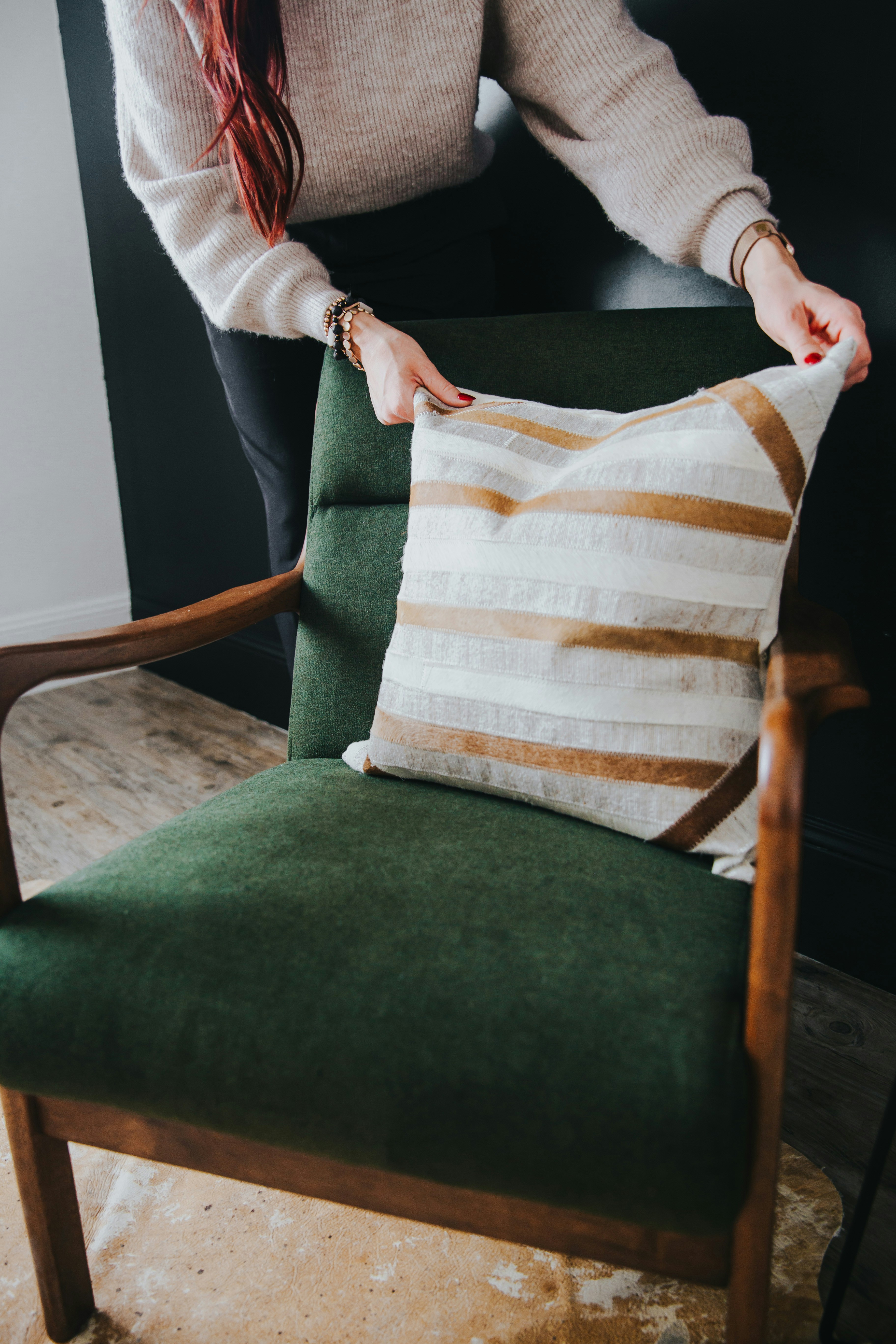
Introduction to DIY Furniture Decoration
The concept of DIY (Do It Yourself) furniture decoration has gained significant traction in recent years, reflecting a shift towards more personalized and creative home environments. As individuals increasingly seek to define their living spaces, the importance of customizing furniture to suit personal styles cannot be overstated. DIY projects not only enhance the aesthetics of a home but also provide an avenue for self-expression, allowing individuals to curate their surroundings in a way that is uniquely theirs.
One of the primary motivations behind engaging in DIY furniture decoration is the ability to reflect one’s personal tastes and preferences. Whether it involves painting an antique dresser in vibrant colors or reupholstering a vintage chair with contemporary fabrics, these projects enable homeowners to transform ordinary pieces into extraordinary focal points. This personalization process contributes significantly to the overall atmosphere of a space, making it more inviting and comfortable.
The growing trend of DIY projects is often associated with cost-effective solutions for home decoration. In an era where budget constraints are common, embarking on DIY furniture decoration can provide stunning results without incurring hefty expenses. By transforming existing furniture rather than purchasing new items, homeowners can achieve substantial savings while enjoying the satisfaction that comes from creating something with their own hands.
Moreover, there is a communal aspect to DIY projects, as many individuals share their successes and ideas online, inspiring others to embark on similar journeys. This sense of community not only fosters creativity but also encourages a collaborative spirit among enthusiasts. As homeowners continue to explore the possibilities of DIY furniture decoration, the movement symbolizes a shift towards individuality and resourcefulness in home design. Engaging in this practice not only enhances the visual appeal of a home but also cultivates skills and confidence in the process.
Choosing Your DIY Furniture Project
When it comes to transforming your living environment, selecting the right DIY furniture project is a crucial first step. Begin by evaluating your skill level. If you are a novice in DIY furniture decoration, start with simpler tasks such as reupholstering a chair or painting an accent table. These projects can introduce you to essential techniques without overwhelming you. As you gain confidence, you can progress to more complex endeavors, such as refurbishing an entire dresser or constructing a custom shelving unit.
Another key consideration is the materials you have on hand. Assess your existing furniture pieces and any leftover supplies from previous projects. Understanding what materials are available will shape the scope of your DIY project and help avoid additional costs. For instance, if you have a basic wooden table, consider enhancing it with a stain or a fresh coat of paint. Conversely, if you possess a more ornate piece, you may explore the option of applying new hardware or adding decorative stenciling.
As you decide on your project, keep in mind the outcomes you hope to achieve. Reflect on the aesthetic you want to create within your space. Do you prefer a cozy farmhouse vibe or a sleek modern look? Analyzing your current decor can help inform your project’s direction. For example, if your living room lacks cohesion, focusing on a central piece, like an eye-catching coffee table, can tie the space together while showcasing your creative flair.
Lastly, assess your space carefully. Consider which furniture item might benefit most from a fresh look. Whether it’s an outdated bookshelf or a drab dining chair, there are countless ways to breathe new life into your existing furniture. By aligning your skills, materials, and desired results, you can embark on a DIY furniture decoration journey that is both fulfilling and transformative.
Essential Tools and Materials for DIY Furniture Decoration
Engaging in DIY furniture decoration projects can be a fulfilling and creative endeavor. To ensure the success of these projects, it is crucial to have the right tools and materials at your disposal. Below, we outline the essential supplies that will facilitate your furniture transformation journey.
First and foremost, paint is perhaps the most vital material for any DIY project. When selecting paint, consider both aesthetic qualities and durability. Water-based acrylic paints are popular due to their ease of use and quick drying times. In addition to paint, brushes and rollers come in various sizes which cater to different surfaces and intricacies of furniture. A high-quality brush will provide smoother finishes, especially for detailed work on intricate designs.
Stencils are another excellent tool for adding decorative patterns to surfaces. They allow you to achieve professional-looking designs without the need for advanced skills. Furthermore, having a set of painter’s tape will help create clean lines and protect areas that you do not wish to paint.
In terms of hardware, screws, nails, and brackets will be essential for assembly and structural integrity. Selecting options made from sustainable materials can contribute to eco-conscious practices while you revamp your furniture. Additionally, incorporating items like sandpaper or a power sander can make surface preparation easier and result in improved adhesion for paints and finishes.
For projects requiring a more customized touch, you may need specialty items such as decoupage glue, wax finishes, or fabric upholstery supplies. These choices allow for a diverse range of creative expressions on your furniture.
Lastly, keep in mind that budget-friendly options are available for all these supplies. Local thrift stores, upcycling marketplaces, or community exchanges often provide opportunities to obtain materials without significant expenditure. By being resourceful and thoughtful with your purchases, you can create stunning home decor while being mindful of cost and sustainability.
Step-by-Step Guide to Basic Furniture Decoration Techniques
Decorating furniture is a rewarding endeavor that allows you to inject your personal style into your home. This guide covers four fundamental techniques: painting, distressing, reupholstering, and decoupage. Each technique will empower you to transform your furniture into eye-catching pieces.
Painting: Begin by choosing the right type of paint for your furniture material. For wooden pieces, chalk paint or acrylic paint works wonderfully. Start by thoroughly cleaning the surface, then sanding lightly to create a smooth base. Apply a primer if necessary to ensure optimal paint adhesion. Use a brush or roller to apply your paint in thin, even coats, allowing adequate drying time between each layer. For a professional finish, consider sealing the painted surface with a clear topcoat once completely dry.
Distressing: This technique adds character to your furniture. To distress a painted surface, use sandpaper or a sanding block to gently rub areas that would naturally wear over time, such as edges and corners. You may also use a wet cloth to wear away paint layers in specific areas for a more controlled effect. Choose a contrasting base color beneath your top layer to enhance the distressed look and give depth to your furniture.
Reupholstering: When your furniture has fabric elements, reupholstering can breathe new life into it. Begin by removing the old fabric carefully using a staple remover. Measure and cut your new fabric, ensuring to leave extra for securing it underneath. Staple the new fabric to the frame, pulling it taut to avoid wrinkles. This technique can be applied to chairs, sofas, and cushions, allowing for a customized style that aligns with your décor.
Decoupage: This technique involves adhering decorative paper, fabric, or images to the furniture surface using glue. Start by selecting your materials and cutting them to fit the desired area. Apply a thin layer of decoupage medium to the surface, then place your cutouts on top, smoothing out bubbles as you go. Finish with additional coats of decoupage glue to seal everything and enhance durability.
Incorporating Upcycling into Your DIY Projects
Upcycling has gained significant traction in recent years as a means to creatively transform old or unused items into functional and stylish pieces that enhance home décor. This process not only revitalizes furniture but also plays a critical role in promoting sustainability by reducing waste in our environment. By choosing to upcycle, individuals can contribute to a culture of recycling, ultimately fostering an eco-friendly approach to home decoration.
When considering upcycling for DIY furniture projects, the first step is to assess what pieces you already own that may no longer serve their original purpose. Common items that are ripe for upcycling include wooden pallets, old chairs, tables, and even dressers. A wooden pallet, for example, can be transformed into a rustic coffee table with minimal effort, requiring only sanding and a protective finish. This not only adds a unique piece to your living space but also showcases a creative approach to furniture decoration.
Another great suggestion is to breathe new life into old chairs by reupholstering them with vibrant fabrics or employing a fresh coat of paint in a trending color. This simple change can dramatically alter the aesthetics of a room and reflect your personal style. Moreover, upcycled furniture can serve as conversational pieces, highlighting your commitment to environmentally responsible living.
It is essential to consider the potential of transformative design approaches when engaging in upcycling. Mixing different materials, such as combining metal frames with recovered wood, can create beautifully unique items. This creative synergy not only adds character to your space but also ensures that your furniture is one-of-a-kind. Overall, the integration of upcycling into your DIY projects brings functional beauty into your home while embracing sustainability and reducing ecological impact.
Color Schemes and Finishing Touches for Furniture Decoration
In the realm of furniture decoration, color schemes play a pivotal role in creating a harmonious and inviting atmosphere. Selecting the right palette can dramatically change the essence of a space, ensuring that your furniture complements the overall aesthetic. Begin by evaluating the existing colors in your room, including walls, flooring, and textiles. From there, you can create a cohesive look by choosing colors that enhance or contrast with these elements, keeping in mind factors such as lighting and room size.
When it comes to painting furniture, opt for shades that resonate with your personal style while also unifying your decor. Soft neutrals can bring tranquility to a space, whereas bold colors can serve as striking focal points. For instance, a vibrant blue or rich green can make a statement in a minimalist setting, drawing the eye and injecting vitality. Fabric choices are equally crucial; consider using complementary materials that add texture and depth. Fabrics in patterns or contrasting hues can elevate a simple piece, transforming it into a stunning accent.
Hardware finishes also contribute to the overall look of your furniture. Knobs, handles, and legs should align with your chosen color scheme. Metallic finishes, such as brass or matte black, can introduce a contemporary flair, while vintage-style hardware can evoke a sense of nostalgia. Accessories further enhance furniture decoration. Items such as decorative trays, books, or handmade art pieces can add charm and character, providing an opportunity for personal expression. Layering these accessories can add interest and dimension to your furniture, reinforcing the cohesive look you seek.
By thoughtfully selecting colors and finishes, along with strategically accessorizing your furniture, you can craft a stylish and cohesive home environment that reflects your tastes and enhances the overall aesthetic.
Safety Tips for DIY Furniture Decoration
Engaging in DIY furniture decoration can be an exciting and fulfilling endeavor. However, it is paramount to prioritize safety to ensure a pleasurable and accident-free project. One of the foremost considerations is ensuring proper ventilation in your workspace. Many paint and varnish products emit toxic fumes that can be harmful when inhaled. Therefore, it is essential to work in a well-ventilated area or outside whenever possible. If working indoors, open windows and doors to facilitate airflow, and consider using fans to circulate air effectively.
Another critical aspect of safety is the use of personal protective gear. Wearing appropriate safety equipment significantly reduces the risk of injury. Protective eyewear should be worn to shield the eyes from dust and debris while working with tools. Additionally, gloves are essential to protect the hands from splinters, chemicals, and sharp edges. A dust mask may also be necessary to filter out harmful particles, especially when sanding or using solvents. It is advisable to invest in high-quality protective gear and ensure it fits properly for maximum protection.
When it comes to handling tools and materials, adopting safe practices is crucial. Always familiarize yourself with the equipment before use, ensuring that you fully understand its operation. Keep your workspace organized by storing tools properly and maintaining a clear area to prevent tripping hazards. Ensure that power tools are well-maintained and used according to the manufacturer’s instructions. Avoid wearing loose clothing or jewelry that could become entangled in machinery. By implementing these safety tips, you can enjoy the creative process of DIY furniture decoration while minimizing risks and promoting a secure environment.
Showcase of Inspiring DIY Furniture Decoration Projects
The world of DIY furniture decoration is vast and vibrant, offering countless ideas that can transform any space into a stylish haven. One exemplary project is the upcycling of an old wooden dresser. By applying a fresh coat of paint and new hardware, creators can breathe new life into forgotten pieces. Utilizing techniques such as ombre painting or decoupage with floral patterns can enhance its aesthetic appeal, allowing for a striking centerpiece in a bedroom or hallway.
Another trend gaining traction is the use of reclaimed materials to craft unique furniture items. For instance, old pallets can be converted into chic coffee tables or rustic benches. By sanding down the wood and adding a clear finish, the natural beauty of the materials shines through, presenting a perfect blend of functionality and artistry. This not only showcases creativity but also promotes sustainability through the repurposing of materials.
For those inclined towards a modern aesthetic, consider the minimalist approach employed in creating custom shelving units. Using simple wood boards and metallic brackets, one can design a sleek, open shelving system that emphasizes organization while showcasing decor items elegantly. This clean style can work wonders in small spaces, providing a visual representation of both order and design sophistication.
Textile-based projects also offer a delightful avenue for creativity. Reupholstering chairs or benches with bold fabrics can redefine their look while infusing a room with color and texture. Fabrics featuring geometric patterns or botanical prints can transform plain furniture into striking focal points in a living room or dining area.
These inspiring DIY furniture decoration projects illustrate the potential of creativity to enhance home environments. By exploring diverse styles and techniques, individuals can embark on their own decorating journeys, resulting in unique and personalized living spaces.
Conclusion: Unleash Your Creativity with DIY Furniture Decoration
Engaging in DIY furniture decoration is not merely about enhancing your living space; it is an opportunity to express your individuality and creativity. The process of transforming ordinary furniture into unique, personalized pieces can provide a profound sense of satisfaction. As you delve into various projects, you gain not only practical skills but also the ability to curate an environment that resonates with your personal aesthetic.
The benefits of undertaking DIY furniture decoration extend beyond the mere visual appeal of your home. Such projects serve as a therapeutic outlet allowing for mindfulness and concentration on the task at hand. Through these activities, one can escape the pressures of the daily grind, channeling energy into something creatively fulfilling. Moreover, the sense of accomplishment achieved when completing a project cannot be understated. Each crafted piece becomes a testament to your hard work, ingenuity, and attention to detail.
Furthermore, customizing your furniture allows you to reclaim items that may otherwise seem outdated or insignificant. By reimagining and revitalizing these pieces, you contribute to a more sustainable approach to home design, reducing waste while creating something entirely your own. This eco-conscious mindset not only impacts the environment positively but fosters a deeper connection to the furnishings within your space.
We encourage you to take the plunge into the world of DIY furniture decoration. Start small, choose a project that excites you, and gradually expand your endeavors. As you navigate through your creative journey, we invite you to share your completed projects and experiences with our community. Such exchanges can inspire others and create a network of creativity, showcasing the myriad possibilities that DIY furniture decoration offers. Embrace the journey of transformation and unlock the full potential of your living environment.