Introduction to DIY Furniture Decoration
In recent years, the concept of DIY (Do It Yourself) furniture decoration has gained significant traction among homeowners and renters. This trend reflects a growing desire for personalization and creativity in home decor. More individuals are embracing the idea that their living spaces should not only be functional but also a true representation of their personality and style. Engaging in DIY projects allows individuals to transform ordinary furniture pieces into unique statements that tell a story.
One of the primary benefits of DIY furniture decoration is cost savings. Many people are seeking affordable alternatives to expensive designer furniture. By repurposing or redecorating existing items, individuals can achieve a fresh look while staying within their budget. This approach is especially beneficial for those in rental properties, where investing in high-priced furniture may not be practical. Nevertheless, achieving a customized aesthetic doesn’t have to come at a high cost; simple upgrades such as painting or reupholstering can make a significant difference.
Additionally, undertaking DIY projects can greatly enhance creativity. The process of selecting colors, patterns, and materials encourages individuals to think outside the box and experiment with their design choices. Whether it’s distressing wood for a rustic effect or adding bold fabric for a pop of color, the possibilities are endless. As people delve into these projects, they often find new skills and competencies, using their creative ability as a means of self-expression.
Moreover, DIY furniture decoration promotes sustainability. In an age where environmental consciousness is paramount, repurposing old furniture helps reduce waste. Rather than discarding outdated pieces, individuals can give them new life through thoughtful redesign. This not only helps the environment but also adds character to one’s space. Ultimately, embracing the DIY ethos allows individuals to create a home that is uniquely theirs while contributing positively to the planet.
Essential Tools and Materials for DIY Projects
When embarking on DIY furniture decoration projects, a well-equipped toolkit can significantly enhance the efficiency and outcome of your work. Firstly, essential hand tools such as paintbrushes, screwdrivers, and sandpaper should form the foundation of your collection. Paintbrushes come in various sizes and types, with synthetic brushes being ideal for water-based paints and natural bristle brushes better suited for oil-based paints. Sandpaper, available in different grits, is crucial for smoothing surfaces and preparing them for a finish.
Additionally, power tools can greatly expedite your projects. A power drill is indispensable, facilitating the drilling of holes and driving screws with ease. When selecting a drill, consider models with variable speed settings for greater versatility. Another useful power tool is the circular saw, which allows for precise cuts in wood materials, making it easier to create customized furniture pieces.
Furthermore, if fabric is part of your project, a sewing machine can open up a wide range of creative possibilities. Basic fabric materials, such as upholstery or canvas, should be chosen according to the intended use and desired aesthetic. Look for high-quality materials that offer both durability and visual appeal. Beyond tools and fabric, adhesives such as wood glue or spray adhesive will be necessary for assembling parts of your furniture and ensuring a strong bond.
Don’t forget to acquire safety gear as well, including safety goggles, gloves, and dust masks. These items are essential for protecting yourself from potential hazards associated with DIY tasks. To summarize, equipping yourself with the right tools and quality materials is paramount for successful DIY furniture decoration projects, allowing for both creativity and safety as you transform your space.
Budget-Friendly DIY Furniture Ideas
Transforming your space does not need to strain your wallet. There are numerous budget-friendly DIY furniture decoration ideas that blend style, creativity, and cost-effectiveness. One of the foremost ways to achieve this is by upcycling old furniture. A fresh coat of paint can breathe new life into worn-out pieces, turning an ordinary chair or table into a striking statement. Opting for chalk paint can give a vintage feel, while spray paint offers a sleek modern finish. Neutral colors can complement existing decor, while vibrant shades can make your furniture pop.
Thrift stores, garage sales, and online marketplaces are treasure troves of inexpensive materials and furniture waiting for transformation. Items like wooden crates can be repurposed into stylish bookshelves, while old doors can be turned into unique coffee tables. Additionally, creating accent pieces such as a bench from reclaimed wood or a side table from a tree stump can serve both functional and aesthetic purposes. These projects not only save money but also minimize waste, which aligns with sustainable living practices.
Another practical approach is to enhance existing furniture with details like stencils or hardware updates. Adding new knobs or handles to cabinets can shift their entire look, while fabric remnants can revamp upholstery on chairs or sofas. Exploring fabric paint to create patterns can add a personal touch to otherwise plain surfaces. For those who wish to integrate a touch of greenery, consider incorporating potted plants on shelves or stands made from inexpensive materials like PVC pipes.
With some creativity and resourcefulness, anyone can transform their living space into a beautiful, personalized haven without exceeding their budget. Embracing these ideas not only enhances the appeal of your home but also fosters a satisfying DIY experience.
The Best Furniture Painting Techniques
Transforming furniture through painting is a cost-effective way to breathe new life into your living space. With the right techniques, even a novice can achieve professional-looking results. Among the most popular methods, chalk paint, spray paint, and stenciling stand out for their versatility and ease of use.
Chalk paint is renowned for its matte finish and ability to adhere to various surfaces without extensive preparation. This paint type provides a rustic appearance, making it ideal for vintage or shabby-chic styles. To apply chalk paint effectively, start by cleaning the surface thoroughly to remove any dust or grease. A single coat often suffices, but two coats may be necessary for deeper colors. After the final coat, consider applying a wax or sealant to enhance durability and achieve a smooth finish.
Alternatively, spray paint offers a quick and even application, perfect for larger pieces or intricate designs. When opting for this technique, use a primer if the furniture has a glossy finish to ensure the paint adheres properly. Hold the spray can about 12 inches away from the surface and apply light coats to avoid drips. Additionally, employing a variety of colors can create a stunning ombre effect or add depth to simple furniture.
Stenciling is another creative method that allows you to incorporate patterns into your furniture. This technique requires a steady hand, but the results can be striking. Choose a stencil design that complements your room’s aesthetic; then, use a brush or sponge to apply the paint gently over the stencil, lifting it away carefully to reveal the pattern. For optimal results, ensure the paint is dry between layers, and adhere to color theory principles by selecting hues that harmoniously blend with existing decor.
By mastering these painting techniques, individuals can transform their furniture to reflect their style, improving the overall aesthetics of their home. Whether using chalk paint, spray paint, or stenciling, the key is practice and patience, leading to stunning transformations that elevate any space.
Textiles and Upholstery: Adding Comfort and Style
Textiles play an essential role in enhancing the overall aesthetic and comfort of furniture. One of the most effective ways to refresh your space is through reupholstering chairs, which not only improves their appeal but also allows you to incorporate personal style. Selecting the right fabric is crucial; it is important to consider durability, texture, and color to ensure that it complements the room’s decor. Bold patterns may serve as focal points, while neutral tones can create an elegant base.
For those seeking an easier alternative, using slipcovers can transform furniture without the commitment of reupholstering. Slipcovers allow for seasonal changes and are user-friendly, often requiring minimal sewing skills. They also offer the advantage of being machine washable, making maintenance a breeze. When choosing slipcovers, pay attention to the fit; tailored designs provide a polished look, while looser styles can make a more casual statement.
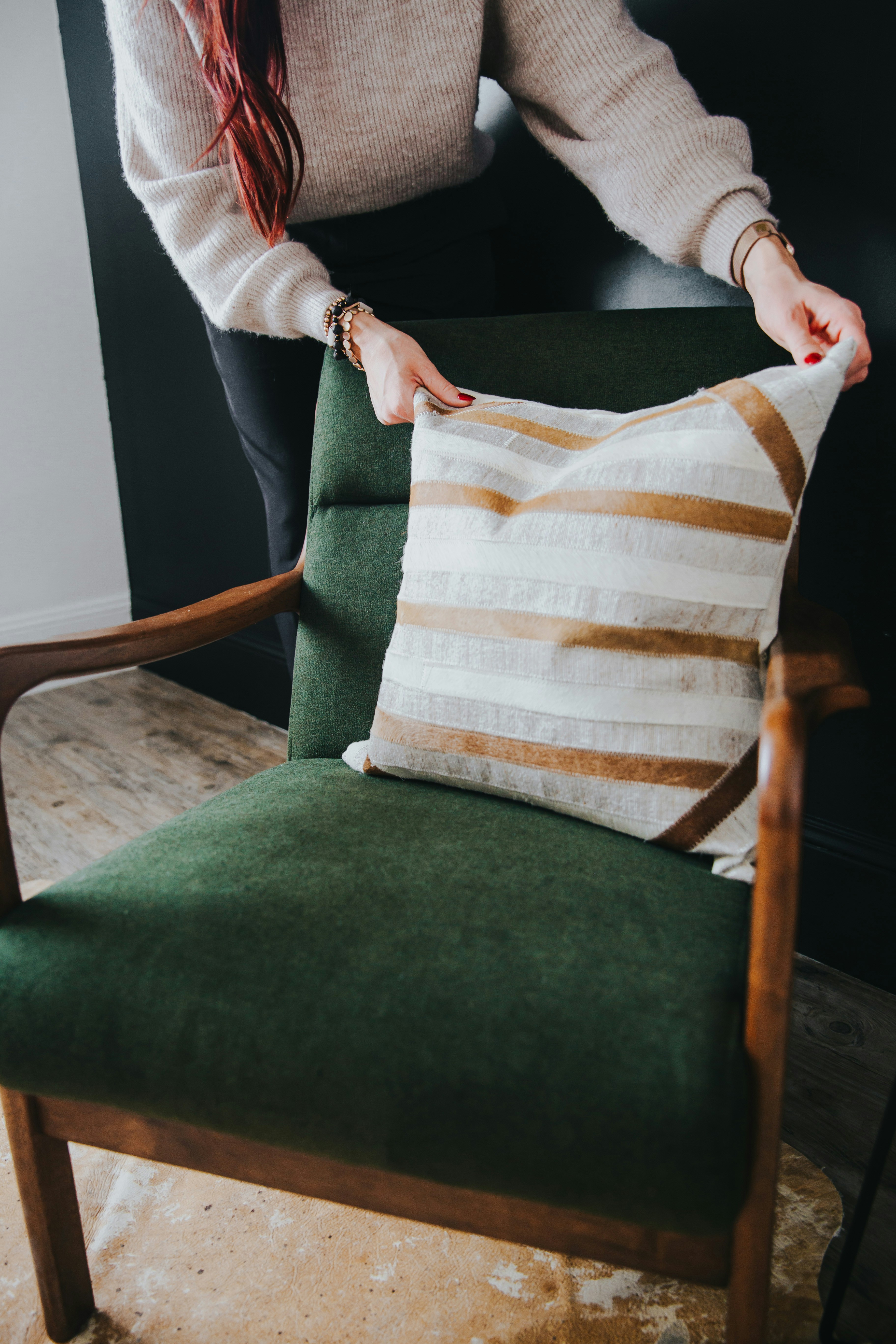
Incorporating cushions and throws is another effective strategy to add layers of comfort to your space. Throw pillows can introduce complementary colors or textures, enriching the visual appeal of your furniture. Consider varying the sizes and shapes of these accessories for a more curated look. Similarly, blankets can be draped over sofas or chairs not only for warmth but also for an inviting atmosphere. The choice of fabrics for cushions and throws can further enhance the tactile experience, with materials like velvet or knitted fibers offering varied sensations.
Implementing these textile solutions can lead to a significant transformation of your living space. Whether you choose to reupholster, use slipcovers, or add cushions and throws, each method provides an opportunity for creative expression while enhancing comfort. With careful selection and application, textiles can become a defining feature of your interior design.
Incorporating Natural Elements into Furniture Design
The modern trend of incorporating natural elements into furniture design not only enhances aesthetic appeal but also creates a soothing and organic atmosphere within indoor spaces. Materials such as wood and rattan, alongside the strategic use of plants, are increasingly popular choices for DIY furniture decoration projects. By integrating these elements, one can bring a touch of nature indoors, transforming living areas into serene, refreshing environments that promote well-being and comfort.
Wooden accent tables are an excellent example of a DIY project that showcases natural materials effectively. These versatile tables can serve various purposes, from holding beverages and books to enhancing the visual appeal of a room. To create a wooden accent table, one could source reclaimed wood for a rustic look or select a smoother hardwood for a more contemporary appearance. The finishing touches—such as sanding, staining, or varnishing—can further highlight the wood’s natural grains and colors, resulting in a unique piece that reflects individual style.
Rattan is another material that complements natural furniture design beautifully. Its lightweight nature and woven patterns add texture and depth to furniture items, making it an ideal choice for items like chairs or side tables. DIY enthusiasts can find rattan kits or repurpose existing furniture by applying rattan weaving techniques to create stunning designs that will undoubtedly captivate guests.
Furthermore, incorporating plants into furniture design can enhance the natural surroundings within a home. A stylish plant stand or an integrated shelving unit for potted plants can introduce vibrancy to the space. Not only do these elements serve as decorative features, they also provide health benefits by improving air quality. To maintain these natural elements, regular cleaning and ensuring plants receive appropriate sunlight will maximize their longevity and aesthetic appeal.
Innovative DIY Storage Solutions
In today’s fast-paced world, the need for efficient storage solutions has never been more critical. Innovative DIY storage options not only help maximize space but also allow you to showcase your personal style. One effective project is creating under-bed storage, which utilizes otherwise wasted space. Begin by measuring the height and length of your bed frame to ensure a perfect fit. You can use rolling bins or fabric boxes, which make accessing your items easy and organized. Opt for neutral colors or patterns that match your bedding for a cohesive look.
Another stylish solution is to add floating shelves to your walls. These shelves are particularly beneficial in smaller rooms, where floor space is at a premium. To build your floating shelves, select durable wood or MDF. Measure the height and width of the desired location and cut the boards accordingly. After installation, these shelves can serve multiple purposes—from displaying decorative items to storing books. Utilizing decorative baskets or sleek containers on the shelves can further enhance the aesthetic appeal while keeping clutter at bay.
Additionally, multifunctional furniture pieces, such as ottomans that double as storage, can transform a space efficiently. Choose an ottoman design that complements your existing décor, ensuring it blends seamlessly into the room. Start by measuring the dimensions of the ottoman to determine the storage capabilities it will provide. You can easily customize the interior by adding dividers or small bins to organize items effectively. This dual-purpose furniture not only adds comfort but also serves as an effective storage solution.
These creative DIY storage solutions can make a significant difference in your home organization. By taking the time to plan and measure carefully, you can create practical and visually appealing projects that meet your storage needs without compromising on style.
Curating a Cohesive Look for Your Home
Creating a cohesive look in your home when engaging in DIY furniture decoration is essential for establishing a harmonious environment. A unified space enhances the overall aesthetic and promotes a sense of comfort and tranquility. To begin, it is crucial to select a theme that resonates with your personal style. Whether you prefer a modern, rustic, bohemian, or minimalist approach, a clear theme will guide your furniture choices and decorative accents.
Next, carefully consider your color palette. Selecting a harmonious color scheme can significantly influence the mood of your space. Aim for a combination of two to three primary colors, complemented by neutral tones. The strategic use of these colors in your DIY furniture and decor will create visual consistency throughout the room. For instance, if you choose a soft blue as your primary color, incorporating it into various items, such as upholstered chairs or painted tables, can link your space cohesively while allowing for the introduction of complementary colors.
Balance and proportion are also vital when curating a cohesive look. Assess the size and scale of your furniture and decorative items to ensure they are well-proportioned within the space. Large furniture pieces can dominate a room, so it’s critical to balance them with smaller items or accessories. Additionally, placing similar styles or colors at opposite ends of a room can create symmetry, enhancing the overall visual appeal. Consider incorporating various heights and textures as well, allowing your DIY furniture to bring both dimension and interest to your space.
By thoughtfully selecting a theme, color palette, and ensuring balance in your decor, you can effectively curate a cohesive look that resonates with your personal tastes and invites comfort into your home. This methodical approach allows for an inviting atmosphere that reflects your style.
Sharing Your DIY Projects with the Community
Engaging with a community of DIY enthusiasts can significantly enrich your creative journey. Sharing your DIY furniture projects not only fosters a sense of belonging but also opens up avenues for collaboration and support. Online forums, social media groups, and local workshops provide ideal platforms for showcasing your creations and connecting with like-minded individuals who share your passion for DIY decor.
One effective way to document your projects is through step-by-step progress photos and well-written descriptions. By sharing the challenges you faced and the solutions you implemented, you can contribute valuable insights to others who might be grappling with similar projects. Platforms such as Instagram or Pinterest are visual-centric, allowing you to highlight the aesthetic appeal of your furniture items while reaching a wider audience.
Participation in local workshops can also enhance your DIY experience. These gatherings provide opportunities to learn new techniques or even to collaborate on larger projects. Sharing tips and tricks face-to-face can facilitate stronger bonds among community members, enriching everyone’s skill set. You could also consider organizing or attending swap events, where fellow DIY enthusiasts can exchange materials or even completed projects, further solidifying community connections.
Moreover, engaging with online forums allows for open discussions, where members can ask questions and offer assistance. Constructive feedback can help refine your skills and inspire you to take on new challenges. Remember to use hashtags related to your projects when sharing on social media, so others can find and join the conversation easily.
In essence, sharing your DIY projects is about more than just showcasing your work; it is an invitation to create a dialogue with fellow enthusiasts. This interaction fosters growth, encourages innovation, and ultimately enhances the joy of DIY furniture decoration.