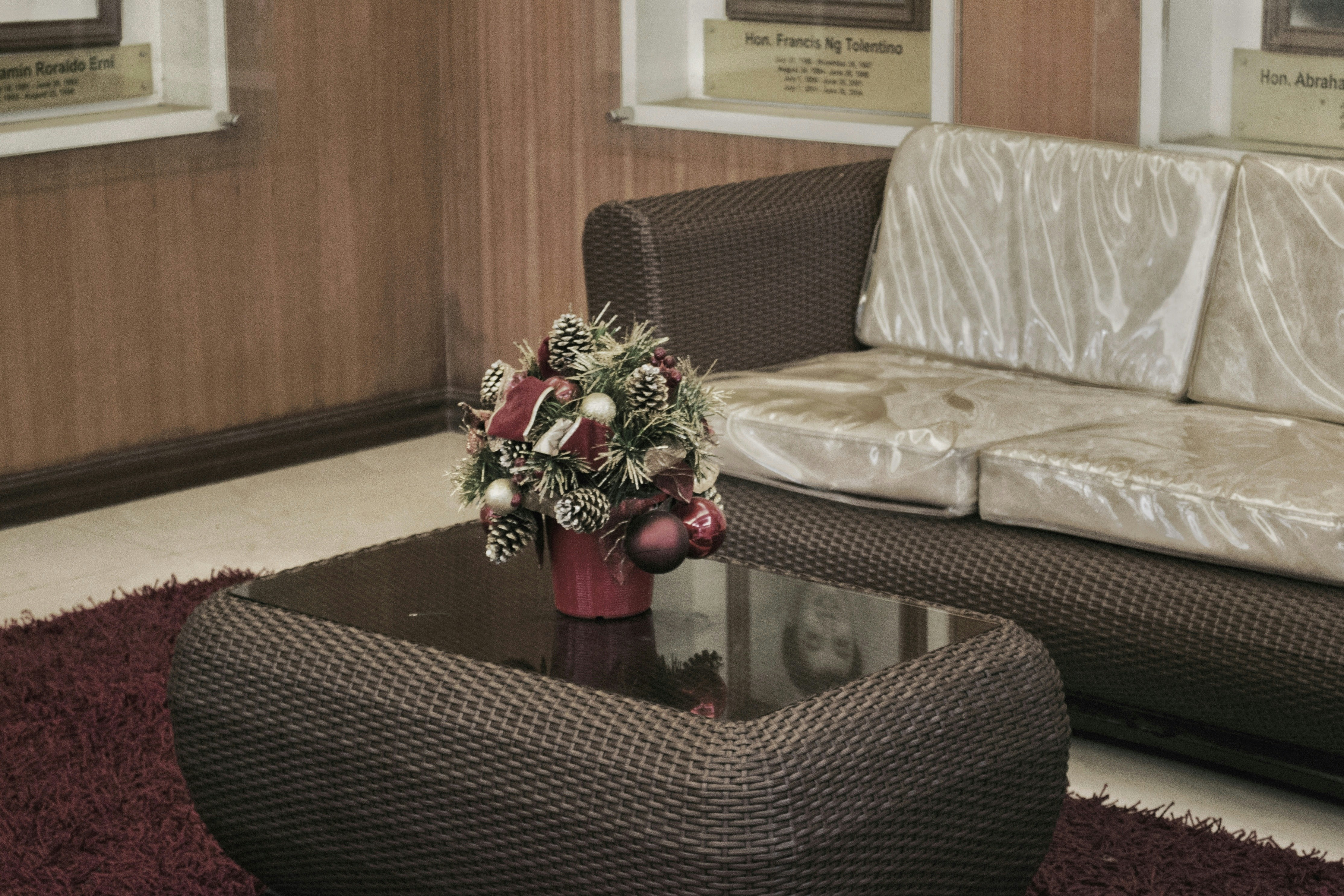
Introduction to DIY Furniture Decoration
DIY furniture decoration has emerged as a popular trend among homeowners and renters, allowing individuals to create personalized spaces that reflect their unique tastes and lifestyles. The concept revolves around the idea of transforming existing furniture or crafting new pieces using creative techniques and accessible materials. This growing movement is not only a testament to the desire for customization but also highlights the practicality of adapting spaces to individual needs.
One of the primary benefits of engaging in DIY furniture decoration is cost-effectiveness. By repurposing or upcycling old furniture, individuals can achieve stunning transformations without the hefty price tag associated with purchasing brand new items. This approach enables people to allocate their budget elsewhere while still achieving a stylish and functional home environment. Additionally, a DIY approach encourages creativity, allowing individuals to explore different design styles, colors, and textures that might not be available in mass-produced furniture.
Moreover, the satisfaction derived from crafting something unique cannot be overstated. The act of creating or modifying furniture provides a sense of accomplishment and ownership over one’s living space. As DIY projects progress, individuals often experience a deeper connection to their furniture, contributing to an overall sense of belonging and fulfillment within their home. Beyond the personal advantages, DIY furniture decoration also enhances the aesthetic appeal of a living environment, as customized pieces can become focal points that showcase personality and taste.
In essence, the trend toward DIY furniture decoration not only enriches individual spaces aesthetically but also empowers people to take an active role in the design and functionality of their homes. This transformative practice combines affordability with creativity, making it an increasingly popular choice for those seeking to inject their personal flair into their surroundings.
Choosing the Right Furniture for DIY Projects
When embarking on a DIY furniture decoration project, selecting the right pieces is crucial for ensuring a successful transformation. One of the first steps is to identify furniture that is worth revamping. Vintage finds from local flea markets or thrift shops often carry unique character and can serve as an excellent foundation for creative projects. These pieces not only add a distinctive flair to your home but also promote sustainability by repurposing older materials.
In addition to vintage items, consider outdated furniture that has become less desirable in its current state. For instance, a drab wooden chair or an uninspired cabinet can be revitalized through techniques such as painting, reupholstering, or adding decorative elements like stenciling or decals. Investing in inexpensive flat-pack furniture can also yield fruitful results. Such items often provide a simple canvas that allows for expansive creativity, making them excellent choices for DIY projects.
Before you commit to any piece of furniture, it is essential to assess its structural integrity. A sturdy frame is vital for ensuring that your efforts in decoration will not only enhance the aesthetic appeal but also improve stability and functionality. Look for solid wood over particle board, and ensure that joints and connections are sound. Common furniture types suited for decoration projects include chairs, tables, and cabinets, as these frequently allow for various modification options. Additionally, items with drawers or shelves can offer a practical component, marrying functionality with style.
Ultimately, the key is to select furniture that resonates with your vision and has the potential for a remarkable transformation. By approaching the selection of pieces thoughtfully, you can create stunning updates that reflect your personal style while enjoying the DIY process.
Essential Tools and Materials for DIY Furniture Decoration
Embarking on a DIY furniture decoration project requires not only creativity but also the right tools and materials. Whether you are a beginner or a seasoned DIYer, having a comprehensive list of essential items can greatly enhance your project. First and foremost, basic tools are indispensable; these include paintbrushes of various sizes, which are essential for applying paint or stains evenly. Sandpaper is also a must-have, as it allows for smoothing surfaces and preparing them for painting or refinishing.
Moreover, an assortment of screwdrivers will be necessary for assembly and disassembly tasks. Depending on the complexity of your project, you might also consider a hammer, a saw, and a measuring tape, which help ensure accuracy in your furniture modifications. For more intricate designs, specialty items such as stencils or decoupage supplies can add a unique touch to your furniture pieces. Stencils are particularly useful for creating patterns, whereas decoupage can transform a dull surface with artistic flair.
In terms of materials, the importance of eco-friendly and budget-friendly options cannot be overstated. When selecting paints, consider water-based, low-VOC (volatile organic compounds) varieties that are healthier for both you and the environment. Natural or reclaimed wood can serve as an excellent choice to create durable and aesthetically pleasing results. Additionally, fabric remnants from previous projects can be repurposed for upholstery, reducing waste and costs. Other affordable materials might include wallpaper or contact paper, which can easily revamp surfaces at a minimal expense.
By equipping yourself with the right tools and sustainable materials, you can transform your living space creatively while being mindful of your budget and the environment. The journey of DIY furniture decoration not only enhances your home but also empowers you with the skills and confidence to tackle future projects.
Creative Painting Techniques for Furniture Makeovers
Transforming your furniture with paint can breathe new life into old pieces, making them not only functional but also stunning centerpieces in your home. Several creative painting techniques can be employed to achieve impressive results. Below, we explore some popular methods, providing step-by-step instructions and project inspirations to guide your furniture makeover.
One of the most sought-after techniques is distressing, which gives furniture an aged, vintage look. To distress furniture, begin by applying a base coat of paint and allowing it to dry completely. Next, use a fine-grit sandpaper to gently rub the edges and areas that would naturally wear over time, revealing the undercoat. Follow up with a clear sealant to protect your newly distressed finish.
The ombre technique offers a modern and stylish vibe to your furniture. To create an ombre effect, start with two or three shades of the same color. Paint the top with the lightest shade and gradually mix in darker shades as you move down the piece, blending at the transitions for a seamless gradient. This technique is perfect for drawers or shelving units, creating a stunning visual impact.
Stenciling is another effective way to add intricate designs without complicated freehand painting. Begin with a clean, painted surface. Secure your stencil in place, then use a stencil brush to apply paint, ensuring minimal paint load on the brush to prevent bleeding. Once the design is complete, remove the stencil carefully and allow it to dry. Stenciling allows for a personalized touch on furniture items, fostering creativity and uniqueness.
Chalk paint has surged in popularity due to its adaptability and matte finish. It adheres well to various surfaces, making it ideal for furniture makeovers. Simply apply two coats of chalk paint, allowing adequate drying time between applications. For a finished look, seal the surface with a wax or polycrylic topcoat.
In conclusion, these creative painting techniques offer delightful ways to enhance your furniture. Whether you opt for distressing, ombre, stenciling, or chalk paint, each method has its unique charm and potential to transform your space. Gather some supplies, get inspired, and start your journey towards beautifully decorated furniture today.
Upcycling: Turning Old Furniture into Treasures
Upcycling is a sustainable and creative way to breathe new life into old furniture. This transformative process involves taking discarded or unused items and repurposing them into functional and aesthetically pleasing pieces. Through upcycling, individuals can not only reduce waste but also personalize their living spaces with unique creations that reflect their style.
One popular example of upcycling is converting an old dresser into a stylish TV stand. By removing the top drawers and ensuring a sturdy surface, you can create a practical and attractive base for your television. This project not only allows for additional storage in the remaining drawers but also adds character to your living room. A fresh coat of paint or refinishing the wood can help match the stand to your existing decor, enhancing the overall design of the space.
Another inspiring upcycling project involves transforming wooden pallets into garden furniture. Pallets can be easily sourced and are often available for free or at a low cost. With a little sandpaper and some outdoor paint, you can turn these simple structures into comfortable outdoor seating or tables. Dismantling and reconstructing pallets can allow for customization, ensuring that the final product meets specific design preferences while also being durable enough for outdoor use.
Turning an unused bookshelf into a chic bar cart is yet another excellent example of upcycling. By attaching wheels to the base and adding hooks for glasses and bottles, homeowners can create a mobile beverage station perfect for entertaining. This project not only maximizes the use of existing furniture but also contributes to a lively atmosphere during gatherings.
Ultimately, upcycling encourages creativity and innovation, pushing individuals to think outside the box. Remember that ensuring the durability and functionality of each new piece is essential to enjoying the full benefits of their upcycled treasures.
Adding Decorative Touches: Fabric and Accessories
Transforming the look of your furniture requires thoughtful consideration of fabric and accessories that can add decorative touches. One of the most effective ways to breathe new life into your chairs and sofas is through various upholstery techniques. Reupholstering a piece of furniture allows you to select fabrics that align with your personal style and the overall aesthetic of your space. Whether you opt for bold patterns that make a statement or subtle textures that provide depth, the choice of fabric can significantly enhance the visual appeal of your furniture.
In addition to upholstery, the strategic use of throw pillows can dramatically change the influence of a room. Throw pillows come in an array of colors, patterns, and shapes, enabling you to introduce layers and textures to your seating. Mixing and matching different pillow styles not only adds comfort but also contributes to the overall cohesiveness of your room’s design. For a more comprehensive transformation, consider using slipcovers. Slipcovers provide a practical approach to furniture decoration, allowing for easy washing and a quick change in look, suitable for adapting your space to different seasons or occasions.
Moreover, enhancing cabinets and drawers with decorative hardware is an often-overlooked method of adding personality to your furniture. Knobs and handles are available in various materials including metal, ceramic, and glass, enabling you to create a unique style that resonates with the surrounding decor. Another elegant touch can be achieved with mirrors and decorative accents. Framing mirrors above your furniture can create an illusion of space and light, while intricate accessories can serve as focal points that draw the eye and engage interest. Ultimately, the key to successful furniture decoration lies in thoughtfully curated accessories that reflect your individuality and create a harmonious look throughout your space.
Creating a Personal Style: Matching DIY Furniture with Home Decor
When embarking on the journey of DIY furniture decoration, it is essential to align your creations with your home decor style for a cohesive aesthetic. The first step is to identify your personal style, which could range from rustic to modern, bohemian to minimalist. Each style possesses distinctive characteristics that dictate color schemes, textures, and materials. For instance, a rustic style often embraces natural wood finishes, earthy colors, and a more rugged texture, while modern aesthetics favor clean lines, neutral tones, and sleek materials.
Color schemes play a vital role in integrating DIY furniture into your decor. Start by assessing the existing palette within your space. Consider using a color wheel to identify complementary hues that can enhance the overall visual appeal. If your decor leans towards warm tones, opting for a DIY piece in a matching warm hue can create a seamless transition. Conversely, if your home features cooler shades, incorporating furniture with similar tones can foster balance.
Moreover, texture variation can significantly impact the perception of your space. Mixing diverse textures—such as soft fabrics with hard surfaces or polished finishes with distressed appearances—adds depth and interest to your decor. When designing your DIY furniture, choose materials that echo the textures present in your environment. For example, if your home features soft, plush textiles, consider creating a DIY sofa or chair with similarly comfortable upholstery.
Lastly, integrating your handcrafted pieces into existing decor is vital for achieving a harmonious look. Position your DIY furniture pieces in a manner that complements other elements in the room. Grouping items in a thoughtful layout or highlighting a feature wall can bring focus to your creations while ensuring they harmonize with the overall ambiance of your home. This intentional integration amplifies the charm of your DIY endeavors while reinforcing your unique design vision.
Safety Tips and Best Practices for DIY Furniture Projects
Engaging in DIY furniture decoration can be an exhilarating endeavor, yet it is crucial to prioritize safety throughout the process. One of the paramount safety tips is to ensure the correct use of tools. Always familiarize yourself with the tools you plan to use, whether they are power tools or hand tools. Read the respective manuals and follow the guidelines to prevent injuries. Additionally, keeping your workspace organized can minimize the risk of accidents.
Ventilation is another significant aspect to consider. When working with paints, stains, or any finishing products, ensure that you are in a well-ventilated area. Proper airflow can help reduce the inhalation of toxic fumes, which are often present in these materials. Open windows and doors or utilize fans to create a flow of fresh air. This is particularly critical when applying any varnish or lacquer that may emit strong odors.
Moreover, wearing appropriate protective gear is essential for any DIY project. Safety goggles, masks, gloves, and even ear protection can safeguard you from potential hazards. Protective goggles will shield your eyes from dust and debris, while masks can help prevent the inhalation of harmful particles and chemical vapors. Additionally, gloves can protect your skin from irritants in paints and stains.
Always adhere to manufacturer instructions for any materials you are using. Paints, finishes, and adhesives come with specific guidelines for application and safety precautions. Following these guidelines can ensure optimal results and reduce the risks associated with improper use.
Finally, proper disposal of hazardous materials and paint products should never be overlooked. Many localities offer hazardous waste disposal services to ensure such materials do not harm the environment. Be vigilant about disposing of any leftover chemicals responsibly to protect both your health and the ecosystem.
Conclusion: Embrace Your Creativity with DIY Furniture Decoration
As we conclude this exploration of DIY furniture decoration, it is essential to recognize the enriching value it brings to our living spaces. The ability to transform simple, perhaps uninspired furniture into personalized masterpieces not only enhances the aesthetic appeal of our homes but also instills a sense of pride and empowerment. Each creative project serves as a truthful reflection of your individual style, allowing you to express yourself while simultaneously revitalizing your environment.
Throughout this blog post, we have explored a variety of inventive approaches to furniture decoration, ranging from upcycling old items to creative painting techniques and employing unique materials. These ideas can serve as a springboard for your own projects, urging you to experiment and express your originality. The process of engaging in DIY initiatives fosters not only a connection with your furniture but also a deeper appreciation for the work that goes into crafting a unique piece.
By taking the plunge into DIY furniture decoration, you embark on a journey of self-discovery and creativity. It is an opportunity to let your imagination run wild, transforming even the most ordinary furniture into something special. We encourage you to dive into your projects, and do not hesitate to share your experiences and successes with others. By fostering a community among DIY enthusiasts, we can inspire one another; share tips, and showcase innovative approaches that contribute to the creative tapestry of furniture design.
In embracing your creativity, remember that every piece you decorate tells a story. Let it be one that reflects who you are, and let each project serve as a reminder of your unique vision and capabilities.