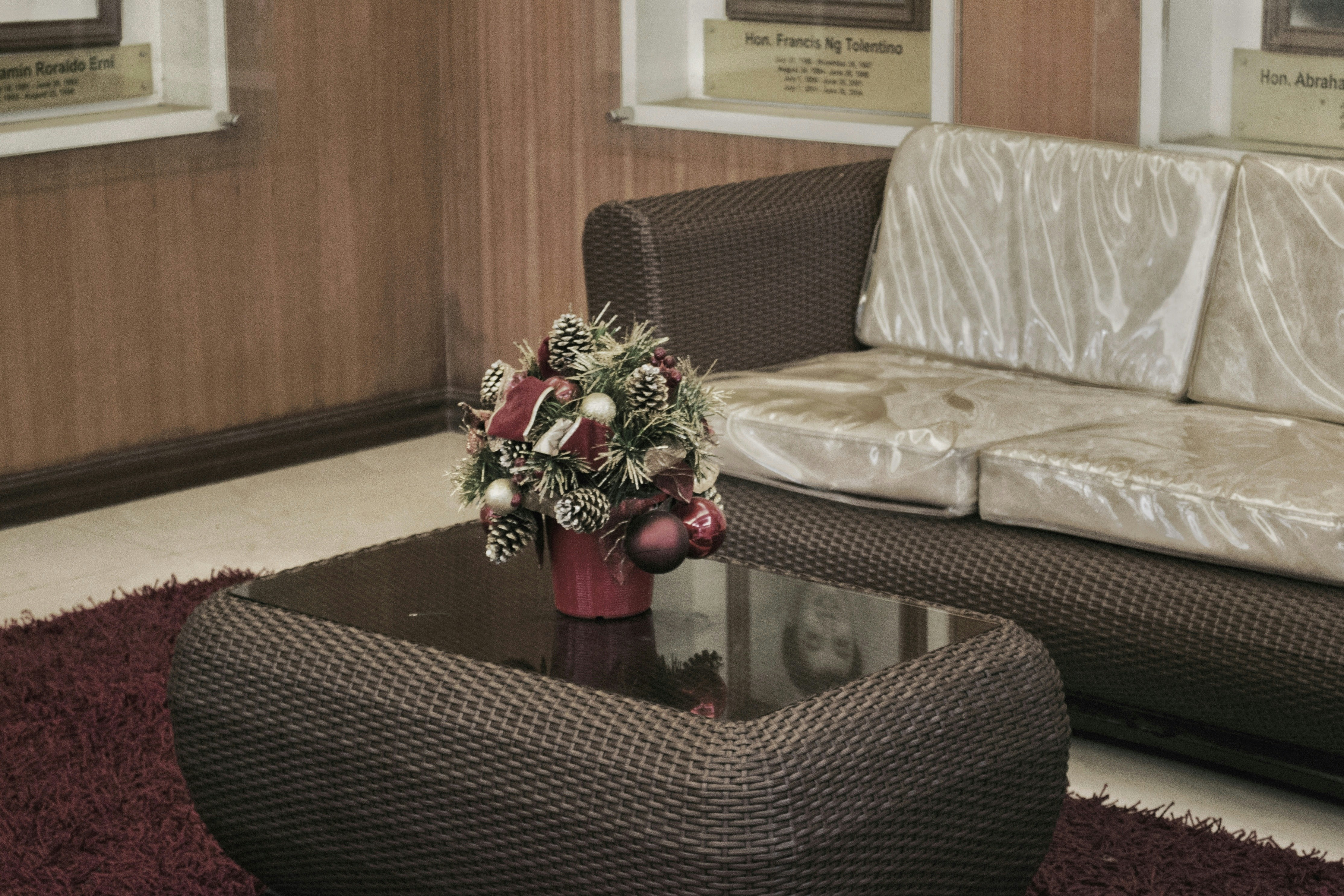
Introduction to DIY Furniture Decoration
DIY furniture decoration has gained significant popularity as homeowners seek to personalize their living spaces while adding a unique touch to their interiors. This creative approach to home decor offers an opportunity for individuals to express their personal style and transform their environment according to their preferences. By opting for DIY projects, one can not only customize furniture pieces but also inject new life into older items, fostering a sense of accomplishment and ownership.





The benefits of DIY furniture decoration extend beyond aesthetics. One of the most compelling aspects is its cost-effectiveness. Rather than purchasing expensive new furniture, individuals can repurpose existing pieces or acquire second-hand items at lower prices. Through simple modifications such as painting, reupholstering, or adding decorative elements, these projects can result in stunning transformations that are easy on the budget. Furthermore, the skills developed during these projects can lead to a greater understanding of design and craftsmanship, allowing for even more complex projects in the future.
Another vital advantage of engaging in DIY furniture decoration is the opportunity to embrace sustainability. By revamping old furniture rather than discarding it, individuals contribute to waste reduction and promote less consumption of new materials. This practice aligns with a growing awareness of environmental impacts in home design, encouraging a more responsible approach to decorating.
Ultimately, DIY furniture decoration serves as a means of enhancing one’s living space while providing opportunities for creativity, self-expression, and financial savings. With simple changes and a little imagination, anyone can create a cohesive and inviting atmosphere that reflects their distinct taste and lifestyle. This blog post aims to explore various DIY decoration ideas that can illuminate your home and inspire your creative journey.
Choosing the Right Furniture for Your DIY Projects
Selecting the right furniture for your DIY projects is a crucial first step in creating a successful transformation. The furniture you choose can significantly impact the overall aesthetic of your space, so it is essential to consider several factors before making a decision. One of the primary considerations is size; furniture dimensions should complement the existing layout of your room. Measure the area where you intend to place the furniture to ensure that it does not overwhelm the space or appear too small.
Style is another important factor. Consider your personal taste and the overall theme of your home when selecting furniture. A coherent design style creates a harmonious environment. Whether you prefer modern, rustic, vintage, or eclectic designs, selecting furniture that aligns with your vision can simplify the DIY process and lead to more satisfying results. Try to visualize how each piece will fit within your existing décor to effectively determine its suitability.
Material choice also plays a pivotal role in your selection process. Different materials come with distinct advantages and disadvantages; for example, wood is sturdy and timeless, while metal can convey a contemporary aesthetic. Think about the level of durability you require, especially if the furniture will be subjected to frequent use. Thrift stores can be gold mines for quality, affordable pieces that require a bit of creativity to refresh. Look for solid wood or metal items that can withstand a makeover, as these materials provide a great base for your projects.
Lastly, functionality should not be overlooked. Ensure the furniture you choose meets your practical needs, such as storage, seating, or display options. Misaligned functionality can lead to dissatisfaction over time. By evaluating the size, style, material, and functionality of potential furniture pieces, you can confidently engage in your DIY projects and create beautiful transformations for your home that truly shine.
Essential Tools and Materials for DIY Decoration
When embarking on a DIY furniture decoration project, having the right tools and materials at your disposal is crucial for achieving a professional-looking finish. A well-equipped workspace will allow for greater creativity and efficiency. Begin by gathering the basic tools: a set of paintbrushes in various sizes will be essential for applying paint evenly. Choose high-quality brushes to ensure a smooth application, thus enhancing the overall aesthetic of your project.
Paint is the cornerstone of any furniture decoration. Select a type that suits your needs, whether it be latex, chalk, oil-based, or water-based varieties. Each type has unique properties and finishes, so understanding their characteristics will help you make an informed decision. Additionally, using stencils can add intricate designs and patterns to your furniture. These tools allow for personalization without the need for professional skill.
To prepare your furniture properly, sandpaper is required for smoothing surfaces before painting. Opt for various grits to achieve the desired texture, starting with a coarse grit and finishing with a fine one. After painting, a protective coat of varnish or sealant is recommended. This not only preserves the finish but also enhances the durability of the furniture, making it resistant to wear and tear.
For obtaining high-quality supplies, consider local hardware stores or specialized craft shops. Additionally, many online retailers offer eco-friendly and sustainable options for those looking to minimize their environmental impact. Always check user reviews and product ratings to ensure you are purchasing durable and effective materials. By equipping yourself with the essential tools and a selection of quality supplies, you can confidently undertake your furniture decoration projects and achieve results that truly shine.
Popular DIY Techniques for Furniture Decoration
When it comes to enhancing the aesthetic appeal of your furniture, various DIY techniques can transform ordinary pieces into stunning focal points in your home. One of the most popular methods is painting, which allows homeowners to personalize furniture significantly. Opting for chalk paint can create a soft, matte finish, while spray paint offers a sleek, modern look. It is crucial to properly prepare the surface by cleaning, sanding, and priming when necessary to ensure effective paint adhesion and longevity.
Another engaging technique is decoupage, which involves gluing decorative paper cutouts onto furniture surfaces. This artistic method allows for creativity and personalization, as you can use anything from colorful scrapbook paper to fabric swatches. To achieve the best results, use a decoupage medium to seal the décor, ensuring durability and a smooth finish. This technique is particularly effective for revamping drawer fronts or tabletops.
Upholstery is a transformative technique that involves recovering chairs or sofas with new fabric. Whether it’s a simple slipcover or a complete overhaul, upholstery can breathe new life into worn-out furniture. Selecting the right fabric is important; consider durability and ease of cleaning, especially for high-use areas. Additionally, distressing adds a charming vintage touch to furniture by intentionally creating a weathered look. This can be achieved through sanding or using a glaze to emphasize the wood grain.
Lastly, stenciling offers a unique way to add patterns and designs to furniture pieces. By applying a stencil with paint, you can create intricate designs that elevate the visual appeal. It is advisable to practice on a scrap piece before applying the stencil directly to your furniture, ensuring precision and minimizing errors. Utilizing these techniques can dramatically enhance the appearance of your furniture, allowing you to express personal style while adding character to your home.
Creating a Cohesive Theme in Your Home Decor
Achieving a cohesive theme in home decor is essential for creating a harmonious living environment. DIY furniture decoration offers a unique opportunity to express personality while maintaining a unified aesthetic throughout your home. To begin, consider selecting a color scheme that resonates with your overall vision. This can involve using a primary color palette along with a few accent colors, allowing for a balanced and inviting atmosphere. For instance, a soft neutral base combined with bright, vibrant accents can create an energizing yet calming space.
Beyond color, it is crucial to think about patterns and textures. Incorporating a mix of textures, such as smooth, glossy finishes alongside rustic wood elements, can add depth to your decor. However, unity in patterns is equally important. Choose a few key patterns that can be consistently featured across different rooms. This could mean utilizing the same geometric print on throw pillows in the living room as well as on a feature chair in the bedroom, providing continuity without redundancy.
Additionally, consider how style varieties can reflect cohesiveness in an intriguing manner. For example, if your home leans toward a farmhouse aesthetic, you might pair traditional furniture pieces with modern accents, provided that all components share a common, warm color palette. Creating distinct zones within your home while adhering to the primary design theme allows for individual expression in each room and accentuates each area’s purpose. With deliberate choices in color, pattern, and style, your DIY furniture decoration can indeed shine through, enhancing the overall coherence and comfort in your living space while showcasing your unique taste.
Step-by-Step DIY Projects to Try at Home
Engaging in DIY furniture decoration projects can be a fulfilling way to enhance your home’s aesthetic while allowing you to apply your creativity. Below, we explore several DIY projects suitable for various skill levels, complete with materials needed and concise instructions.
Project 1: Painted Nightstands
Start with a pair of basic nightstands. You will need: sandpaper, primer, paint (in your choice of color), paintbrush, and a sealant. Begin by sanding the surface of each nightstand to remove any existing finish. Apply primer, allowing it to dry thoroughly. Then, apply two coats of your chosen paint, letting each coat dry completely before adding the next. Finish with a sealant for durability. Personalize with decorative knobs for an extra touch.
Project 2: Fabric-Covered Chairs
Transform your dining chairs with new fabric. Required materials include fabric, a staple gun, scissors, and a screwdriver. First, remove the chair seat with a screwdriver. Cut the fabric to size, allowing extra for folding under the seat. Position the fabric beneath the seat, and secure it with the staple gun, ensuring it is taut. Reattach the seat to the frame. Choose vibrant fabrics to give an instant uplift to your dining area.
Project 3: Upcycled Bookshelf
For an eco-friendly project, turn an old wooden ladder into a bookshelf. Required items are an old ladder, wood stain or paint, and varnish. Clean the ladder thoroughly, then apply stains or paint as desired. After the finish has dried, you can place books on each rung or use the steps as shelves. This project adds an artistic element while being functional.
These DIY projects are not only engaging but also allow for creativity through personalization. Embrace your inner designer and let your home reflect your distinctive style through your handiwork.
Tips for Maintaining Your DIY Decor
Maintaining your DIY furniture decorations ensures that your creative efforts remain vibrant and intact over time. One crucial tip is to regularly assess the condition of your pieces to identify any signs of wear and tear. This proactive approach allows you to address minor issues before they escalate into major reparations. For instance, if you notice scratches on a painted surface, a simple touch-up with matching paint can restore its appearance swiftly.
When it comes to cleaning your DIY decor, it is vital to select appropriate cleaning methods that won’t damage the materials used. For painted furniture, a mixture of mild soap and water typically suffices. Use a soft cloth to wipe surfaces gently, avoiding harsh chemicals that could strip away paint or finish. If you’ve employed fabric or upholstery in your designs, be sure to vacuum regularly to prevent dust accumulation and consider spot cleaning with gentle solutions as required.
Another essential aspect of maintaining your DIY decorations is protecting them from environmental factors. Direct sunlight can fade colors over time, so consider positioning your furniture or using window treatments to mitigate this exposure. Additionally, maintaining a stable humidity level in your home is vital, as excessive moisture can warp wooden pieces while low humidity can lead to cracking. Using a dehumidifier or humidifier as necessary can help in preserving the integrity of your creations.
Finally, investing in quality protective products can significantly extend the life of your DIY decor. Clear finishes, waxes, or sealants can add an extra layer of protection against scratches and stains. By taking these steps and adopting best practices for care, you can ensure that your projects remain a proud part of your home for years to come.
Inspiring Examples of DIY Furniture Decoration
The art of DIY furniture decoration allows homeowners to craft unique pieces that echo their personal style while overcoming common decor challenges. In recent years, many individuals have transformed ordinary furniture into stunning statement pieces, illustrating the versatility and creativity that DIY projects can offer. One popular example is the repurposing of old wooden dressers into chic bathroom vanities. By simply sanding down the wood, applying a fresh coat of paint, and adding a stylish sink, these dressers become functional yet decorative focal points, showcasing a blend of practicality and artistic expression.
Another inspiring project features the transformation of outdated chairs into vibrant, eye-catching seating alternatives. With the help of colorful upholstery fabric and a bit of reupholstering knowledge, a simple chair can evolve into a work of art. This can be seen in a recent project where a set of uninspired dining chairs was reimagined with a mix of patterns and textures, bringing joy and flair to an otherwise plain dining room. This approach not only refreshes the furniture but also revitalizes the overall ambiance of the space.
<p)in a=”” addition,=”” also=”” and=”” applying=”” as=”” bespoke=”” but=”” by=”” coating=”” coffee=”” created=”” creative=”” decoupage=”” functional=”” furniture=”” furniture.=”” gained=”” giving=”” glossy=”” has=”” have=”” individuals=”” it=”” life.
These examples, along with countless others shared across various DIY platforms, highlight the potential of furniture decoration projects. They serve as a source of inspiration, encouraging readers to explore their creativity and tackle their own furniture upgrades. With some imagination and effort, transforming worn-out pieces into stunning decor is within reach for anyone looking to enhance their living space.
Conclusion and Call to Action
In the realm of home decoration, DIY furniture projects offer an exciting avenue for personal expression and style enhancement. Through simple techniques such as painting, upcycling, and the incorporation of diverse materials, homeowners can transform their spaces while also enjoying the process of creation. The blogs detailing innovative DIY furniture decoration ideas provide a solid foundation for anyone interested in revitalizing their home environment.
Embracing DIY projects not only allows for customization of furniture pieces but also fosters sustainability by reimagining existing items. Whether you are painting an old dresser, reupholstering a chair, or creating bespoke shelving, these activities can breathe new life into furniture that might otherwise become obsolete. Moreover, the satisfaction derived from these projects serves as an added benefit, enhancing one’s emotional connection with the space.
As you embark on your journey of DIY furniture decoration, we encourage you to explore various techniques and let your creativity lead the way. Every project is an opportunity to learn and refine your skills. Remember, the goal is not perfection, but personal satisfaction with the outcome. Sharing your ventures—be it successes or challenges—contributes to a community of like-minded individuals who value creativity and home improvement.
We invite you to share your experiences in the comments section below. Have you tried any of these DIY furniture ideas? What has worked best for you? Engaging with this community can provide further inspiration and support as you continue your home transformation journey. Together, let’s celebrate the beauty and uniqueness of our living spaces through innovative DIY practices!