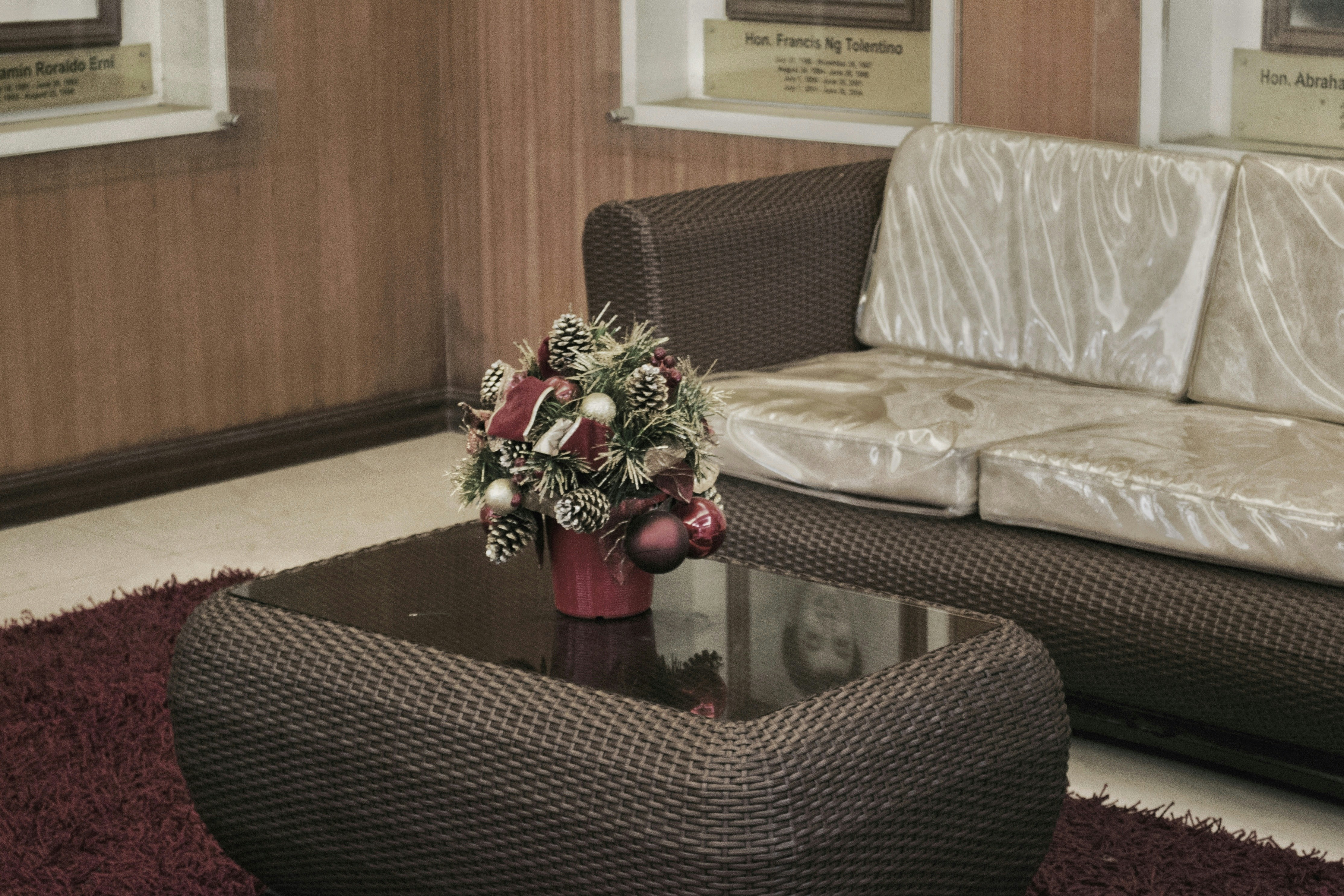
Introduction to DIY Furniture Decoration
The concept of DIY furniture decoration has gained significant traction in recent years, driven by a growing desire for personalized and creative home spaces. Individuals are increasingly turning to do-it-yourself methods to transform their furniture, allowing for unique expressions of style that may not be found in conventional retail offerings. This shift is not merely an aesthetic choice; it is also rooted in a practical approach to home improvement, which encompasses both cost savings and individual creativity.

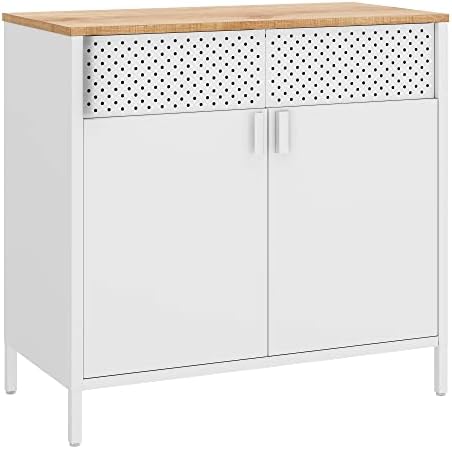
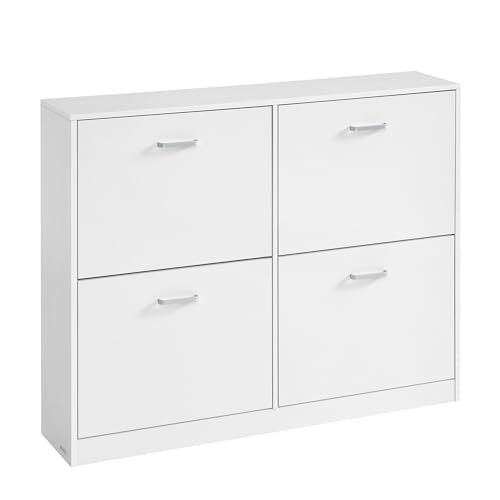



One major advantage of engaging in DIY furniture decoration is the potential for significant cost savings. Purchasing ready-made furniture can be expensive, particularly when looking for pieces that stand out or fit specific dimensions. By customizing existing furniture or creating new items from scratch, homeowners can achieve desired looks without straining their budgets. Additionally, DIY projects often utilize materials that can be sourced affordably or repurposed, further enhancing budget-friendly options.
Another essential benefit of DIY furniture decoration is the opportunity for personal expression. Each creation tells a unique story, reflecting the individual’s taste, personality, and lifestyle. Whether it is through painting, reupholstering, or constructing new pieces from reclaimed materials, DIY allows enthusiasts to apply their creativity in ways that simply cannot be replicated by mass-produced items.
Moreover, the incorporation of eco-friendly materials and sustainable practices is becoming a priority for many DIYers. As environmental awareness rises, the use of organic finishes, reclaimed wood, and non-toxic paints has surged in popularity. This commitment to sustainability not only contributes to a healthier home environment but also aligns with modern consumer values surrounding responsible consumption. As we delve deeper into this blog post, we will explore various DIY trends and techniques that exemplify the elegant and innovative possibilities in furniture decoration.
Essential Tools and Materials for DIY Projects
When embarking on a DIY furniture decoration project, having the right tools and materials is crucial to achieve satisfying results. These foundational items not only make the process smoother but also enhance the quality of the finished pieces.
Firstly, basic hand tools like paintbrushes, sanders, and saws form the backbone of any DIY toolkit. A variety of paintbrushes, including flat and angled options, are necessary for applying different types of paint and finishes. Sanding tools, whether manual or electric, are essential for smoothing surfaces and preparing them for painting or staining. Saws, specifically a hand saw or a circular saw, will allow for precise cuts on wood pieces, which is vital for creating custom furniture.
In addition to tools, a selection of raw materials is equally important. Paints and stains come in various formulations suitable for different surfaces, allowing for a spectrum of aesthetic choices. Latex or acrylic paints are popular options due to their ease of use and quick drying times, making them ideal for furniture. Meanwhile, wood stains offer a way to enhance the natural beauty of wood grains, bringing out depth and character.
Fabrics also play a significant role in DIY furniture decoration. Upholstery fabric, in particular, is essential for re-covering seats or cushions, providing comfort and style. Lastly, decorative items such as knobs, handles, and embellishments can add a personal touch to your projects, showcasing your creativity. Identifying these essential tools and materials prepares you for a successful journey into DIY furniture decoration, ensuring each project not only meets your expectations but reflects your unique design preferences.
Top DIY Furniture Ideas to Transform Your Space
Creating an elegant home can often be achieved through simple DIY furniture decoration projects that enhance the overall aesthetic. One impactful idea is to give an old side table a fresh look with paint. Selecting a bold color can invigorate space, while a classic white or soft pastel can contribute to a more airy and sophisticated atmosphere. This simple update can significantly transform the ambiance of a room, making a statement without overwhelming the existing decor.
Another compelling project involves upcycling an outdated dresser into a chic storage solution. By sanding down the surface and applying a rich stain or bright paint, you can breathe new life into the piece. Adding new hardware, such as elegant knobs or pulls, elevates the dresser’s appearance, creating a stylish focal point. This project not only enhances your room’s look but also increases the functionality of your furniture.
If you’re inclined towards woodworking, consider building custom shelves. This project allows for personalization, as you can choose the size, design, and finish that best suits your space. Floating shelves, for example, can be an elegant way to display books, plants, or decorative items. They add both style and practical storage solutions. Furthermore, the before-and-after transformation can be dramatic, shifting a bare wall into a visually appealing display area.
For those looking for a less permanent change, consider revamping chairs with new upholstery. Reupholstering provides an opportunity to introduce patterns and textures that complement your interior design. Choosing fabrics that harmonize with your decor while adding a pop of interest can refresh your seating and enhance comfort.
Utilizing these innovative DIY furniture ideas not only allows for creativity but also establishes a home environment that reflects individual style and elegance. By embracing projects that range from simple paint jobs to more extensive constructions, homeowners can achieve significant transformations that impact their living space positively.
Step-by-Step Guides for Popular DIY Projects
Undertaking DIY furniture projects can be both fulfilling and economical. Below are step-by-step guides for three popular DIY furniture projects that can add a personal touch to your home decor.
1. Upcycling a Wooden Pallet into a Coffee Table
To begin the upcycling process, gather materials such as a wooden pallet, sandpaper, wood stain or paint, and furniture legs. First, inspect the pallet for damages, ensuring it is sturdy and free of splinters. Sand down the surface to create a smooth finish, then apply wood stain or paint to your desired aesthetic, allowing it to dry completely. Next, attach furniture legs to the four corners of the pallet using screws, ensuring they are securely fastened. Take caution to balance the table appropriately, adjusting the length of the legs as required. The final step involves sealing the surface with a protective coat to enhance durability.
2. Transforming an Old Dresser into a Stylish TV Stand
Begin by removing any existing hardware and cleaning the dresser thoroughly. If necessary, repair any damages to ensure functionality. Sand the surface and apply a primer to create a smooth base for painting. Once the primer is dry, select a color that complements your room decor and apply at least two coats of paint. After the paint is dry, decide on the placement of your TV and ensure that the dresser can hold its weight. Rearrange the drawers, potentially removing some for a more open design. Finish by adding new hardware to modernize the look. This project provides a unique TV stand that enhances your living space.
3. Constructing a Floating Shelf
For this project, collect wooden boards, brackets, screws, and a drill. To start, determine the desired location for the shelf and outline the dimensions. Using a level, mark the wall where the brackets will be placed. Drill pilot holes and secure the brackets to the wall. Then, cut the wooden boards to size and sand the edges for a polished finish. Place the shelves on the brackets, ensuring they are straight and stable. As a final touch, consider decorating the shelf with books or decorative items. This floating shelf not only provides storage but also adds sophistication to any room.
Each of these projects presents unique challenges but also opportunities for creativity. Prior planning and a well-thought-out execution plan will enhance your chances of success, allowing you to achieve an elegant home that reflects your style.
Incorporating Eco-Friendly Practices in Your DIY Projects
In recent years, there has been a growing awareness of the importance of sustainability, particularly in the realm of home decoration. When embarking on DIY furniture projects, considering eco-friendly practices is not only beneficial for the environment but also enhances the comfort and aesthetic appeal of your living space. Choosing sustainable materials is a pivotal step in this process.
One effective method is sourcing materials that have minimal environmental impact. Seek out reclaimed wood, recycled metal, or eco-friendly fabrics. Local salvage yards and online marketplaces often have high-quality reclaimed materials available at reasonable prices. By choosing such sustainable options, you not only reduce waste but also contribute to the preservation of natural resources.
Another practice to consider is upcycling. This strategy involves transforming old furniture into new pieces through creative modifications. Instead of discarding worn-out items, you can give them a new lease on life by repainting, reupholstering, or simply rearranging their function within the home. Upcycling not only saves money but also reduces landfill waste by extending the lifecycle of existing materials.
Furthermore, when it comes to finishing touches, opting for low-VOC (volatile organic compounds) paints and finishes is essential. Traditional paints can release harmful chemicals into the air, adversely affecting indoor air quality. Low-VOC alternatives provide similar aesthetic results while ensuring a healthier home environment. Many eco-friendly paint brands offer an extensive array of colors, allowing you to express your unique style with minimal environmental impact.
By focusing on these eco-friendly practices in your DIY furniture decoration endeavors, you can contribute positively to both your home’s atmosphere and the planet’s health. Embracing sustainability in your projects not only enriches your living space but also reflects a commitment to responsible environmental stewardship.
Common Mistakes to Avoid in DIY Projects
Embarking on a DIY furniture decoration project can be both exciting and rewarding, yet it often comes with its own set of challenges. Many enthusiasts, regardless of their experience level, may encounter pitfalls that can hinder their progress and affect the quality of their work. Recognizing and avoiding these common mistakes can significantly improve the outcome of your projects.
One prevalent issue is inadequate preparation. Before starting any DIY endeavor, it is essential to develop a clear plan. This includes gathering the necessary tools, selecting appropriate materials, and drafting a step-by-step process. Skipping this foundational stage often leads to confusion and frustration during the execution of the project. Taking the time to prepare thoroughly can ensure a smoother experience and enhance the final result.
Additionally, poor material selection is another frequent mistake. Using inferior or incompatible materials not only affects the durability of the final product but may also compromise the overall aesthetics. Hence, it is crucial to research and choose high-quality materials that suit your project’s requirements. Utilizing resources such as product reviews and expert recommendations can help in making informed decisions regarding material choices.
Another common pitfall is the tendency to rush through the steps of a DIY project. While it may be tempting to expedite the process to see immediate results, this often leads to errors and a subpar finish. Allocate sufficient time for each phase, ensuring you apply the necessary techniques without haste. Allowing adequate drying times for paints and finishes is vital for achieving a professional look.
By being mindful of these common mistakes — inadequate preparation, poor material selection, and rushing through steps — DIY enthusiasts can enhance their furniture decoration projects. Taking the time to plan and execute each part with care will lead to more satisfying and elegant results in your home decor.
Inspiration from Social Media and Online Communities
In recent years, social media platforms and online communities have become invaluable resources for individuals seeking inspiration and guidance in DIY furniture decoration. Websites such as Instagram and Pinterest allow users to explore a vast array of innovative ideas and techniques. These platforms are replete with images and videos that showcase unique furniture transformations, providing endless opportunities for creativity. By following popular DIY accounts and hashtags, users can quickly access diverse styles, ranging from minimalist to bohemian decor, catering to various personal tastes.
On Pinterest, users can create boards to curate their favorite ideas and save them for future reference. This functionality aids in organizing one’s creativity, facilitating a more structured approach to furniture decoration projects. Moreover, the visual nature of Pinterest allows for easy exploration of current trends in DIY design, from upcycled materials to painted finishes. Engaging with these visual resources increases the likelihood of discovering lesser-known techniques or trends that can enhance home aesthetics.
Additionally, dedicated online DIY forums and Facebook groups provide platforms for enthusiasts to interact, share experiences, and seek advice. These communities foster collaboration, enabling members to ask questions and receive feedback on their projects. For instance, one could post images of a furniture piece in progress, allowing fellow DIYers to offer suggestions or improvements, thereby enriching the overall experience. Such interactive exchanges not only result in improved project outcomes but also create a sense of camaraderie among DIY enthusiasts.
In conclusion, utilizing social media platforms and online communities for DIY furniture decoration opens up a treasure trove of inspiration and knowledge. Engaging with these resources enhances the DIY experience and fosters connections that ultimately contribute to successful and elegant home decor projects.
Showcasing Your DIY Furniture – Photography and Styling Tips
Sharing your creative DIY furniture projects online not only celebrates your hard work but also inspires others to try their hand at similar endeavors. However, to truly showcase the beauty and uniqueness of your furniture, effective photography and styling are crucial. Start by considering optimal lighting; natural light is ideal for capturing the intricate details of your work. Position your furniture near a window during daylight hours to benefit from soft, diffused light. If shooting indoors, avoid harsh overhead lighting, as it can cast unflattering shadows.
Styling your DIY furniture properly also plays a significant role in the imagery’s impact. Consider the surrounding elements that enhance your furniture’s aesthetic. Add decorative items like books, plants, or art pieces to create an inviting atmosphere. When arranging these items, aim for balance without overcrowding the space, allowing the viewer’s eye to focus on your DIY masterpiece. Use contrast to make your furniture stand out; for example, if your creation is a light-colored piece, place it against a darker backdrop, and vice versa.
Additionally, experimenting with different angles can help highlight your DIY project’s best features. A low-angle shot can give a sense of grandeur, while close-up shots of intricate details can showcase your craftsmanship. Try to capture your furniture in context, as it would be used, allowing viewers to imagine it in their own homes. For those wishing to share their projects on social media platforms, consistency in style and color can create a cohesive look across your posts, making your DIY furniture not just a project, but a part of your personal brand.
Employing these photography and styling techniques will enhance the visual appeal of your DIY furniture and encourage viewers to appreciate the thought and effort behind each piece. Remember, the goal is to not just display your creations but to tell a story that invites others into your creative journey.
Conclusion: Your Journey in DIY Furniture Decoration
Embarking on a DIY furniture decoration journey is a rewarding endeavor that allows individuals to express their creativity while enhancing their living spaces. Throughout this blog post, we explored various techniques and ideas that can be employed to personalize furniture and create an elegant atmosphere within the home. By integrating unique elements, individuals can transform ordinary pieces into extraordinary focal points that reflect their personal style.
The essence of successful DIY furniture decoration lies in persistence. It is important to remember that not every project will turn out perfectly at first. The learning process is valuable, often leading to discoveries and innovative solutions that can further enhance your home. Whether it involves refinishing a wooden table, reupholstering chairs, or adding decorative accents, each step taken contributes to the overall aesthetic and warmth of your space.
Moreover, personalization plays a crucial role in the decoration process. The beauty of DIY projects is the ability to infuse furniture with personal significance, whether through color choices, textures, or patterns that resonate with the homeowner’s taste. This individuality not only elevates the furniture pieces but also fosters a deeper connection with the living environment, making it more meaningful.
As you embark on your own DIY furniture decoration projects, we invite you to embrace the creativity and freedom that this process offers. Share your own experiences, tips, and success stories in the comments section below. Such exchanges not only cultivate a community of like-minded individuals but also foster encouragement and support among DIY enthusiasts. Remember, your journey in DIY furniture decoration is uniquely yours, filled with possibilities and the joy of creation.