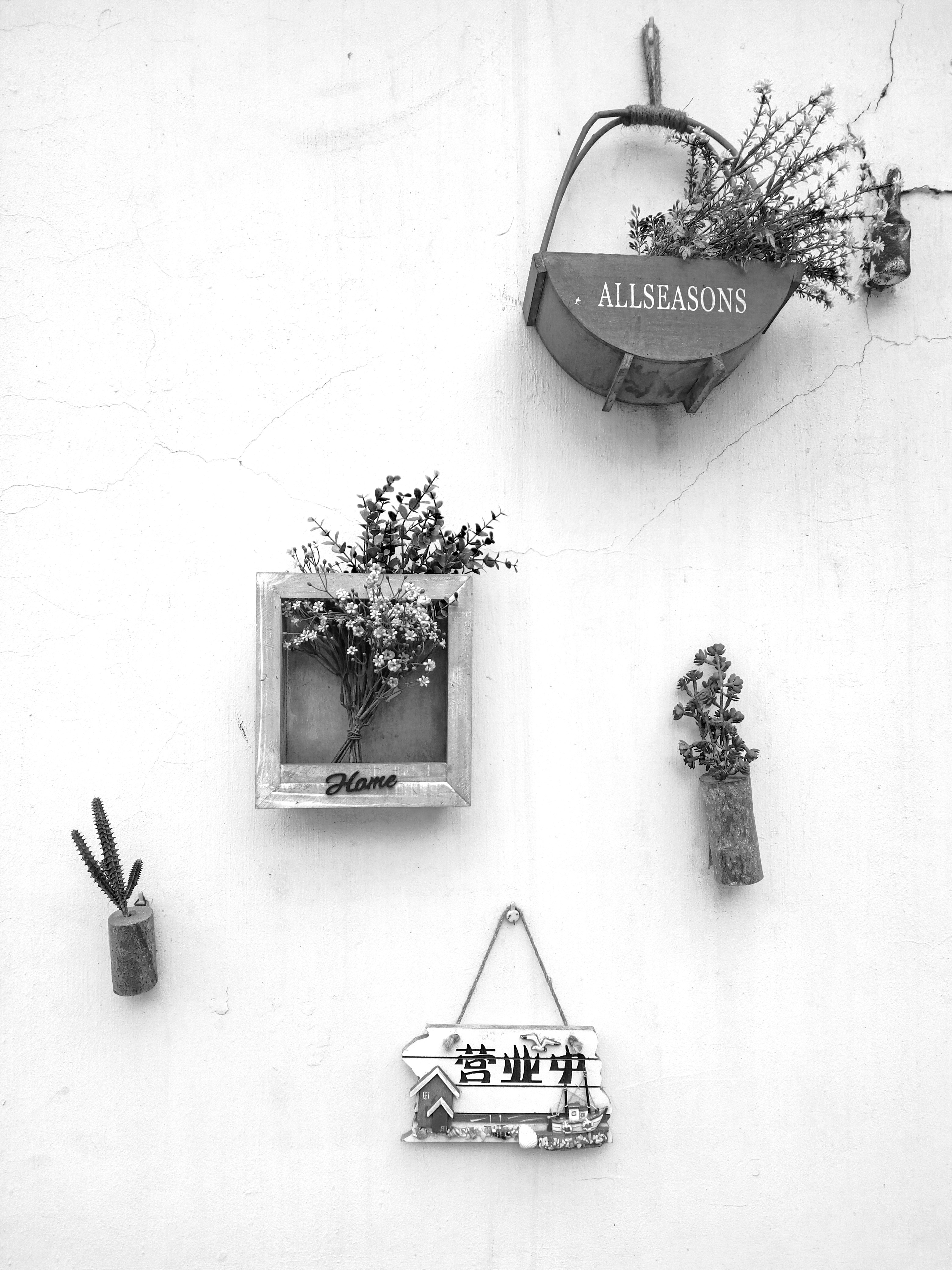
Introduction to DIY Home Decoration
In recent years, DIY home decoration has surged in popularity, becoming a favorite pastime for many homeowners and renters alike. This trend reflects a broader cultural shift towards personalization and self-expression within our living spaces. By taking on the challenge of DIY projects, individuals can create environments that not only reflect their taste but also tell their unique stories. The concept of DIY home decoration encompasses a variety of activities, from simple crafts to more complex renovations, allowing for a wide range of creativity and personal input.
The allure of DIY decoration lies in its cost-effectiveness. Traditional home improvement can often be prohibitively expensive, with professional services charging substantial amounts for even minor updates. In contrast, DIY projects provide an opportunity to utilize creativity and resourcefulness, often making use of materials that are readily available or repurposed from other items. This affordability makes it easier for anyone to engage in home transformation, regardless of budget constraints.
Furthermore, the personal touch that DIY decoration brings is unmatched. This hands-on approach enables individuals to customize each element of their home according to personal style and preferences. Whether it is hand-painted wall art, upcycled furniture, or homemade decorative accents, the options are virtually limitless. Each project becomes a statement piece—a representation of the maker’s vision—that standard store-bought decor might lack.
Finally, engaging in DIY home decoration can be deeply satisfying. The process of rolling up one’s sleeves to create something entirely new can foster a sense of accomplishment and joy. As individuals brainstorm, design, and execute their projects, they not only develop new skills but also invest time and effort into cultivating a space that is uniquely theirs. Embracing the DIY ethos can indeed transform a house into a home, imbued with character and charm that resonates with both the creator and their guests.
Understanding Your Space: Assessing Your Home’s Potential
Before embarking on your DIY decoration journey, it is essential to assess your current living space thoroughly. Start by walking through each room of your home, taking note of areas that feel underutilized or lack character. These spaces are prime candidates for transformation, allowing you to enhance both functionality and aesthetics through creative DIY projects.
Next, examine the existing color schemes within your home. Pay attention to the walls, furnishings, and decor. Are the colors harmonious, or do they create a disjointed feeling? Identifying any inconsistencies in color can help guide your decoration efforts. Consider refreshing a dull room with a new paint color or integrating accent pieces that introduce contrasting shades to invigorate the space. This transformation not only brightens your home but also creates a visual flow that can elevate the overall atmosphere.
As you assess your home’s potential, it is equally important to consider your personal style and how it can be reflected in your decoration choices. Think about what styles resonate with you—be it modern, rustic, eclectic, or minimalist. Incorporating your personal style into your DIY projects will not only make your home feel more inviting, but it will also create a unique identity that reflects who you are. Gather inspiration from magazines, online platforms, and even friends’ homes to see which ideas align with your vision.
By understanding your space and analyzing these key elements, you are well on your way to determining which areas of your home are ready for a DIY makeover. This thoughtful approach ensures that your decoration efforts are purposeful and aligned with both functionality and aesthetic appeal.
Gathering Inspiration: Where to Find DIY Ideas
Finding the right inspiration for your DIY decoration projects can significantly influence the outcome and satisfaction derived from your efforts. Various sources can serve as wellsprings of creativity, each offering its unique perspective and style. Social media platforms are among the most popular places to find innovative DIY ideas. Platforms such as Pinterest and Instagram are especially useful; they provide countless visual images that can spark creativity and transform mundane spaces into personalized havens. By exploring hashtags related to DIY home decor, users can discover fresh projects and diverse styles from communities around the world.
In addition to social media, home decor magazines remain a timeless resource for gathering ideas. These publications often feature articles that highlight current trends and showcase expertly styled spaces, providing readers with a plethora of beautiful visuals and professional insights. Browsing through these magazines can help identify elements that resonate with your aesthetic, which can then be adapted for your own projects. Many magazines also include DIY sections, offering step-by-step guides and beginner-friendly projects that can be particularly helpful for novice decorators.
DIY blogs are another excellent source of inspiration. They often encompass a more personal touch, as the authors share their own journeys, trials, and successes with a variety of decor projects. Engaging with these communities allows DIY enthusiasts to exchange tips and ideas while fostering a sense of camaraderie. Many bloggers curate lists of their favorite projects, making it easy to discover new styles and techniques that align with your taste.
Creating a vision board can be an instrumental step in organizing your gathered ideas. By compiling images, color palettes, textures, and materials that inspire you, the vision board serves to clarify your design intentions and streamline decision-making. This process not only fosters creativity but also establishes a clear direction for your DIY decoration journey.
Essential Tools and Materials for DIY Home Projects
Embarking on DIY home projects requires the right tools and materials to ensure smooth execution and quality results. Every DIY enthusiast should have a basic toolkit that serves as the backbone for various decoration endeavors. Begin by ensuring you have essential tools such as a measuring tape, level, utility knife, and a set of screwdrivers, including both flathead and Phillips designs. These tools are pivotal for accurate measurements and assembly tasks, providing a solid foundation for any project.
Additionally, a cordless drill or screwdriver is invaluable, facilitating quick and efficient fastening of screws in a multitude of surfaces. For cutting tasks, consider investing in a reliable handsaw or jigsaw, especially if your projects involve shaping wood or other materials. A hammer is another fundamental tool, serving various functions from driving nails to removing them. Don’t forget safety goggles and gloves; safety should always be a priority when engaging in home improvement projects.
Beyond basic tools, specific materials will often be required depending on the nature of your DIY decoration project. For wall art, ensure you have canvases, paint, or framing materials ready. Upholstery projects necessitate fabric, foam, and staple guns. Additionally, if you plan to undertake furniture renovation, sandpaper, wood stain, and sealant are crucial for achieving a polished finish. Other common materials might include adhesive, paintbrushes, and drop cloths to protect your workspace.
Stocking a well-organized workspace with these essential tools and materials will pave the way for a successful DIY experience. With the right equipment on hand, any project becomes manageable, inviting creativity and innovation into your home. Prepare to impress your guests with your newfound skills and transformed spaces!
Top 5 DIY Wall Decoration Ideas
Decorating your walls with a personal touch can significantly enhance the aesthetic of your home. Below, we explore five creative DIY wall decoration projects that are sure to impress your guests and transform your living space.
1. Gallery Wall: A gallery wall is an imaginative way to showcase your favorite artwork, photographs, or framed quotes. To create one, select a variety of frames in different shapes and sizes. Begin by laying them out on the floor to determine the perfect arrangement before transferring the design to the wall. Use a measuring tape to ensure proper spacing between frames, and secure them with nails or adhesive hooks. This customizable decor reflects your personality and offers an eye-catching focal point in any room.
2. Painted Accent Wall: A painted accent wall can dramatically change the ambiance of a space. Choose a bold color or a soothing shade that complements your existing decor. Start by preparing the wall: remove any furniture nearby and apply painter’s tape along the edges. Use a roller or brush to apply the paint evenly, and allow it to dry thoroughly before removing the tape. This simple project can breathe life into a room and creates a striking backdrop for any furnishings.
3. Fabric Wall Art: Transform a simple piece of fabric into a statement art piece. Choose a fabric with a vibrant pattern or a solid color that fits the decor theme. Cut the fabric to the desired size and stretch it over a canvas or a wooden frame. Secure it using a staple gun or adhesive. Hang this unique piece as an artistic representation of your style. This method is not only cost-effective but also allows for easy changes based on seasonal trends or personal preference.
4. Macramé Wall Hanging: Adding a macramé wall hanging brings a touch of bohemian charm to your decor. To create your own, you’ll need cotton cord, a wooden dowel, and scissors. Start by cutting the cord into equal lengths and attach them to the dowel using a lark’s knot. Follow online tutorials for various knotting techniques to achieve different patterns. This project takes patience but results in a stunning piece that adds texture and warmth to any wall.
5. Wall-mounted Shelves: Wall-mounted shelves are both functional and decorative. Use reclaimed wood or even bookcases that you can cut down to size. Secure brackets to the wall, and then place the shelves on top. These surfaces can be styled with plants, books, or decorative objects, contributing not only to the wall’s visual interest but also providing additional storage. This project is practical for maximizing space while showcasing your creativity.
Each of these DIY wall decoration ideas empowers you to personalize your home while making a lasting impression on visitors. From gallery walls to functional shelves, there’s a project suited for every skill level and design aesthetic.
Creating Unique Furniture and Decor Pieces
One of the most rewarding aspects of home decoration is the ability to create unique furniture and decor pieces that reflect your personal style. With a bit of imagination and some DIY techniques, you can transform ordinary items into extraordinary focal points for your living space. Upcycling is an ideal starting point for many DIY enthusiasts, allowing them to breathe new life into old furniture. For instance, a worn-out wooden chair can be sanded down and painted in vibrant colors, or even reupholstered with modern fabric to create a stunning statement piece.
In addition to refurbishing old items, many individuals enjoy the challenge of crafting new furniture pieces from scratch. Basic woodworking skills can lead to the creation of custom shelves, coffee tables, or even beds tailored to fit specific spaces and aesthetics. Utilizing reclaimed wood or sustainable materials can also add an eco-friendly element to your projects, making them not only creative but also environmentally conscious.
Another innovative approach is to incorporate unexpected items into your decor. For instance, using vintage suitcases as side tables or transforming an old ladder into a bookshelf can add character and charm. These unique ideas enhance the personalization of your home, ensuring that your decor stands out and impresses guests.
DIY projects allow for a broad range of creativity. Painting, stenciling, or decoupaging old furniture can create eye-catching surfaces that draw attention. In addition, incorporating natural elements, such as stones or plants, into your designs can bring a touch of nature indoors, making your space feel warm and inviting. Ultimately, the possibilities are endless when it comes to creating distinctive furniture and decor pieces that reflect your individual aesthetic.
Incorporating Nature: DIY Plant Decoration Ideas
One of the most effective strategies to elevate home decor is by incorporating plants, which not only enhance aesthetics but also improve air quality and create a refreshing atmosphere. DIY plant decoration ideas provide an opportunity to personalize your space while fostering a connection with nature. Here are some creative ways to integrate greenery into your home.
First, consider creating your own plant pots. This can be accomplished by repurposing everyday items such as tin cans, glass jars, or even old teacups. Painting these items or wrapping them with twine can add a charming touch. Ensure you drill drainage holes to prevent water accumulation, which can lead to root rot. Choose plants that suit the size of your pots, such as succulents for smaller containers or snake plants for larger ones, offering both variety and visual appeal.
Another exciting idea is to design a vertical garden. This creative option not only saves space but also turns an ordinary wall into a stunning green feature. You can use wooden pallets, gutters, or even hanging shoe organizers to create a vertical display. Fill each section with a variety of plants, such as fern, pothos, or herbs, which will thrive in upward arrangements. Make sure to consider sunlight exposure and water availability for each plant type.
Terrariums are yet another innovative approach to incorporating plants into your decor. These miniature ecosystems can be easily crafted using glass containers like fish bowls or mason jars. Layer pebbles for drainage, activated charcoal for filtration, and potting soil before adding your chosen plants. Mixing different species creates a unique visual display, while the closed environment helps maintain humidity, ensuring the plants flourish.
For the best results with your DIY plant decorations, remember to research care requirements specific to each plant type. Regularly check soil moisture, provide appropriate light conditions, and maintain optimal humidity levels. By thoughtfully integrating plants into your home decor, you can create a vibrant and inviting space that captivates your guests.
Lighting Up Your Space: DIY Lighting Solutions
Lighting plays an essential role in home decoration, influencing not only the functionality of a space but also its overall ambiance and aesthetic appeal. By transforming ordinary lighting fixtures into creative DIY projects, homeowners can enhance their living environments and leave a lasting impression on guests. Exploring various DIY lighting solutions can empower individuals to customize their home’s atmosphere while keeping costs manageable.
One popular DIY lighting project involves crafting unique lampshades. By repurposing materials such as fabric, paper, or even natural elements like twigs or leaves, homeowners can create personalized shades that reflect their individual style. For example, using a geometric pattern or vibrant colors can add a modern touch, while a vintage lace design may evoke a sense of nostalgia. Additionally, the shape and size of the lampshade can affect the quality and direction of light, thereby adding another layer of customization to the lighting ambiance.
String lights also provide a fantastic opportunity for DIY decoration, able to create an inviting atmosphere without a considerable financial investment. Their versatility allows for various usages, whether draping them across the ceiling, entwining them in garlands, or illuminating a cozy reading nook. Adding dimmer switches to these lights can further enhance control over their brightness, adapting the lighting to match different moods and occasions.
Another effective DIY lighting solution is the creation of illuminated wall art. By incorporating LED strips into artwork or framed photographs, homeowners can create a striking focal point that combines art and lighting. This method not only highlights personal creativity but also provides an engaging conversation starter for guests.
Ultimately, the implementation of DIY lighting solutions can significantly impact the overall atmosphere of a home, making it more inviting and stylish. By focusing on innovative projects such as unique lampshades, string lights, and illuminated artwork, homeowners can elevate their space and impress their visitors with a personalized design touch.
Final Touches: Accessories and Textiles
When it comes to home decoration, the importance of accessories and textiles cannot be overstated. These final touches play a crucial role in enhancing your DIY projects, providing warmth and character to any living space. Accessories such as decorative pillows, cozy rugs, and engaging wall art can transform a room from ordinary to extraordinary, making it welcoming to both residents and guests alike.
Pillows, for instance, are an easy and effective way to introduce color and texture into your decor. By choosing a variety of shapes, sizes, and patterns, you can create a layered look that adds depth to your furniture. Mixing prints, such as stripes with florals, can result in a vibrant and eclectic atmosphere. Moreover, it’s essential to consider the fabric type; materials like velvet offer a luxurious feel, while cotton is perfect for a casual, relaxed environment.
Rugs are another vital element in achieving a cohesive aesthetic. They define spaces and contribute to the overall ambience of a room. When selecting a rug, consider the color palette of your existing decor and choose something that complements the surrounding features. A plush area rug can add comfort underfoot, while a flatweave option may work better in high-traffic areas, ensuring durability without sacrificing style.
Wall art is perhaps one of the most personal elements in home decor, allowing you to showcase your personality and interests. Selecting art pieces that resonate with your life experiences can evoke a sense of belonging in your space. Consider creating a gallery wall filled with a mix of framed photographs, paintings, and unique art pieces that harmonize through shared color schemes or themes.
Ultimately, thoughtfully chosen accessories and textiles serve to refine your decor, making your DIY projects feel complete. By paying attention to these details, you not only elevate your home’s aesthetic but also create a space that reflects your individuality and invites guests to appreciate your creative style.