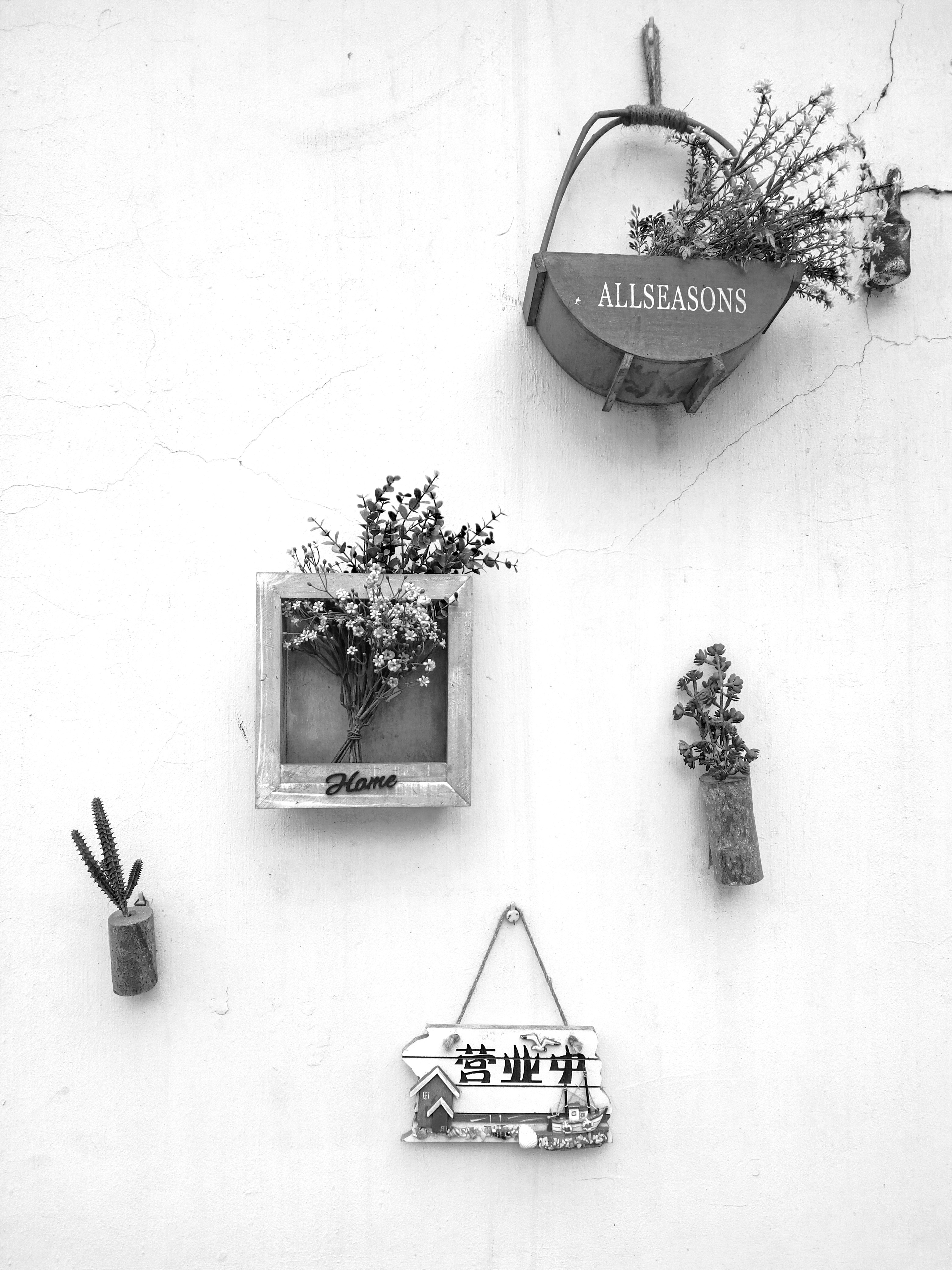
Introduction to DIY Home Decoration
DIY home decoration has gained significant traction in recent years, transforming not just individual living spaces but also the way homeowners approach interior design. The concept revolves around the idea of “do it yourself,” encouraging individuals to immerse themselves in the creative process of decorating their homes. As people seek to create personalized environments that reflect their unique tastes and preferences, the appeal of DIY decoration continues to flourish.
One of the primary advantages of engaging in DIY home decoration is the cost-effectiveness it offers. By opting to create, refurbish, or repurpose items rather than purchasing brand new decor, homeowners can significantly reduce expenses without sacrificing style or quality. Additionally, many popular DIY projects can be undertaken with minimal investment, making it an ideal choice for those on a budget.
Beyond financial benefits, there is an unparalleled satisfaction that comes from crafting something unique for one’s home. The act of creating allows individuals to express their personality and imagination, contributing to a space that feels distinctly their own. The sense of accomplishment that follows a successful DIY project can also enhance the overall enjoyment of one’s living environment, fostering a deeper connection between the homeowner and their home.
This blog post aims to explore various DIY decoration ideas that can cater to diverse styles and budgets. Whether you are looking for simple, cost-effective enhancements or more intricate designs, you will find inspiration that aligns with your vision. By embracing the world of DIY home decoration, you not only enrich your home but also embark on a creative journey that can provide lasting joy and fulfillment.
Setting a Budget: How Much to Spend on DIY Projects
Establishing a budget for your DIY home decoration projects is essential for ensuring you stay on track financially while achieving your design goals. The first step in setting a budget is evaluating the size of the space you wish to decorate. Larger spaces may require more materials and time, which can result in increased costs. Conversely, smaller areas can often be updated with fewer resources, making them budget-friendly options.
Next, consider the materials needed for your project. Research various suppliers to gather price estimates for items such as paint, fabric, or furniture. Keep in mind that the choice of materials can significantly impact your budget. For example, opting for high-quality items may require a larger financial commitment, whereas using second-hand materials or repurposing existing items can reduce costs. When assessing material costs, also factor in any additional items required, such as adhesive, hardware, or finishes, as these components can add to the overall expense.
Another crucial aspect of budgeting for DIY projects is evaluating the tools you’ll need. For some tasks, you may need to purchase tools that you do not already own. Alternatively, consider renting tools which may be more cost-effective, especially for one-time tasks. Always create a detailed list of required tools and materials to prevent overspending.
Lastly, prioritize your projects based on your budget constraints and personal preferences. Focus on the areas that will provide the most significant visual impact or that are in the most need of improvement. Creating a prioritized list can help you allocate your budget effectively, ensuring you achieve the desired results without straining your finances. This strategic approach to budgeting will enable you to enjoy your DIY projects while staying within your financial means.
Choosing a Decoration Style: From Rustic to Modern
When embarking on a DIY home decoration project, one of the first steps is selecting a style that resonates with your personal taste while complementing your existing decor. There are several popular decoration styles, each with its unique characteristics that can enhance the ambiance of your home. Among these, rustic, minimalistic, bohemian, and industrial designs stand out due to their versatility and charm.
The rustic style evokes a sense of warmth and coziness, featuring natural materials such as wood and stone. To achieve this aesthetic, consider creating wooden wall shelves or crafting a rustic coffee table using reclaimed wood. The beauty of rustic decoration lies in its imperfections, making each DIY project uniquely yours.
In contrast, minimalistic decoration centers around simplicity and functionality. This style calls for a decluttered approach, where each piece serves a specific purpose. For instance, a DIY wall-mounted coat rack made from a single piece of wood can contribute to a clean and organized entryway. Embrace neutral colors and geometric shapes to achieve a streamlined look that reflects calmness and order.
For those drawn to vibrant colors and patterns, the bohemian style provides an excellent canvas for creativity. Incorporate textiles with bold prints or create DIY wall art using various fabric swatches. Bohemian decor often incorporates an eclectic mix of elements, allowing for personal expression through accessories, which can include handmade dreamcatchers or mandala paintings.
Lastly, industrial decor draws inspiration from urban environments, showcasing raw materials like metals and exposed brick. A DIY project could involve constructing a metal accent table or using pipes to create open shelving. The industrial style emphasizes a utilitarian aesthetic paired with artistic flair, making it appealing for modern homes.
Ultimately, the choice of decoration style should reflect your personality while harmonizing with your space. With thoughtful consideration and creativity, DIY projects can transform your home, creating an environment that is truly representative of you.
Cost-Effective DIY Materials: Where to Find Them
When embarking on a budget-friendly DIY decoration project, sourcing affordable materials is paramount to achieving stunning results without overspending. Several avenues offer cost-effective solutions for DIY enthusiasts. Thrift stores, for example, are treasure troves filled with unique items, ranging from vintage furniture to decorative accessories, often at a fraction of their original price. Shopping at these locations not only supports sustainable practices by giving pre-loved items a second life but also allows for creativity in reimagining their use in your home.
Dollar stores represent another fantastic option for budget-conscious decorators. They typically stock a wide range of materials, from basic crafting supplies to seasonal decorations, making them ideal for DIY projects. Many items available at dollar stores can be transformed with a little bit of creativity and effort, further stretching one’s decorating budget.
Online marketplaces also offer significant opportunities for finding affordable DIY materials. Websites like Facebook Marketplace, Craigslist, and other local buy-sell-trade groups often list items at low prices, and it is not uncommon to find bulk lots or entire estate sell-offs. Furthermore, these platforms allow for the purchasing of second-hand materials, which can be repurposed to achieve a unique look that reflects personal style.
Thinking beyond traditional materials can also lead to remarkable transformations. Repurposing items, such as pallets, old furniture, or glass jars, can result in innovative decor pieces. For instance, pallets can be reconstructed into shelves, coffee tables, or garden planters, requiring only minimal investment and some basic tools. Similarly, old furniture can be updated with paint, new hardware, or creative upcycling techniques to suit contemporary aesthetics.
The key is to allow creativity to guide material sourcing, consistently looking for opportunities to repurpose and refresh existing resources. By doing so, you not only maintain control over budget constraints but also contribute to creating a unique home environment that truly reflects your personal style.
Simple DIY Projects to Transform Your Space
Elevating your home decor while adhering to a budget can be a fulfilling endeavor, especially through simple DIY projects that allow creativity to flourish without straining your finances. These projects, ideal for beginners, can transform your living spaces into personalized havens that reflect your style.
One effective way to enhance your home is by creating custom wall art. To begin this project, gather materials such as canvases, paint, and brushes. Start by choosing a color palette that complements your existing decor. Layering different colors and techniques can produce unique designs. For instance, you can use a sponge to create textures or embrace a minimalist approach with geometric shapes. Once dried, these artworks can be hung at varying heights to evoke interest and depth.
Another exciting project is refurbishing old furniture. A simple coat of paint or stain can breathe new life into tired pieces. Begin by selecting a piece of furniture that needs updating, such as a side table or a chair. Sand the surface to ensure proper adhesion of paint, and then apply primer before painting in the desired color. Consider adding hardware upgrades, like new knobs or pulls, to further enhance the look. This process can not only rejuvenate your decor but also become a platform for expressing your aesthetic preferences.
Finally, crafting decorative storage solutions can minimize clutter while maximizing style. Consider creating decorative storage boxes using sturdy cardboard or wooden crates. Paint or cover these in beautiful fabric to align with your home’s theme. Labeling them will provide an organized and visually appealing means of storage, allowing you to maintain a neat environment effortlessly. These simple DIY projects prove that stylish home decor is accessible, even for those on a budget.
Adding Personal Touches: Customizing Your Decor
In the realm of home decoration, personalization plays a pivotal role in transforming a house into a home. By incorporating personal touches into DIY decoration projects, one can significantly enhance the overall aesthetic and create a unique atmosphere reflective of individual style and preferences. These modifications go beyond mere aesthetics; they infuse spaces with warmth and character, making them inviting and comforting.
One impactful way to customize your decor is through the use of personal photographs. Framing cherished memories and incorporating them into your design scheme can evoke emotions and provide conversation starters for guests. Consider creating a gallery wall where a collection of photos, artwork, and decorative elements coexist to create a stunning visual display. This arrangement not only personalizes the space but also celebrates significant moments in life, anchoring the decor to heartfelt memories.
Another technique is to select unique color palettes that resonate with your personality. While you may adhere to current trends, choosing colors that evoke certain emotions or remind you of special experiences can create an atmosphere that is both harmonious and authentic. Play with shades that inspire creativity and calmness or those that energize the space; ultimately, the choice lies in what makes you feel most at home.
Incorporating handmade items is another avenue to express individuality in your space. Crafting your decorations like pottery, knitted items, or even artwork can imbue your home with unique character. Not to mention, these creations often hold sentimental value, further enhancing the personal connection to your decor. Allowing your creativity to shine not only benefits your surroundings but also serves as a fulfilling endeavor that enriches your life.
By integrating personal touches through photographs, color choices, and handmade items, your DIY decoration efforts can lead to a space that is undeniably your own. This customization not only distinguishes your home from others but also nurtures a sense of pride and belonging within your living environment.
Incorporating Sustainable Practices in DIY Decoration
In an era where environmental consciousness is increasingly paramount, incorporating sustainable practices into DIY decoration projects not only benefits the planet but also offers a cost-effective alternative to traditional decoration methods. Utilizing eco-friendly materials, upcycling, and recycling enables homeowners to create unique and charming decor while minimizing their ecological footprint.
One of the primary ways to embrace sustainability in DIY decoration is through the use of eco-friendly materials. These may include reclaimed wood, bamboo, or non-toxic paint. Such materials not only contribute to a healthier indoor environment but also reduce waste and dependency on new resources. For example, reclaimed wood can be transformed into stunning wall art or furniture pieces that tell a story of their previous life, adding character to your home.
Upcycling, the process of converting waste materials into new products, is an essential aspect of sustainable DIY projects. By reimagining items that may otherwise contribute to landfill waste, individuals can create beautiful home decor at minimal costs. For instance, old glass jars can be repurposed into stylish candle holders or vases, while worn-out chests of drawers can be revamped into vintage-inspired shelving units. These upcycling initiatives not only result in cost savings but also inspire creativity and innovation in home decoration.
Recycling is another effective way to practice sustainability in DIY projects. Crafting with recycled materials encourages individuals to think outside the box and can lead to one-of-a-kind creations. Projects such as creating wall art from discarded magazines or turning bottle caps into unique coasters exemplify the versatility of recycled items. The environmental benefits are significant, as recycling reduces waste and conserves natural resources, reinforcing the importance of responsible consumption.
By integrating sustainable practices in DIY decoration, individuals can enjoy a dual advantage: enhancing their home while contributing to a healthier planet. These eco-friendly approaches not only yield impressive results but also encourage a mindful lifestyle that aligns with contemporary values.
Maintaining Your DIY Creations: Tips for Longevity
Crafting DIY decorations allows for unique personalization of your space while adhering to budget constraints. However, the longevity of these creations depends greatly on proper maintenance and care. Regular cleaning is paramount, as dust and grime can accumulate over time, dulling the aesthetic appeal of your handiwork. Depending on the materials used, employing a soft cloth or duster can effectively remove debris without causing damage. For painted or varnished surfaces, a damp cloth with mild detergent will typically serve well.
In addition to routine cleaning, applying protective coatings can significantly enhance the lifespan of your DIY decorations. For items exposed to moisture or varying temperatures, consider using waterproof sealants or clear varnishes designed to protect wood, fabric, or paper materials. These coatings not only safeguard against external elements but also resist fading and wear caused by sunlight and occasional mishandling. It is crucial to select a protective product that is compatible with the material of your DIY decoration to ensure optimal results.
Storage also plays a critical role in the preservation of your creations. If you anticipate storing your decorations during off-seasons or when not in use, consider investing in storage solutions that minimize exposure to dust and sunlight. Clear plastic containers with airtight seals can be ideal for items made from fragile materials or those prone to moisture damage. Furthermore, when storing decorations of varying sizes and shapes, wrapping each item in acid-free tissue paper can prevent scratches and breakage, ensuring they remain in pristine condition until their next display.
Ultimately, prioritizing quality craftsmanship, even in budget-friendly projects, contributes to the overall durability and impact of your DIY decorations. By following these maintenance tips, you can enjoy your creations for years to come.
Showcasing Your DIY Decor: Sharing with the Community
One of the most rewarding aspects of embarking on a DIY decoration project is the opportunity to share your completed work with others. By showcasing your DIY decor, you not only celebrate your hard work and creativity but also inspire those around you. Friends, family, and online communities can provide valuable feedback, support, and ideas, fostering a spirit of collaboration that enriches the DIY experience.
Social media platforms are ideal for sharing your projects. Websites like Instagram, Pinterest, and Facebook allow users to post images of their creations, along with descriptions of the materials and processes used. By using specific hashtags related to DIY decoration, you can reach a wider audience and connect with fellow DIY enthusiasts who may offer tips or ideas based on their own experiences. Additionally, platforms such as Reddit and DIY-centered forums provide spaces where you can engage in discussions, ask for advice, and share tutorials with a community that shares your passion.
By inviting feedback on your projects, you create an avenue for constructive criticism that can enhance your decorating skills. This interaction not only helps you improve but also builds a network of like-minded individuals who encourage each other. The support of such a community can be particularly beneficial when faced with challenges during a project, providing motivation and varied perspectives that can lead to innovative solutions.
Furthermore, visual storytelling can ignite inspiration in others. Addressing different styles of DIY decor opens up avenues for diverse interests, leading many to explore ideas they may not have considered initially. Whether it is a unique upcycled piece, seasonal decor, or a room transformation, sharing your projects can initiate dialogues that fuel creativity and innovation in the DIY decoration space.