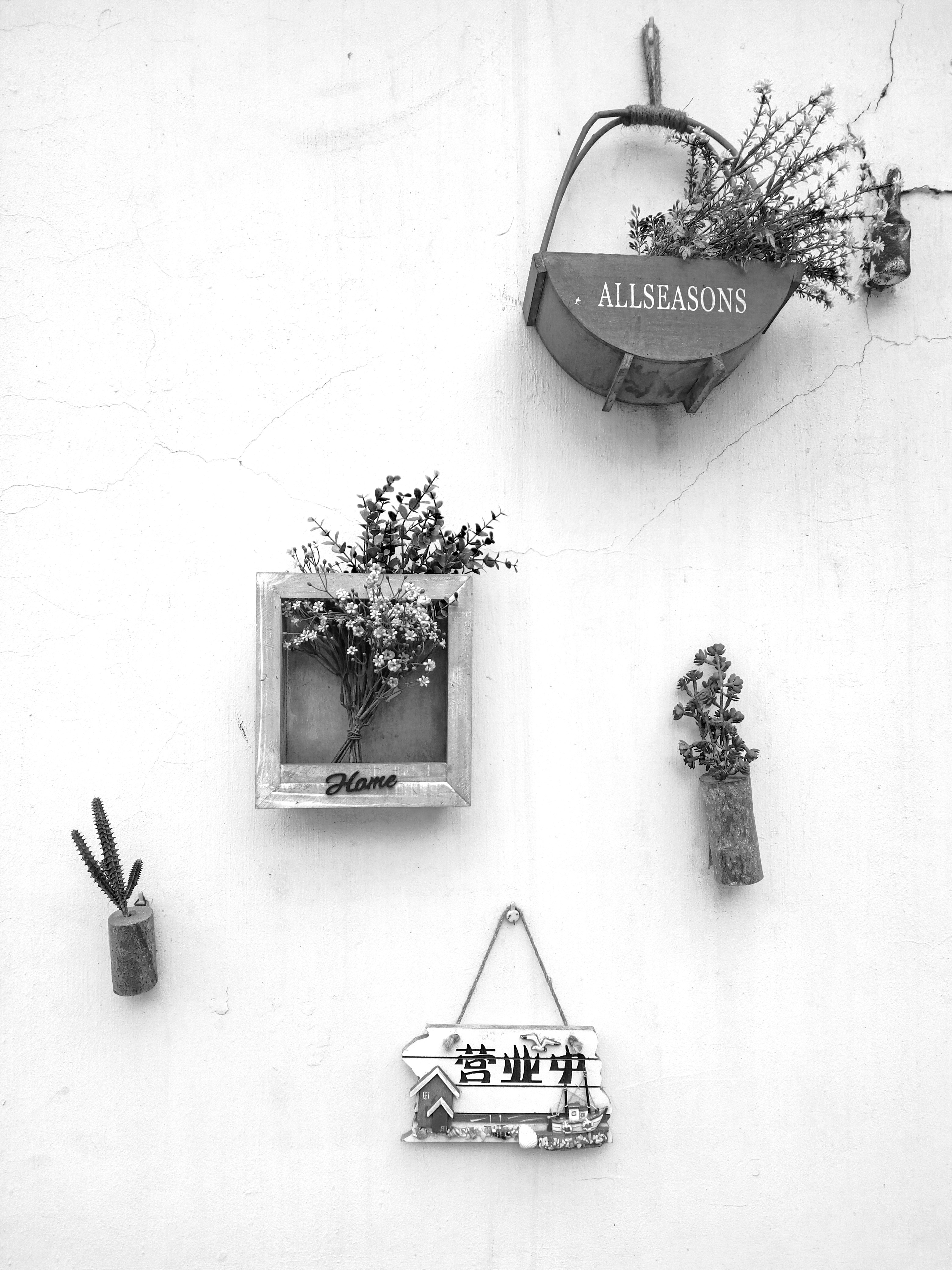
Introduction to DIY Home Decor
In recent years, the trend of DIY (Do It Yourself) home decor has gained tremendous popularity among homeowners and renters alike. The appeal lies in the ability to enhance personal living spaces without incurring excessive expenses. By opting for budget-friendly DIY projects, individuals can express their creativity while simultaneously making their homes feel more inviting and unique. This approach to home decoration not only allows for customization but also fosters a sense of achievement as one sees their vision come to life.
One of the most significant advantages of DIY home decor is the financial benefit it offers. Many people believe that achieving a beautifully decorated space requires a hefty budget. However, with the right mindset and enthusiasm, it is possible to transform a home on a modest budget. DIY projects often utilize repurposed materials, inexpensive supplies, or items already available at home. This resourcefulness not only cuts costs but also encourages sustainable practices, as it often involves recycling and upcycling.
Additionally, engaging in DIY home decor can be a gratifying experience that promotes mindfulness and relaxation. The process of creating something from scratch or revamping existing items can provide a welcome respite from the stresses of daily life. It allows individuals to immerse themselves in a creative outlet, ultimately resulting in a thriving and personalized environment that reflects their personal style and preferences.
In this blog post, we will explore nine budget-friendly DIY decor ideas that can significantly elevate the aesthetic of your home. These projects are designed to inspire your creativity, encourage personal expression, and demonstrate that impactful changes can come without a hefty price tag. Let us embark on this journey of transforming our living spaces with meaningful, cost-effective, and enjoyable DIY endeavors.
Understanding Your Space: Choosing the Right Decoration Style
When embarking on a home decor project, the first step is to understand the decor styles that resonate with your personal taste and fit harmoniously within your living space. Various styles, including modern, bohemian, rustic, and minimalist, offer unique characteristics and appeal. Taking the time to evaluate these styles can significantly enhance the overall atmosphere of your home.
The modern decor style emphasizes simplicity, clean lines, and a neutral color palette. If your home features contemporary architecture, embracing this aesthetic can provide a cohesive and refreshing environment. Incorporate geometric shapes and functional furniture to complement the vast, uncluttered spaces typically associated with modern designs.
In contrast, the bohemian style offers a more eclectic approach. Characterized by vibrant colors, intriguing patterns, and an abundance of textures, this style allows for greater creativity and personalization. If you have a space that accommodates numerous decorative items and a variety of colors, bohemian decor can bring warmth and personality to your home.
Rustic decor, often marked by natural materials such as wood and stone, fosters a sense of coziness and warmth. This style is particularly well-suited for homes that incorporate traditional or farmhouse elements. When selecting rustic decorations, consider earthy tones and handmade items that reflect craftsmanship and authenticity.
Meanwhile, minimalism encourages a “less is more” philosophy. This approach is ideal for smaller spaces, where maximizing functionality while maintaining an airy feel is crucial. Opt for neutral colors, streamlined furniture, and strategic decor placement to prevent overcrowding, focusing on quality over quantity.
To effectively assess your space, take note of the existing architecture, size, and layout, which should guide your choices in colors, patterns, and themes. By aligning your decorative elements with your home’s structure, you can achieve a cohesive design that reflects your personality while enhancing the overall aesthetic appeal. This thoughtful process is essential in transforming your home into a space that you truly love.
Budgeting Your DIY Projects: Costs and Considerations
When embarking on DIY decor projects, it is crucial to establish a well-thought-out budget to ensure that expenses remain manageable. A successful DIY venture often begins with a clear understanding of the potential costs involved, including materials, tools, and any unforeseen expenses that may arise during the process. Without a budget, costs can easily spiral out of control, leaving the project unfinished and potentially causing financial strain.
To effectively budget for your DIY decor projects, start by researching the materials required for each project. Consider creating a list that outlines the necessary items and their estimated costs. Prices can vary significantly depending on whether you choose to purchase new materials, shop second-hand, or repurpose items you already possess. For instance, a simple project like creating a gallery wall might only require paint, picture frames, and wall hooks, while a more ambitious endeavor, such as building furniture, might demand additional tools like saws and drills.
It is also prudent to allocate a portion of your budget for unexpected expenses. Often, DIY projects reveal additional needs as you progress, such as extra paint or hardware. By anticipating these costs, you can avoid financial hiccups during your decor transformation. Additionally, comparing costs associated with various types of projects can help prioritize which endeavors offer the most value. Smaller projects, such as refinishing a table or updating light fixtures, may yield a high impact for relatively low investment, making them ideal candidates for budget consideration.
Ultimately, careful budgeting not only aids in achieving your desired aesthetic but also ensures a satisfying and financially sustainable home improvement experience. Balancing costs and creativity will enable you to transform your home while remaining within your budgetary constraints.
Essential Tools Every DIY Decorator Should Have
Embarking on a DIY decor project can be both exciting and daunting. Having the right tools at your disposal ensures that the process is smooth and enjoyable. When considering essential tools for home decor projects, it is helpful to categorize them into three levels: basic, intermediate, and advanced. This structure enables you to build your toolkit progressively, accommodating a variety of projects and budgets.
Starting with basic tools, every DIY decorator should consider investing in a few key items. A reliable tape measure, a set of screwdrivers (both flathead and Phillips), a hammer, and a utility knife can cover a multitude of tasks, from hanging artwork to assembling furniture. Additionally, having a sturdy pair of scissors and a hot glue gun can prove invaluable for various crafting projects. Many of these items can be found at local hardware stores or discount retailers, making them both affordable and accessible.
As your skill level advances, you might find the need for intermediate tools. A power drill is particularly useful for creating holes for screws and anchors, making it easier to hang larger decor pieces or furniture. A level ensures that your installations are straight, while a cutting mat can aid precision when working on intricate designs or fabrics. These tools can often be sourced from second-hand stores or online marketplaces, providing budget-friendly options for those eager to elevate their DIY game.
Lastly, for the advanced DIY decorator, investing in tools like a miter saw or a nail gun can significantly enhance the quality of your projects. These items can help create professional-looking furniture and decor, but they should be considered only after gaining some experience with the basics and intermediates. Hardware rental locations can serve as an economical alternative for these higher-end tools, allowing decorators to complete ambitious projects without a hefty investment.
In summary, a comprehensive collection of essential tools categorically organized into basic, intermediate, and advanced levels not only empowers DIY home decorators but also encourages creativity and innovation within budget constraints. By investing in the right tools, tackling a range of projects becomes a manageable and rewarding endeavor.
5 Simple DIY Decor Projects to Get You Started
Transforming your home doesn’t have to be an expensive endeavor; you can make significant changes using budget-friendly DIY decor projects. Below are five beginner-friendly projects that not only demonstrate ease but also offer a chance to personalize your spaces while utilizing simple materials.
1. Wall Art: Create unique wall art by framing fabric or wallpaper samples. Simply cut the fabric to fit inside a frame, ensuring that the pattern showcases your style. Cost: Approximately $20 for materials. This project allows you to express your personality without the need for complex art skills.
2. Decorative Pillows: A great way to refresh your living space is by making decorative pillows. You can sew or even no-sew methods using fabric glue. Purchase fabric that complements your current decor, cut it to size, and sew or glue the edges. Cost: About $15 per pillow, depending on the fabric choice.
3. Plant Holders: Bring nature indoors with homemade plant holders. You can utilize macramé techniques or simple wooden boxes; both options make striking additions to any room. For a macramé holder, you’ll need cord and a planter; estimated cost is approximately $10.
4. Reupholstering Furniture: Give old furniture new life with a reupholstering project. Use new fabric to cover chairs or cushions, creating a fresh look at a fraction of the cost of new furniture. Basic upholstery materials could cost around $50.
5. Gallery Wall: Curate a gallery wall using a collection of photos, art pieces, and decorative items. Start by laying out your design on the floor before hanging to get the arrangement right. The cost can vary substantially, but using existing frames and prints can keep it around $30.
Each of these projects highlights how simple materials and a bit of creativity can make a significant impact on your home decor. They are budget-friendly and adaptable, encouraging you to create a space that reflects your style without breaking the bank.
Upcycling Furniture: How to Give Old Pieces New Life
Upcycling furniture is an innovative and resourceful way to breathe new life into outdated or worn pieces. This creative practice not only revitalizes furniture but can also significantly enhance the aesthetic appeal of your home without straining your budget. The process of upcycling involves various techniques such as painting, sanding, and reupholstering, allowing individuals to transform furniture that might otherwise be discarded into unique and stylish statement items.
One popular technique is painting. A fresh coat of paint can completely change the look of a piece, turning dated wood into a chic, modern item. When choosing paint, opt for environmentally friendly options that reduce harmful emissions and are safe for indoor use. Additionally, experimenting with different finishes, such as matte or glossy, can contribute to the overall character of the piece. Sanding is another essential technique that can revitalize worn surfaces and give them a new texture. It also prepares the furniture for paint or stain applications, ensuring better adhesion and a more polished outcome.
Reupholstering is the ultimate way to refresh old chairs or sofas. This process allows for the introduction of modern fabrics and patterns, making the furniture a focal point in your home. This step may require a bit more skill, but there are numerous online tutorials available that guide beginners through the process. To keep costs low, consider sourcing old furniture from local thrift stores, garage sales, or even online marketplaces where unwanted items are frequently listed at bargain prices.
Engaging in upcycling not only contributes to personal style but also fosters sustainability. By choosing to breathe life into old furniture, you reduce waste and minimize your ecological footprint, making a positive impact on the environment. This combination of creativity and conscientiousness makes upcycling a truly valuable endeavor for any homeowner looking to enhance their living space.
Seasonal DIY Decor Ideas to Refresh Your Space
Transforming your home through seasonal DIY decor is a delightful way to maintain an inviting and vibrant atmosphere throughout the year. Each season offers unique opportunities to refresh your space, incorporating elements that reflect nature’s changes while also providing a cost-effective means of reinvigorating your decor. By utilizing approachable DIY projects, any homeowner can effortlessly adapt their living spaces to align with the seasonal aesthetics.
In spring, consider creating a cheerful atmosphere with floral-themed decorations. You can make your own flower arrangements using artificial blooms or even dried flowers. These arrangements can be placed in repurposed containers, like mason jars or vintage teacups, to add a rustic charm. Additionally, crafting a vibrant spring wreath made from natural materials such as twigs and fresh greenery can provide an immediate sense of renewal to your front door.
Moving into summer, embrace the light and airy vibes by incorporating bright colors and coastal themes. Handmade wall hangings, utilizing natural fibers or driftwood, can evoke a beachy feel. Use painted wooden pallets to create a decorative backdrop for outdoor gatherings, or repurpose glass jars into lanterns, filled with LED candles, to enhance the ambiance of your patio during warm summer evenings.
As autumn unfolds, introduce warm tones and natural textures into your home. Create DIY centerpieces using seasonal items like pumpkins, gourds, or colorful leaves. Simple projects, such as painting pumpkins in stylish colors or making garlands from dried corn husks, can provide an effortless fall transformation. These decor updates not only enhance your home’s aesthetic but also provide a wonderful opportunity to engage in crafts with family and friends.
Finally, winter invites a cozy and festive feel. DIY projects such as making personalized ornaments, creating holiday-themed table settings, or even constructing a warm, inviting quilt can transform your space beautifully. Consider incorporating natural elements like pinecones or evergreen branches to add a touch of nature to your indoor winter decor.
Regularly updating your decor in line with the seasons fosters a refreshed home environment that can be both pleasing and economical. Embracing these simple and engaging DIY decor ideas allows for creativity while keeping your budget intact, making your home continually inviting and aesthetically pleasing throughout the year.
Creating Ambiance with DIY Lighting Solutions
Lighting plays a crucial role in shaping the ambiance of any room, influencing not only visibility but also mood and atmosphere. The right lighting can create warmth, promote relaxation, or enhance productivity, depending on the space’s purpose. When it comes to budget-friendly home decor, DIY lighting solutions offer an excellent avenue for personalization and creativity, allowing you to achieve a unique style without straining your wallet.
There are various types of lighting to consider when embarking on your DIY lighting project. Ambient lighting serves as the primary source of illumination, providing general brightness to a room. Task lighting focuses on specific areas, such as a desk or kitchen countertop, to aid in activities like reading or cooking. Accent lighting highlights certain elements within a space, such as artwork or architectural features, adding depth and interest. Understanding these types of lighting can help you effectively integrate them into your decor, enhancing both aesthetics and functionality.
One popular DIY lighting solution involves creating your own lampshades. This project can range from simple fabric coverings to intricate paper designs, offering a personal touch that commercial products may lack. Additionally, using string lights creatively can instantly elevate any space. By draping them over furniture or along walls, you can achieve a whimsical atmosphere, perfect for cozy evenings or festive occasions. These string lights are versatile and can be found at low costs, fitting various budgets while adding an inviting glow.
Integrating DIY light fixtures into your home decor is not only cost-effective but also allows for the customization of styles, whether you prefer minimalistic, rustic, or contemporary designs. With a bit of creativity and resourcefulness, these DIY lighting solutions can significantly transform your living space, reflecting your personal taste while providing functional illumination.
Conclusion: Empowering Your Home with DIY Decor
In contemporary home improvement discussions, DIY decor emerges as a transformative approach that resonates with many individuals seeking to enhance their living spaces. Throughout this blog post, we have explored several budget-friendly DIY decor ideas, emphasizing how simple, creative solutions can significantly impact the overall aesthetics of your home. The featured concepts highlight that one does not need to invest heavily to achieve an inviting and personalized atmosphere.
Engaging in DIY projects allows homeowners to tailor their decor to their preferences, fostering an environment that truly reflects their individual taste. Whether it involves upcycling furniture, crafting unique wall art, or implementing clever storage solutions, each project serves as an opportunity to instill a sense of pride and ownership within one’s home. Moreover, embracing the DIY spirit challenges individuals to think creatively and problem-solve, leading to enhanced skills and newfound confidence in home improvement endeavors.
Financial considerations also play a crucial role in promoting DIY home decor. By opting for do-it-yourself solutions rather than store-bought items, homeowners can significantly cut costs while simultaneously enriching their spaces. This approach not only saves money but also reduces the environmental footprint, aligning with increasingly popular sustainable living practices. The combination of creativity and cost-effectiveness ultimately empowers individuals to curate their own unique living environment without unnecessary financial strain.
In conclusion, DIY decor represents more than just a trend; it is a gratifying journey that enables homeowners to transform their spaces in meaningful ways. By actively participating in the decorating process, individuals can infuse their homes with personal touches that enhance both aesthetics and ambiance. We encourage readers to embrace the myriad of possibilities and take pride in the transformations they can achieve through DIY projects. Your home deserves your creative touch; embark on this fulfilling journey today.