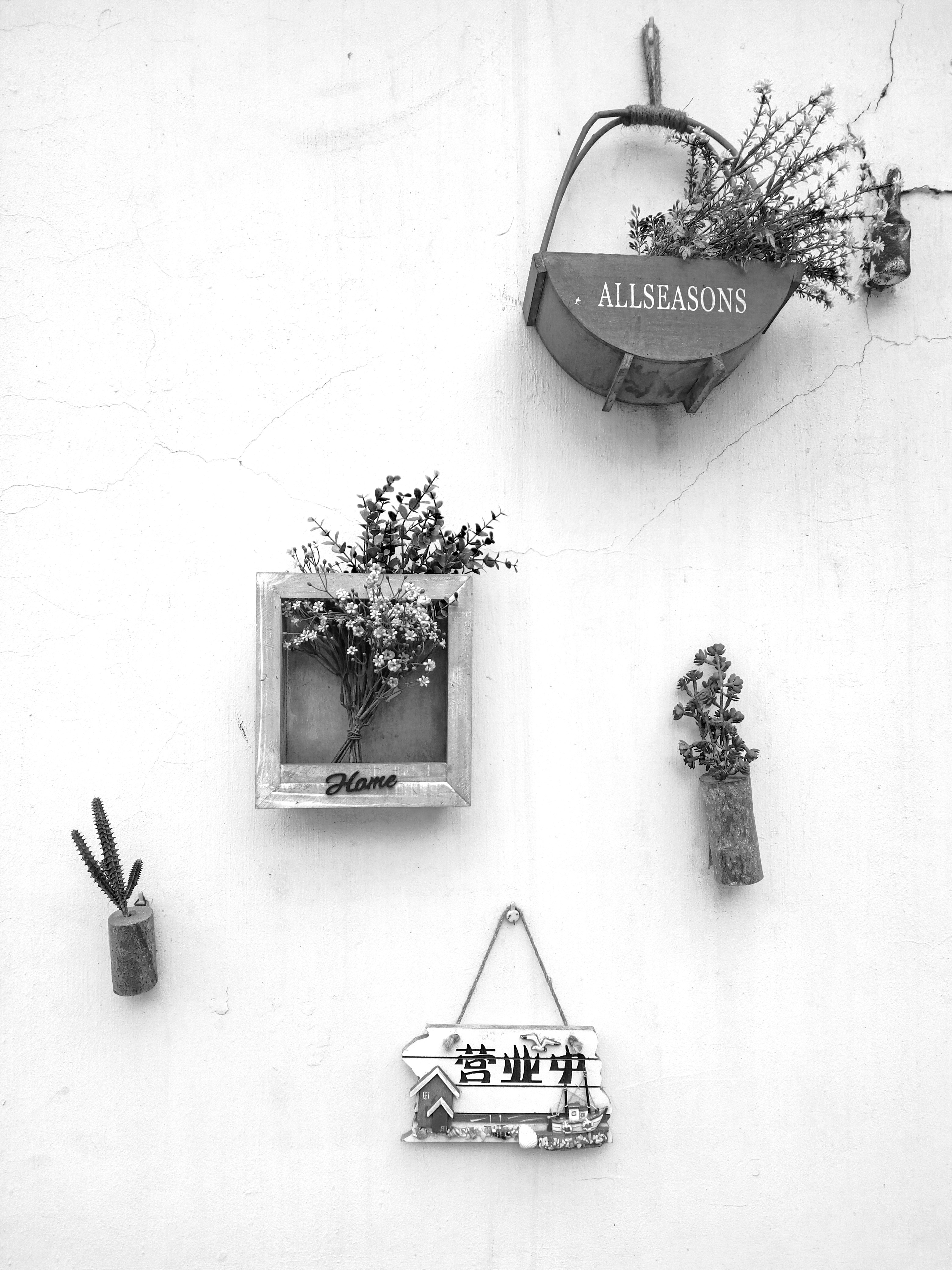
Introduction to DIY Home Decoration
In recent years, DIY home decoration has gained significant traction among homeowners, offering a creative outlet to personalize living spaces while also promoting financial savings. The do-it-yourself approach enables individuals to transform their homes in unique ways, allowing them to express their personal style and preferences. As the desire for distinctive and customized environments grows, more individuals are finding joy in undertaking home decoration projects themselves, rather than relying solely on store-bought items or professional decorators.
The benefits of engaging in DIY home decoration extend beyond simple aesthetics. By harnessing one’s creativity through hands-on projects, homeowners can not only save money but also derive a sense of accomplishment from their work. Creating decor from scratch or repurposing existing items fosters resourcefulness and resilience, skills that contribute positively to both personal growth and home management. Additionally, DIY projects can foster a deeper attachment to one’s home, as spaces become infused with memories and personal touches that reflect one’s unique tastes and experiences.
This article will cover a wide range of creative and affordable DIY decoration ideas, providing inspiration and guidance for homeowners who wish to embark on their own projects. From wall art and upcycling furniture to creating bespoke accessories and enhancements, we will delve into practical tips and techniques to help individuals turn their visions into reality. By the end of this piece, readers will be equipped with the knowledge and confidence to tackle various DIY home decoration projects that not only beautify their surroundings but also enhance their overall living experience.
Understanding Your Decoration Style
Home decoration is as much a reflection of personal style as it is about aesthetics. Individuals often gravitate towards specific decoration styles that resonate with their tastes, lifestyles, and even emotional experiences. Among popular styles are bohemian, minimalist, industrial, and farmhouse, each offering unique characteristics that can help shape your home. Understanding these styles is crucial for creating a space that feels authentically yours.
The bohemian style is characterized by its vibrant colors, eclectic patterns, and a mix of textures. It celebrates creativity and individuality, encouraging the display of personal items such as art, travel souvenirs, and handmade crafts. This style is perfect for those who seek warmth and vibrancy in their spaces.
In contrast, the minimalist style emphasizes simplicity and functionality. With a focus on clean lines and neutral palettes, minimalism is ideal for individuals who appreciate uncluttered spaces and a calming atmosphere. This approach encourages thoughtful selections, ensuring each item in the space has purpose and meaning.
The industrial style draws inspiration from repurposed warehouses and factories. It often features raw materials like exposed brick, metal fixtures, and open spaces. This style is well-suited for those who admire a rugged, urban atmosphere, often incorporating modern elements alongside vintage finds.
Lastly, the farmhouse style evokes a sense of nostalgia with its rustic charm and cozy feel. It typically includes elements like wooden beams, distressed furniture, and a neutral color scheme, fostering an inviting environment. This style resonates with individuals who value comfort and tradition.
To find your decoration style, consider exploring design magazines, online platforms such as Pinterest, and even visiting local home decor stores for inspiration. Take note of what you are drawn to and what resonates with your personality. By identifying your personal preferences, you can make informed decisions about the design of your home, turning it into a reflection of who you are.
Budgeting for DIY Decor Projects
Before embarking on any DIY decoration project, it is crucial to establish a clear and realistic budget. This step not only helps to keep your finances in check but also ensures that you can fully enjoy the creative process without the stress of overspending. A well-thought-out budget encompasses several key components including materials, tools, and any additional costs that may arise.
To create a budget that effectively meets your needs, begin by listing all the materials required for your DIY decor projects. This may include paint, fabric, glue, or any specific items necessary for your particular design. It is advisable to research local suppliers or online platforms to compare prices, ensuring that you can source materials at the best possible rates. Utilizing shared budgeting tools or apps can also assist in effortlessly tracking your expenses and staying within set boundaries.
In addition to materials, don’t forget to factor in tools that may be required for the project. If you do not already own certain tools, consider whether it is more cost-effective to purchase or rent them. For instance, while power tools can represent a significant upfront investment, they may prove to be a valuable asset for future projects. Additionally, remember to budget for any unforeseen costs that might emerge, such as replacement items or extra decorations that inspire you during the process.
One of the significant advantages of budgeting for DIY decor projects is the substantial cost savings compared to hiring professionals. By taking a hands-on approach, individuals can minimize labor expenses while also gaining the satisfaction of creating unique and personalized spaces. An effective budget can empower you to explore your creativity without financial strain, ultimately leading to a fulfilling DIY experience.
Affordable DIY Decoration Ideas
Transforming your living space does not always require a hefty budget. Affordable DIY decoration ideas enable homeowners to refresh their interiors while remaining cost-effective. One effective strategy is repurposing old furniture. Instead of discarding that outdated dresser or table, consider giving it a new life with a fresh coat of paint or by adding decorative hardware. This not only saves money but also adds a unique character to your home.
Another imaginative approach involves creating wall art. Instead of investing in expensive artwork, gather materials such as canvas, old newspapers, or fabric scraps to produce your own masterpieces. Collages, abstract paintings, or even framed textile art can significantly enhance the visual appeal of your walls at minimal cost. Moreover, utilizing family photos in a creative gallery wall can personalize your space while showcasing cherished memories.
Furthermore, everyday items can serve as remarkable decor elements. For instance, mason jars can be transformed into stylish vases, candle holders, or storage solutions. These versatile containers offer a rustic charm and can be dressed up with paint, twine, or lace for an added touch. Additionally, employing natural elements like branches, stones, or plants from your garden can create beautiful centerpieces that bring the outdoors in, all without straining your wallet.
Incorporating fabric remnants can also yield imaginative outcomes. Items such as throw pillows, curtains, or table runners can easily be sewn or no-sewn from leftover fabric. This not only adds color and texture to your space but also allows for customization that reflects your personal style.
Overall, affordable DIY decoration ideas can transform your home into a personal haven without the stress of financial burdens. With creativity and resourcefulness, you can implement these projects to achieve a stylish and inviting atmosphere. Such initiatives not only elevate your surroundings but also allow for a satisfying and fulfilling creative experience.
Incorporating Nature into Your Home Decor
Bringing the essence of nature into your home decor can immensely enhance the ambiance and overall aesthetic of your living space. By integrating natural elements such as plants, flowers, and eco-friendly materials, you not only beautify your home but also foster a calming and refreshing environment. Natural decorations offer various health benefits, including improved air quality and increased well-being, making them a worthwhile addition to any home.
One popular way to incorporate nature is through indoor plant arrangements. Houseplants not only add greenery and vibrancy to a room, but they also purify the air and contribute to a healthier indoor atmosphere. Consider creating a small indoor garden by grouping various plants of different heights and textures. Suitable options include snake plants, pothos, and succulents, which are low-maintenance and suited for indoor environments. Arranging these plants in stylish pots can further enhance their visual appeal and create a lush oasis within your home.
Another creative project to consider is designing your own terrarium. Terrariums can serve as miniature ecosystems that encapsulate the beauty of nature within clear glass containers. They are easy to maintain and can be customized to fit any decor style. You can select from a variety of plants, pebbles, and decorations to create your unique miniature garden. Additionally, terrariums make excellent conversation pieces and gifts for friends and family.
Lastly, nature-inspired art pieces can serve as striking focal points in your home. Consider creating wall art using natural materials, such as pressed flowers or twigs arranged in a frame. You can also experiment with painting landscapes or abstract representations of nature to infuse your living space with creativity. Utilizing these natural elements not only adds beauty to your home but also connects your interior with the outside world, promoting a serene and inviting atmosphere.
Upcycling and Repurposing for Unique Decor
Upcycling is a sustainable approach to repurposing old or discarded materials, transforming them into new products with enhanced value and usability. This creative process not only reduces waste but also lessens the demand for new resources, thus benefiting the environment. By breathing new life into unwanted items, individuals can make conscious choices that positively impact our planet while infusing their homes with unique character.
The environmental advantages of upcycling are significant. It diverts items from landfills, reduces pollution associated with manufacturing, and saves energy. Additionally, upcycling encourages a shift in mindset: rather than viewing items as disposable, one begins to see their potential for reinvention. This concept extends beyond traditional recycling as it emphasizes creativity and resourcefulness to create one-of-a-kind decor.
One popular upcycling project is transforming old wooden pallets into functional furniture. With minimal tools and some creative thought, individuals can construct anything from coffee tables to garden benches, adding a rustic touch to their interiors. Another appealing idea is using glass jars for storage and decoration. These versatile containers can be styled in various ways; when filled with seasonal flowers or painted, they become beautiful focal points in any room while also serving practical purposes.
Old furniture pieces can also be revitalized through upcycling. For instance, a worn-out dresser could be painted with fresh colors and patterns, or a wooden chair can be given new life with fabric upholstery. Even smaller items, like tin cans, can be transformed into planters or candle holders, providing a unique aesthetic to a space. The key to successful upcycling is to envision the potential within every discarded item, ultimately making your home not only distinct but also an embodiment of your personal style and commitment to sustainability.
Accessorizing: The Key to Home Decoration
Accessorizing plays a vital role in home decoration, serving as the finishing touch that ties a room together. While larger furnishings establish the foundation of a space, it is often the smaller accessories that infuse it with personality and warmth. Thoughtfully chosen decorative items can enhance visual appeal and create a cohesive design, making the environment feel reflective of its occupants. Whether one’s style is minimalist, bohemian, or traditional, accessories can help convey the desired mood and theme.
One popular DIY accessory idea is creating handmade cushions. By selecting fabrics that align with your home’s color palette, throwing together a few custom pillows can bring comfort to sofas or chairs while also adding a splash of color. Simple sewing projects can be tailored to various sizes and shapes, allowing for the incorporation of unique designs or textures. Similarly, colorful throws can be draped over furniture to provide warmth and layers, enhancing both comfort and aesthetic value.
Wall hangings also serve as an excellent way to express creativity and personal style. Crafting your own pieces using canvas, wood, or fabric can result in stunning focal points that draw the eye, adding depth to any room. Consider making a macramé wall tapestry or painting abstract art to suit your decor. Adding these bespoke elements can transform blank walls into captivating displays that elevate the ambiance significantly.
Moreover, small changes in decor such as repositioning existing accessories or adding fresh greenery through DIY planters can also contribute to a room’s rejuvenation. Plants not only beautify spaces but improve air quality, making them an excellent addition to any decor scheme. In conclusion, the impact of accessorizing should not be underestimated, as even minor alterations can significantly enhance the overall aesthetic of a room.
Color Schemes and Their Impact on Decor
Color plays a vital role in home decoration, influencing not only the aesthetic appeal of a space but also the psychological well-being of its inhabitants. Various colors evoke different emotions and feelings; for instance, warm tones like red and orange can create a sense of energy and warmth, while cool hues such as blue and green tend to promote calmness and relaxation. Understanding the psychology behind colors can help homeowners choose the right color schemes that align with their desired atmosphere and style.
When selecting a color scheme, it is essential to consider the overall decoration style of the home. A minimalist design may benefit from a monochromatic palette, focusing on varying shades of a single color to create depth. On the other hand, a bohemian style might embrace bold, vibrant colors and patterns, allowing for creative expression. To enhance the impact of a color scheme, homeowners can incorporate accent pieces such as throw pillows, artwork, and rugs that complement the primary colors in the room.
For those looking to refresh their spaces on a budget, DIY painting projects can significantly alter the ambiance. Repainting walls is a straightforward yet impactful way to change the character of a room. Homeowners can also experiment with furniture and decor items; for example, adding painted furniture or colorful decor accents can introduce new hues without the need for a complete overhaul. Creating an accent wall, using stencils, or incorporating patterned wallpaper are excellent DIY techniques that can bring a burst of color while reflecting personal style.
Ultimately, the integration of color into home decor is a powerful tool that significantly influences mood and spatial perception. By thoughtfully selecting and applying color schemes, individuals can cultivate inviting, inspiring spaces that embody their preferences and enhance their daily experience.
Final Thoughts: Your DIY Journey Starts Here
As we reach the conclusion of this exploration into affordable DIY decoration ideas, it is essential to remember that starting your DIY journey can be both an exciting and rewarding experience. Embracing creativity and resourcefulness allows you not only to transform your living space but also to create an environment that reflects your personality and style. Whether you decide to repurpose old furniture, create homemade wall art, or craft unique decorative items, each project offers an opportunity to personalize your home in ways that store-bought items simply cannot achieve.
The key points we discussed emphasize the importance of planning and creativity. By selecting projects that resonate with you and suit your skill level, you can gradually build your confidence and discover new techniques along the way. Additionally, incorporating elements such as color, texture, and personal touches can significantly elevate the aesthetic of your space. Remember that the process of creating is just as fulfilling as the end result. Celebrate each small achievement, and allow your creativity to flourish.
As you embark on your own DIY decoration journey, I encourage you to draw inspiration from various sources while making each project your own. Moreover, consider sharing your progress and successes with friends, family, or an online community dedicated to DIY enthusiasts. Your experiences can inspire others to embark on similar adventures and contribute to a growing culture of creativity and collaboration.
In this spirit, I invite you to share your own DIY success stories or projects. Engage with fellow DIY enthusiasts and showcase how you’ve personalized your space through innovative and economical solutions. Your journey is just beginning, and every step taken toward making your home uniquely yours is a step worth celebrating.