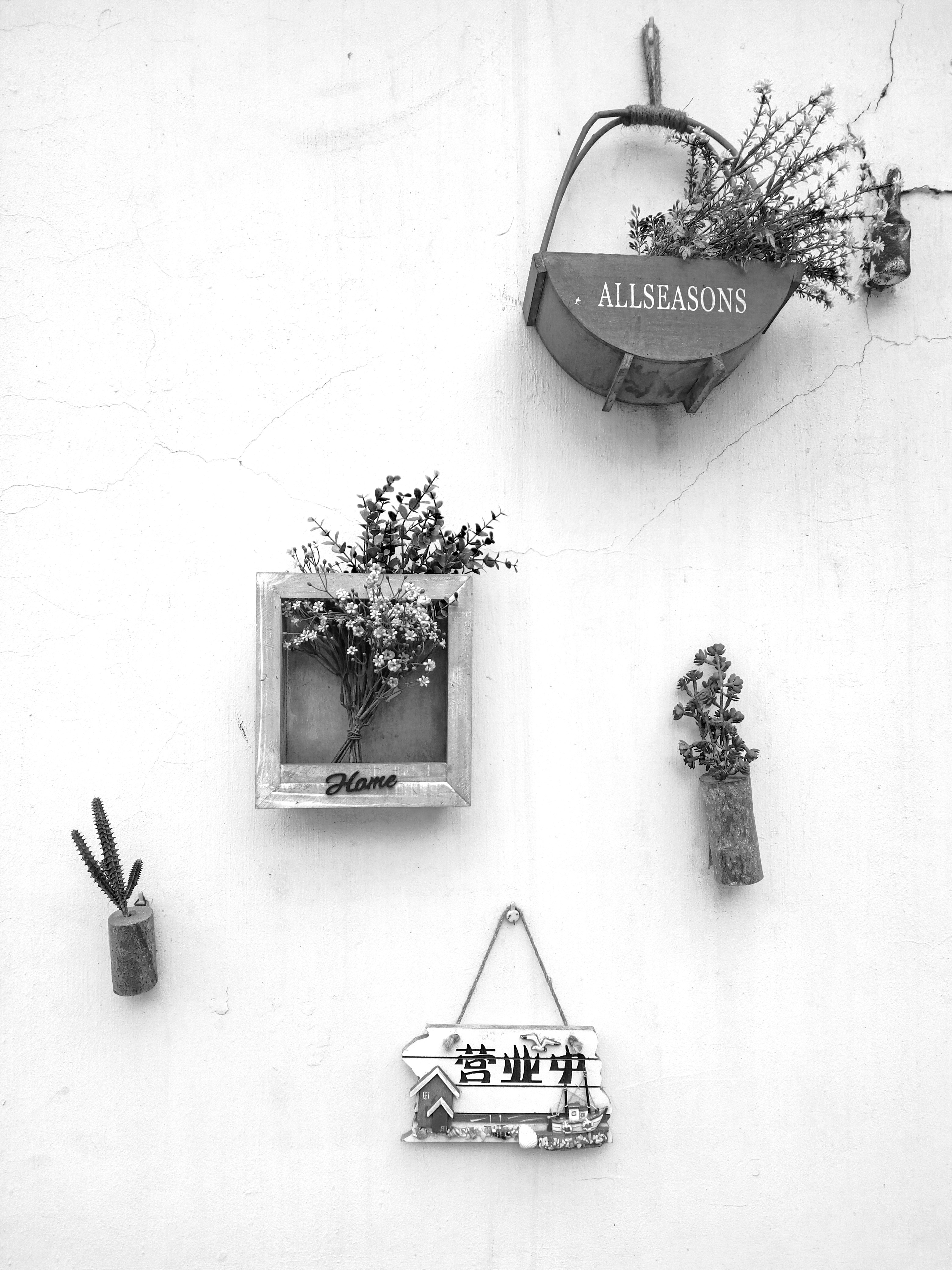
Introduction to DIY House Decoration
DIY house decoration has gained significant popularity in recent years, appealing to a wide range of individuals looking to infuse their spaces with personal touches. The concept revolves around the idea of ‘do-it-yourself’ projects, wherein homeowners take the initiative to decorate, renovate, or enhance their living spaces without professional assistance. This approach allows individuals to express their creativity, customize their environments according to their tastes, and often do so at a fraction of the cost of hiring decorators or purchasing ready-made products.
The allure of DIY house decoration lies in its empowering nature. By undertaking projects that reflect their own styles and preferences, homeowners can transform ordinary spaces into extraordinary havens. This form of personal expression not only fosters a sense of ownership but also enriches emotional connections to one’s home. Each project becomes a testament to one’s individuality; from hand-painted furniture to unique wall art, these personalized creations tell stories that mass-produced items simply cannot convey.
Moreover, the growing trend of DIY projects in home decor underscores a societal movement toward sustainability and self-sufficiency. As individuals become increasingly aware of their environmental impact, DIY decoration offers a way to repurpose materials and reduce waste in the home improvement process. This creative reuse also plays a significant role in budget management, allowing homeowners to allocate funds towards other essential areas of life while still achieving their desired aesthetic. In a world where the costs of renovations can spiral out of control, DIY projects serve as both a practical solution and a means of creative exploration.
Choosing Your Decoration Style
When it comes to transforming your home, selecting a decoration style that aligns with your personal taste and complements the architectural features of your living space is paramount. Various decoration styles can inspire the aesthetic of your home, including modern, rustic, bohemian, and minimalist approaches. Each style possesses a unique charm and offers different elements that can shape the overall look and feel of your interiors.
The modern style is characterized by clean lines, open spaces, and a focus on functionality. It often incorporates a neutral color palette accented by bold splashes of color, creating a fresh, uncluttered atmosphere. In contrast, rustic decor is rooted in nature and emphasizes the use of natural materials such as wood, stone, and metal. This style evokes warmth and comfort through earthy tones and handcrafted elements.
For those who appreciate an eclectic and vibrant environment, the bohemian style provides an ideal avenue for creative expression. This approach often combines various textures, patterns, and colors, reflecting a relaxed and unconventional vibe. Additionally, if simplicity and elegance resonate with you, the minimalist style might be the best fit. Focusing on the essentials, minimalist decor promotes a tranquil space devoid of excess, allowing for a peaceful ambiance.
Understanding these decoration styles is crucial in the design process, as it influences choices regarding color schemes, furniture arrangements, and overall décor. By defining your aesthetic preferences and analyzing how they align with your home’s architecture, you can make informed decisions that lead to a cohesive, stylish transformation. Ultimately, the goal is to create a living environment that reflects your individuality while harmonizing with the structural elements of your home, ensuring a beautifully curated space.
Budgeting for Your DIY Projects
Creating a budget for your DIY home decoration projects is a crucial step that can significantly affect the outcome of your endeavors. Understanding the various factors that influence costs—such as materials, tools, and the overall scale of your projects—will allow you to allocate funds more effectively and avoid overspending.
Begin by assessing the materials needed for your specific DIY tasks. Prices for paint, fabrics, and decorative items can vary widely, so it is advisable to research different suppliers, both online and locally. For instance, buying paint in bulk or selecting less expensive brands can help reduce costs. Similarly, you might explore secondhand stores for unique furniture pieces that can be repurposed with a fresh coat of paint or new hardware.
Tools also play a significant role in the overall budget. Before undertaking any project, determine what tools you already have on hand and what you might need to purchase or rent. For instance, basic tools like paintbrushes or a level can be quite affordable, but power tools might require a larger investment. If you are not planning to engage in frequent larger projects, consider borrowing tools from friends or family rather than buying them outright.
Moreover, the scale of your projects should be considered when budgeting. Smaller tasks, such as creating a gallery wall using affordable frames or refreshing your kitchen with easy DIY decor, require less financial commitment compared to a complete remodel. Focusing on low-cost projects, such as updating cabinet hardware or crafting decorative pillows from discount fabric, can keep your expenses manageable while still allowing you to personalize your space.
To further enhance your budget-friendly approach, prioritize your spending based on which areas of your home need the most attention. By organizing and investing wisely in your DIY home decoration projects, you can ensure that you achieve inspiring results without breaking the bank.
Maximizing Space with Decoration
When decorating a home, particularly a smaller one, it is critical to maximize the available space effectively. This can be achieved through the strategic use of multifunctional furniture, vertical space utilization, and open layouts. These concepts not only enhance the aesthetic appeal of a space but also contribute to its functionality.
Multifunctional furniture is a valuable asset in any home, especially for those with limited square footage. Pieces that serve more than one purpose can significantly reduce clutter and enhance usability. For example, a sofa bed can accommodate guests without the need for a separate guest room. Similarly, coffee tables with hidden storage can keep essential items concealed yet easily accessible. Incorporating such furniture will help create a more organized and inviting environment.
Utilizing vertical space is another effective strategy. Many individuals overlook the potential of walls, which can be transformed into storage and display areas. Wall-mounted shelves are an excellent option for showcasing decor items, books, or plants without occupying valuable floor space. Additionally, using tall bookcases or hanging art higher up can draw the eye upwards, creating an illusion of greater height in the room, which can make it feel more expansive.
Open layouts further contribute to the sense of space within a home. By minimizing physical barriers between rooms, such as using room dividers strategically or opting for open shelving instead of solid cabinets, homeowners can improve the flow of light and air. This invites a feeling of openness and spaciousness, even in smaller areas. DIY solutions such as painting with lighter colors can also enhance the perception of space. Light colors reflect more light, making a room feel larger and more welcoming.
Incorporating these strategies into home decoration can significantly improve the functionality and visual appeal of a smaller space. With thoughtful planning and the right solutions, homeowners can create a harmonious environment that feels both inviting and spacious.
Creating the Perfect Scene in Each Room
Transforming your home into a harmonious and inviting space involves careful consideration of each room’s purpose and atmosphere. Whether you aim to establish a cozy living room, a tranquil bedroom, or a productive workspace, focusing on elements such as color schemes, lighting, and focal points is essential to achieving the desired vibe.
Starting with color schemes, the palette you choose significantly influences the mood of a room. Warm colors like reds and oranges encourage a feeling of warmth and comfort in a living room, making it an ideal space for relaxation and socializing. Conversely, cool colors such as blues and greens are often associated with tranquility, making them perfect for a bedroom where rest and relaxation are paramount. When selecting your colors, consider using analogous colors for a serene look or complementary colors for a more dynamic contrast.
Lighting plays a key role in defining the atmosphere as well. Natural light adds vibrancy, so utilize sheer curtains that allow sunlight to filter through, especially in spaces meant for unwinding or creative activities. For the living room, layered lighting – combining ambient, task, and accent lighting – can elevate the room’s aesthetic and functionality. In a workspace, ensure that task lighting is adequate to promote productivity while minimizing eye strain.
Finally, establishing focal points within a room enhances its visual interest. This may include a well-placed piece of artwork, a unique furniture arrangement, or a striking light fixture. Each focal point should not only draw attention but also complement the overall theme of the space. By thoughtfully selecting these details, you can create scenes that reflect your personal style and cater to the functional needs of each room, ultimately transforming your home into a cohesive and inviting haven.
Essential Tools for DIY Decoration
Engaging in DIY home decoration projects can be an incredibly rewarding experience, allowing individuals to personalize their living spaces while saving costs. To ensure successful results, it is crucial to have a set of essential tools and materials. Investing in quality equipment not only facilitates the process but also enhances the overall results of your decorative endeavors.
First and foremost, a reliable toolbox is fundamental. This keeps your tools organized and easily accessible, preventing frustrations during projects. Within this toolbox, a utility knife is indispensable for cutting through a variety of materials, including cardboard, fabric, and tape. Its versatility makes it a go-to choice for many DIYers.
Next, a measuring tape is key to achieving precision in your projects. Whether you are hanging artwork or measuring fabric for curtains, accurate measurements ensure a polished look. Additionally, a level tool is essential for determining the horizontal or vertical alignment of items being hung, such as shelves and frames, which contributes significantly to the overall aesthetic.
Another vital tool is a paintbrush and roller set. These tools facilitate the application of paint, allowing for a smooth, even finish on walls and furniture alike. Quality brushes also ensure that both bold colors and subtle shades exhibit their true brilliance. For projects involving furniture upgrades or creative stenciling, a paint sprayer can expedite the process, covering larger areas quickly.
Lastly, don’t underestimate the power of adhesives and fasteners, such as glue guns and nails. These enable the assembly of, or attachment to, various items. A sturdy combination of the above tools, alongside a good pair of scissors, can elevate your DIY home decoration projects significantly. By investing in these essential tools, you will be well on your way to transforming your space into a beautifully curated haven.
Cost-Effective DIY Projects
Transforming your home can be an enjoyable and satisfying experience, particularly when embarking on budget-friendly DIY decoration projects. These projects not only enhance your living space but also allow you to express creativity and uniqueness without incurring substantial costs. Below are several engaging ideas that are simple to execute, along with necessary materials and estimated expenses.
One popular option is creating DIY painted flower pots. For this project, you will need terracotta pots, acrylic paint, a paintbrush, and sealer. Start by cleaning the pots to ensure a smooth surface. Apply a base coat of paint and allow it to dry completely. Then, unleash your creativity by adding patterns or designs of your choice. To finish, apply a sealer to protect your artwork. The estimated cost for this project is around $20, depending on the number of pots you wish to decorate.
Another fantastic project is making a wall hanging from yarn or twine. You will need a wooden branch, yarn or twine, scissors, and optional embellishments such as beads or feathers. Cut lengths of yarn to your preferred size. Tie each piece of yarn to the branch to achieve the desired look. Incorporate embellishments for added flair. This project can cost approximately $15, most of which goes towards the yarn and optional decorations.
Lastly, consider creating a decorative photo collage. Gather old frames and paint them to match your home’s décor. You will also require photos printed in your preferred size, a ruler, and adhesive. Measure and arrange the frames on a wall before hanging them. This project can run you about $30, depending on the number of frames chosen.
Each of these DIY decoration projects allows for personal touches while being cost-effective. By taking the time to craft unique decorations, you can significantly enhance your living space without overspending.
Incorporating Personal Elements
Personalization in home decor plays a crucial role in creating spaces that truly resonate with individual tastes and experiences. By incorporating personal elements into DIY projects, homeowners can transform their environment into a reflection of their identity, memories, and values. One effective approach is to showcase meaningful photographs. Consider designing a gallery wall featuring curated family photos, travel snapshots, or moments that capture significant milestones. This not only adds warmth to the space but also invites narratives that can spark conversations.
Another way to personalize your home decor is by displaying cherished artwork. Whether it’s an original painting, a crafted piece by a talented friend, or a print that evokes fond memories, incorporating art into your decor is a powerful expression of individuality. Centerpieces made from personal art can be integrated seamlessly within various DIY projects, such as creating an artistic mantel or a bespoke shelf filled with inspired pieces that bring joy and meaning to your living areas.
Additionally, heirlooms or family antiques can serve as striking decor elements. These items tell stories and often hold sentimental value, enriching the aesthetics of your home while keeping the family history alive. Whether arranging them in a dedicated display case or using them as functional pieces, such as a vintage table or decorative serving dishes, these items allow for the visible legacy to influence modern design. Unique DIY ideas, such as repurposing old furniture or framing vintage textiles, can elegantly merge these cherished items into your current aesthetic.
Ultimately, integrating personal elements in home decor not only enhances the uniqueness of your space but also fosters emotional connections. This thoughtful customization reflects one’s journey, making any house feel more like a home.
Final Thoughts and Inspiration
As you embark on your journey to transform your home, it’s essential to remember that DIY house decoration is not merely a task, but an opportunity for self-expression and creativity. Engaging in this process allows you to infuse your personal touch into your living space, creating an environment that reflects your unique tastes and preferences. Whether you are creating a cozy nook with handmade cushions or revamping an old piece of furniture, every project can bring a sense of accomplishment and fulfillment.
There are numerous resources available that can further inspire your DIY endeavors. Websites such as Pinterest and Houzz offer a plethora of ideas and tutorials that can guide you through various projects. From budget-friendly transformations to more elaborate designs, these platforms provide a wealth of information to help you visualize your home’s potential. Additionally, platforms like YouTube host countless DIY videos, showcasing step-by-step processes that can simplify even the most complex projects.
Books dedicated to home decoration and DIY projects can also serve as invaluable resources. Titles like “The DIY Home Planner” by Karianne Wood or “The Complete Book of Home Organization” by Toni Hammersley provide practical advice and innovative ideas to inspire your creativity. You may also consider joining local or online communities where fellow DIY enthusiasts share their experiences and tips. Engaging with others who share a passion for home decoration creates a supportive environment that can enhance your project engagement.
Ultimately, the joy derived from making your home truly yours cannot be overstated. Embrace the challenges and celebrate the victories of each DIY project. As you customize your space, you will not only enhance its aesthetic appeal but also foster lasting memories. So gather your materials, choose a project that excites you, and let your creativity lead the way in transforming your home into a sanctuary that resonates with your style.