Introduction to DIY Home Decoration
In recent years, the trend of DIY (Do-It-Yourself) home decoration has gained significant traction as homeowners seek to personalize their living spaces without incurring high costs. This approach not only allows for a unique expression of style but also provides an opportunity to engage creatively with one’s environment. By embracing DIY decoration, individuals can transform their homes into reflections of their personalities, preferences, and lifestyles.
One of the primary benefits of DIY home decoration is the sense of ownership it fosters. Unlike purchasing pre-made decor items, crafting your pieces or repurposing existing furniture encourages a connection to your surroundings. This involvement in the creative process cultivates satisfaction and achievement, as you witness the tangible changes in your space over time. Furthermore, engaging in these projects can serve as a therapeutic outlet, alleviating stress while enhancing your home’s aesthetic appeal.
Home decoration encompasses a diverse range of styles, from minimalism and rustic charm to bohemian vibrancy and industrial chic. Each style offers distinct opportunities for personal expression through color, texture, and design elements. DIY allows individuals to explore these varied aesthetics, combining ideas to create a cohesive look that would otherwise be difficult to achieve using store-bought solutions alone. Whether one chooses to make their furniture, create personalized wall art, or incorporate plants into their decor, the possibilities are virtually limitless.
Additionally, implementing DIY projects is often a cost-effective alternative to traditional decorating methods. By using available materials or thrifted finds, homeowners can significantly reduce expenses while still achieving professional-looking results. Ultimately, DIY home decoration presents an engaging, affordable way to enhance your living environment, inviting individuals to unleash their creativity and ultimately enjoy the fruits of their labor.
Choosing Your Decoration Style
When transforming your home, selecting a decoration style is essential to reflect your personality and enhance the overall atmosphere. Several popular styles exist, each with unique characteristics, allowing you to select one that resonates with you while complementing the functionality of your living space.
Firstly, the minimalist style emphasizes simplicity and functionality. Characterized by clean lines, neutral colors, and uncluttered spaces, minimalism creates an environment that promotes calmness and order. If you are drawn to a clutter-free aesthetic, incorporating minimalist furniture or decor can significantly declutter your space and mind.
In contrast, the bohemian style offers an eclectic mix of colors, patterns, and textures. Bohemian decor often showcases vibrant textiles, layered rugs, and various cultural artifacts, creating a warm, inviting environment that feels lived in. This style is perfect for those who enjoy a more personalized approach and wish to express individuality through unique decor elements.
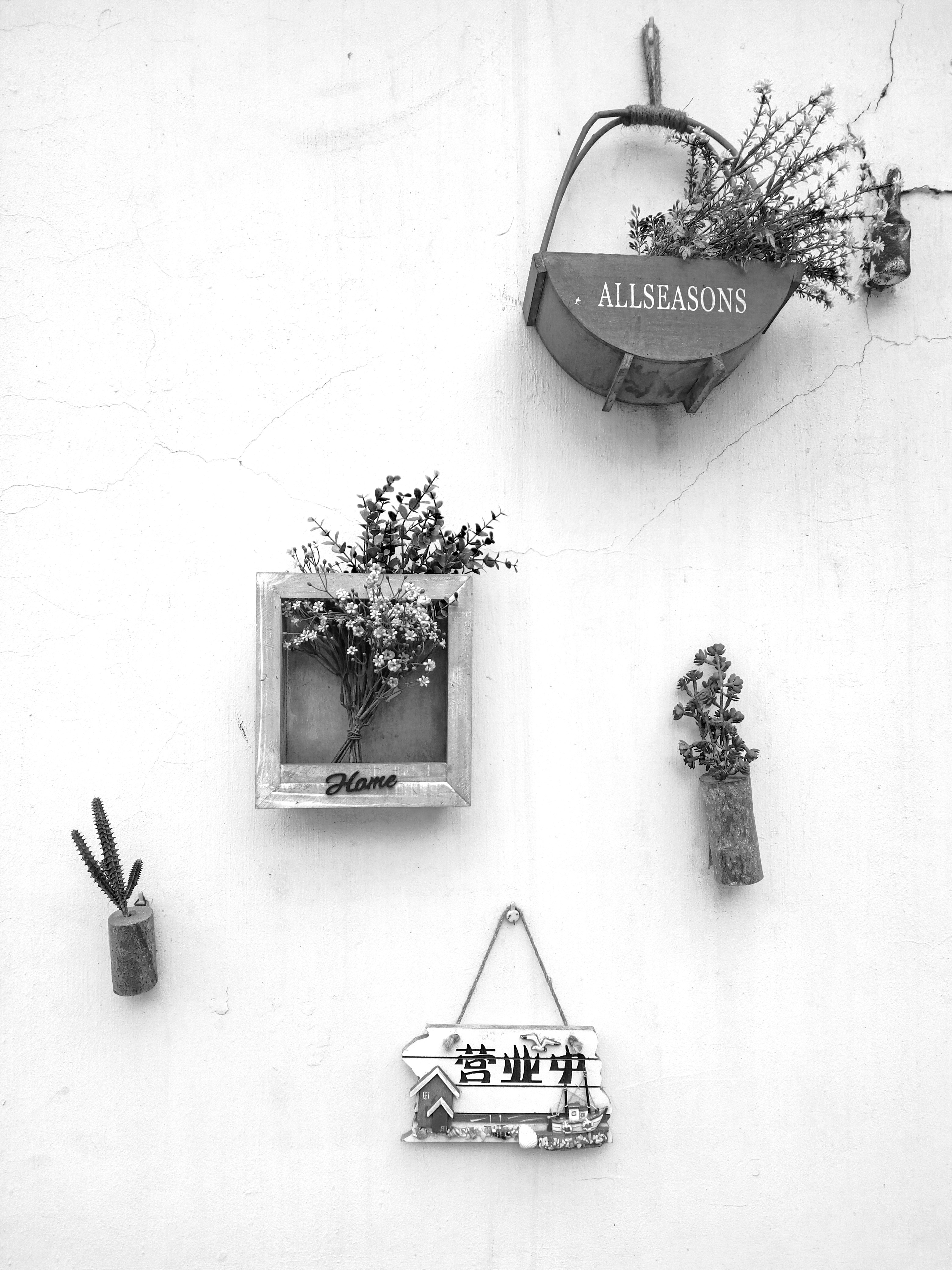
The farmhouse style draws inspiration from rustic charm, often featuring natural materials, distressed finishes, and vintage elements. By incorporating wooden furniture, botanical accents, and neutral color palettes, you can create a cozy and welcoming atmosphere that feels like a retreat from urban life. This style is particularly appealing if you appreciate a comfortable and relaxed approach to decor.
Finally, modern aesthetics focus on minimalism yet incorporate cutting-edge design elements and innovative materials. This style promotes bright spaces, sleek lines, and functional furniture, appealing to those who appreciate contemporary trends while maintaining an open, airy feel in their homes.
When considering your decoration style, reflect on how each style influences both the mood and functionality of your living space. By choosing a style that aligns with your personality, you can create an environment that not only looks visually appealing but also enhances your daily living experience.
Budgeting for Your DIY Project
When embarking on a DIY home decoration project, effective budgeting is a critical component that can significantly influence the outcome of your efforts. Setting a budget establishes the financial parameters within which you will operate, enabling you to focus on creativity without overspending. Start by assessing your overall financial situation, then determine a realistic amount to devote to your DIY endeavors. This initial step is crucial to ensure that your spending aligns with your financial capability.
Estimating costs for materials is the next vital step in budgeting for your DIY project. Create a detailed list of all the materials you will need, including paint, wood, fabric, and any tools required for the project. Research prices from various suppliers, both online and locally, to find the best deals. Don’t forget to include costs for additional items such as adhesives, brushes, or embellishments. By generating an accurate estimate, you can allocate funds appropriately and avoid surprises along the way.
Breaking down expenses by project can help you stay on track and manage your finances effectively. Consider categorizing your DIY projects based on priority and potential impact on your living space. This approach allows you to allocate portions of your budget according to which projects are most essential or desirable. Additionally, investigate affordable resources such as thrift stores, garage sales, or online marketplaces where you can find reclaimed materials that can add charm to your home without a large financial investment.
Creating a cost-effective plan involves not only setting financial limits but also making strategic decisions that maximize your budget. Consider using versatile materials that can serve multiple purposes, or repurposing existing items in your home. By being thoughtful about your spending and resource choices, you can transform your living space beautifully while maintaining financial health.
Maximizing Your Space
When embarking on DIY decoration projects, especially in smaller residences, it is imperative to focus on maximizing your space effectively. A well-thought-out arrangement not only enhances the aesthetic appeal of a room but also improves its functionality. One of the fundamental strategies to consider is implementing storage solutions that are both practical and attractive. For instance, utilizing vertical storage by incorporating shelves or wall-mounted racks can open up floor space while also providing areas to display decorative items.
Moreover, multifunctional furniture plays a crucial role in the efficient use of limited space. Pieces that serve dual purposes, such as ottomans with hidden storage or coffee tables that double as workspaces, can significantly reduce clutter. This type of furniture helps in maintaining a clean and organized environment, which is essential for smaller areas. When selecting these pieces, it is recommended to choose those that complement the existing decor and color scheme, ensuring a cohesive look throughout the space.
In addition to furniture choices, the impact of color and lighting in decorating cannot be underestimated. Light colors can create the illusion of a more expansive area, while strategic lighting can highlight certain features and create depth within a room. Mirrors are another essential aspect of decoration that can enhance perception; placing mirrors across from windows allows natural light to bounce around the room, further making it feel larger and more inviting.
Ultimately, careful planning and the right decoration techniques can transform cramped living spaces into stylish and functional environments. By considering aspects such as storage solutions, multifunctional furniture, and the intelligent use of color and lighting, even the smallest of areas can become a reflection of comfort and elegance. With creativity and thoughtful decoration, anyone can maximize their space while maintaining a welcoming atmosphere in their home.
Scenic Decoration Ideas for Every Room
Transforming your home into a picturesque haven is achievable with a few thoughtful DIY decoration ideas tailored for each room. In the living room, consider employing a warm color palette with accent pillows and throws in shades of terracotta and mustard. Adding a textured jute rug can introduce warmth, and wall art created from personal photographs or abstract designs can make the space uniquely yours. A gallery wall with selected frames in varying sizes can also be a stunning focal point.
For bedrooms, create a serene atmosphere by focusing on cool tones and soft textures. DIY headboards can be designed using reclaimed wood or upholstered fabrics, bringing an element of comfort and style. Incorporating fairy lights or handmade garlands can enhance the tranquil ambiance. Additionally, handmade storage boxes or painted furniture can add character while keeping clutter at bay, ensuring that the room remains functional yet aesthetically pleasing.
The kitchen is a space often overlooked in terms of decorative potential. Simple projects such as painting cabinet doors or creating a chalkboard wall can infuse personality while maintaining practicality. Incorporate hanging plants for a fresh touch, and display colorful dishware or jars filled with spices as decor elements. Upcycling wooden crates for open shelving can maximize storage while adding rustic charm.
Lastly, in the bathroom, consider DIY projects like custom shelves made from reclaimed wood or an accent wall painted in soft pastels that enhance the feeling of cleanliness and relaxation. Functional decor can include hanging baskets for toiletries or decorative trays that organize essentials. A cohesive theme, perhaps inspired by a coastal decor style with navy hues and seashell accents, can tie the room together harmoniously.
Integrating these scenic decoration ideas into your home can create a cohesive aesthetic and maximize the potential of each room. By considering the functionality as well as the visual appeal, you can elevate your home into a personalized sanctuary.
Essential Tools for DIY Decoration Projects
Embarking on a DIY decoration project requires not only creativity but also the right set of tools to bring your vision to life. Having essential tools on hand can significantly ease the process and enhance the quality of your work. Here is a checklist of must-have tools and materials to consider for various DIY decoration tasks.
Firstly, a reliable hammer is paramount for many projects, especially when assembling furniture or hanging items. A set of screwdrivers, both flat and Phillips head, is also necessary for tasks like attaching hardware or mounting fixtures. Furthermore, a power drill can expedite the process of drilling holes and driving screws, making it an essential tool in your toolkit.
When considering painting projects, a quality paintbrush set and rollers are indispensable. Different brush sizes cater to various needs, from detailed work to larger wall surfaces. Additionally, select paints that offer durability and vibrancy suitable for your specific projects. Fabric is another useful supply, particularly for tasks such as reupholstering furniture or creating decorative accents. Ensure you choose fabrics that align with your aesthetic preferences and project requirements.
Adhesives play a critical role in DIY decoration; hence, having a hot glue gun, wood glue, and fabric glue on hand will be beneficial. These supplies can assist in securing items together efficiently. To optimize your expenditure on tools, consider investing in quality brands that provide longevity, even if they come with a slightly higher initial cost. Alternatively, for one-time projects, renting tools or borrowing from friends can also be a cost-effective strategy. By equipping yourself with the right tools, you will find your DIY endeavors more manageable and enjoyable.
Sourcing Affordable Materials
When it comes to embarking on a DIY home decoration project, sourcing affordable materials is crucial for keeping costs down while still achieving stunning results. One of the best places to begin your search is at thrift stores, which are often treasure troves of unique items waiting to be repurposed. Here, you might find vintage frames, intriguing furniture pieces, or decorative items that can easily be transformed to fit your vision. Thrift stores typically offer these goods at significantly reduced prices, allowing you to explore your creativity without breaking the bank.
Another valuable resource is flea markets, where various vendors gather to sell their wares, often at negotiable prices. These markets can provide a plethora of materials, including textiles, vintage decor, and raw materials that can be incorporated into your DIY projects. To make the most of your trip, come prepared with a list of what you are looking for, and don’t hesitate to haggle for the best price.
Online marketplaces such as Etsy, Facebook Marketplace, and Craigslist also present excellent opportunities to find affordable materials. These platforms connect you with local sellers who might be getting rid of items at shockingly reasonable prices. By frequently checking these sites and using specific keywords related to your DIY needs, you can discover hidden gems from the comfort of your home.
Additionally, consider exploring local sales, particularly estate sales and garage sales, where you may find a wide range of materials and furnishings at deeply discounted rates. Don’t forget that nature can also be an excellent source of inspiration and materials; branches, stones, and leaves can be integrated into your home decor for a natural, rustic appeal. By employing diverse strategies to source affordable materials, you can enhance your home while keeping your budget intact.
Incorporating Personal Touches in Decor
When it comes to transforming your home, incorporating personal touches in your decor can make a significant difference in how the space feels. Personalization allows individuals to reflect their unique styles and sentiments, thereby creating a warm and inviting atmosphere. One effective approach is to integrate family photos into your design. By displaying cherished moments on walls or mantels, you not only evoke fond memories but also establish a sense of belonging that is crucial in any home.
Another excellent way to personalize your decor is through the inclusion of travel souvenirs. These items remind you of your adventures and experiences, enhancing the narrative of your home. For instance, consider creating a gallery wall featuring photographs, postcards, or even artifacts from your travels. This not only enriches your wall but also serves as a conversation starter for guests, allowing you to share stories that are dear to your heart.
Artwork is another powerful medium for expressing individuality. Engaging with local artists or even creating your own pieces can inject creativity into your home. Whether you opt for abstract paintings or handcrafted crafts, the key is to choose art that resonates with you personally. This not only fosters a deeper connection with your surroundings but also elevates your space’s visual appeal.
In thinking creatively about how to design your spaces, consider utilizing various materials and formats to showcase these meaningful elements. Arrange your photos and souvenirs in unique ways that highlight their significance, and choose frames that complement your overall decor. Remember, your home should tell your story. By thoughtfully integrating personalized decorations, you cultivate an environment that feels distinctly yours, providing a sanctuary of comfort and identity.
Final Touches and Maintenance Tips
Once you have completed your DIY decoration projects, the final touches can significantly elevate your space. Consider incorporating accessories that reflect your personal style, such as decorative pillows, art pieces, or unique knick-knacks. These elements not only add character to your home but also make the environment feel more inviting. Carefully selecting the right lighting can further enhance these decorative elements; soft, warm lights can create a cozy atmosphere, while brighter lights can make spaces appear larger and more vibrant. Choosing the appropriate lighting fixtures, such as pendant lights or table lamps, can complement your overall decor and enhance functionality.
Arranging furniture is another crucial aspect of achieving a harmonious layout. Aim for optimal flow by ensuring that there is enough space for movement between pieces. Grouping furniture to facilitate conversation and placing larger items against walls can create an open and inviting living area. Furthermore, experimenting with different configurations can help you discover what works best in your unique space.
Maintenance is equally important in preserving the beauty of your DIY home decorations. Regular cleaning is essential for keeping surfaces dust-free, while occasional touch-ups can maintain the integrity of painted or refurbished pieces. Implementing a simple routine, such as wiping down surfaces weekly and rearranging accessories seasonally, can refresh the look of your home without requiring extensive effort. Additionally, consider using protective coatings on surfaces vulnerable to wear and tear, as these can enhance both durability and appearance.
By following these final touches and maintenance tips, you can ensure that your DIY projects remain vibrant and enjoyable for years to come. A well-cared-for space reflects not only your efforts but also your dedication to creating a warm, enjoyable atmosphere for yourself and your guests.