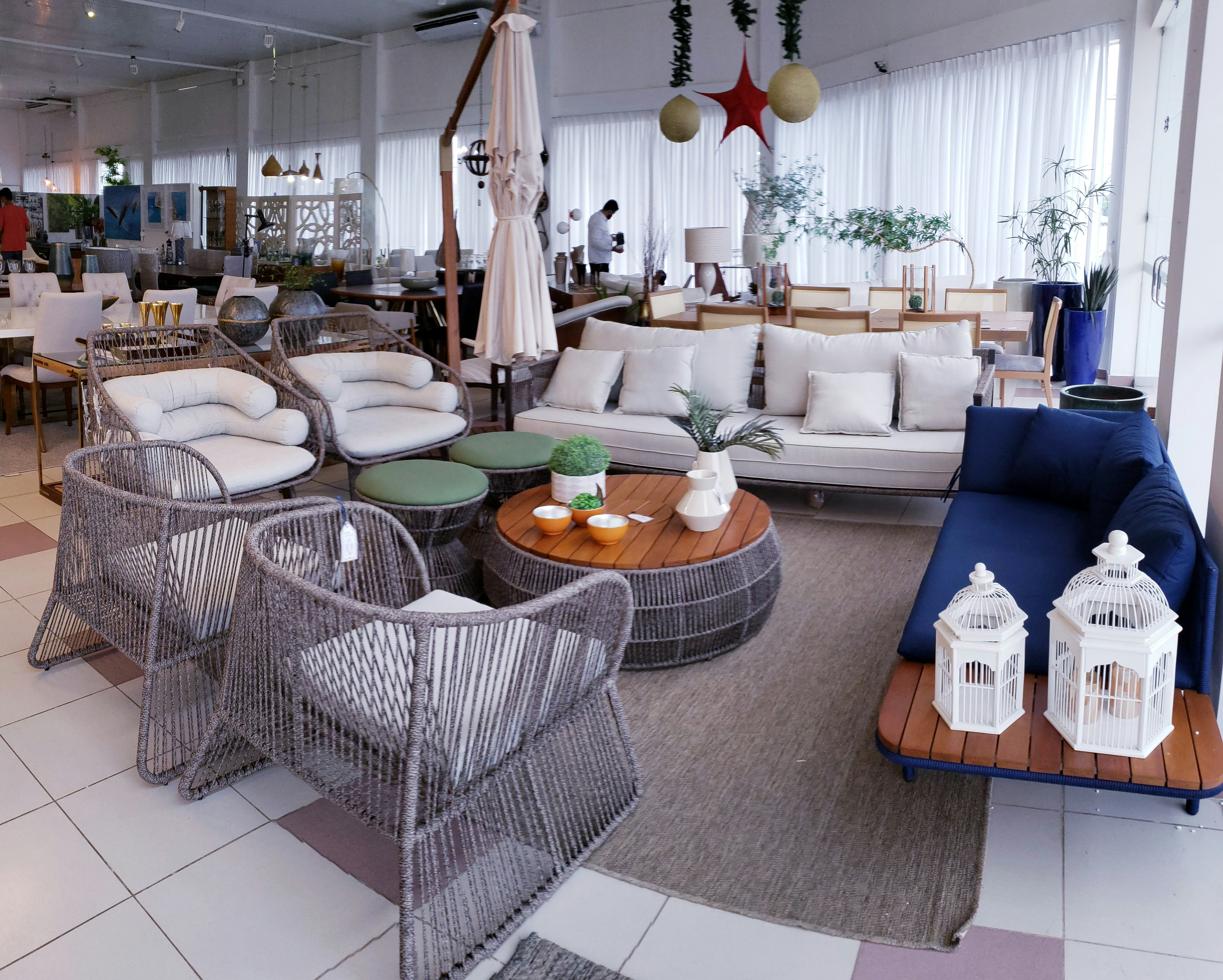
Introduction to DIY Furniture Decoration
DIY furniture decoration has become an increasingly popular choice for individuals looking to enhance their living spaces in a cost-effective and personalized manner. The concept encourages creativity, allowing homeowners to transform ordinary furniture into extraordinary pieces that reflect their unique style and preferences. DIY projects range from simple updates to more complex renovations, making it an attainable option for various skill levels and budgets.
The primary benefit of engaging in DIY furniture decoration lies in its affordability. By opting for DIY methods, individuals can save substantial amounts of money that would typically be spent on store-bought furniture or professional services. Additionally, many DIY projects utilize reclaimed or second-hand materials, promoting environmental sustainability by reducing waste. This approach not only lowers expenses but also contributes to a more eco-conscious lifestyle.
Beyond financial considerations, DIY furniture decoration provides an unparalleled opportunity for personalization. Each project allows individuals to express their creativity, crafting pieces that are not only beautiful but also meaningful to them. Whether it involves painting a simple wooden chair or reupholstering a vintage couch, the end result often carries sentimental value, showcasing the effort and love poured into the creation process.
This blog post aims to equip readers with a variety of innovative DIY furniture decoration ideas, catering to different styles, budgets, and spaces. From minimalist designs to eclectic choices, our selection will demonstrate that anyone can create a stunning home environment without breaking the bank. By exploring these concepts, readers will discover how accessible and fulfilling DIY furnishing can be, encouraging them to embark on their own creative journeys.
Understanding Your Space and Needs
Before embarking on a DIY furniture decoration project, it is crucial to assess your home space effectively. Understanding the dimensions and functionality of each area can significantly influence your decisions on furniture placement and style. Start by analyzing the layout of your room; consider both the flow of movement and the purpose of the space. For example, a living room may need seating conducive to conversation, while a home office requires a setup that promotes productivity.
Next, take precise measurements of your available space. Using a tape measure, jot down the width, length, and height of each area, paying special attention to doorways, windows, and built-in features. This information helps avoid the common pitfall of purchasing furniture that is either too bulky or too small for the intended space. Additionally, you might find it helpful to create a scaled floor plan of your room to visualize potential changes.
When assessing your furniture needs, consider your existing decor style. Whether your aesthetic leans towards modern minimalism or rustic charm, selecting pieces that align with your overall design will create a cohesive look. Take stock of what you currently own to identify items that can be repurposed or enhanced versus those that may need replacing. Incorporating DIY projects can offer a personalized touch that reflects your unique taste while also adhering to your budget.
Lastly, think about functionality. What activities will take place in this space? For instance, families may prioritize robust, versatile furniture, while singles may opt for style and elegance. By understanding your space and needs thoroughly, you will make more informed decisions that lead to satisfying furniture solutions, ultimately enhancing your home’s atmosphere.
Setting Your Budget for DIY Projects
Establishing a budget for DIY furniture decoration projects is a crucial first step that can significantly influence the project’s overall success and satisfaction. Effective budgeting begins with understanding your financial limits and how they align with your individual needs and aesthetic preferences. Start by assessing the scope of the project, which includes evaluating the type of furniture you wish to transform and the specific changes you plan to implement. This thorough evaluation will help you prioritize spending, ensuring you allocate resources effectively.
When setting your budget, consider distinguishing between essential expenses and optional enhancements. Essentials typically include materials such as paint, varnish, hardware, and tools, critical for successful completion of your project. Optional enhancements might involve decorative elements like new cushions or knobs, which could enhance the overall look but are not obligatory for the project’s completion. By prioritizing essential costs first, you ensure that the foundation is solid before allocating funds for extras.
In addition to prioritizing needs, sourcing affordable materials and tools can greatly reduce costs. Local hardware stores, thrift shops, and online marketplaces often have budget-friendly options that might suit your project well. Look out for sales, or consider buying second-hand items that can be refurbished for added savings. Furthermore, many DIY enthusiasts find it beneficial to utilize what they already own or repurpose items from around the home. This not only saves money but also contributes to a more sustainable approach to furniture decoration.
Managing your budget throughout the DIY process involves keeping track of expenses and adjusting as necessary. By maintaining a clear view of your spending, you can make informed decisions that keep the project within financial limits while still achieving the desired outcome. By following these steps to set your budget, you can effectively navigate the exciting world of DIY furniture decoration while staying true to your financial goals.
Choosing a Decoration Style
Selecting a decoration style for your furniture is a fundamental step in creating a cohesive and inviting atmosphere in your home. Various styles reflect different aesthetics and can dramatically alter the overall look and feel of a space. From modern and minimalistic designs to rustic charm and vintage appeal, understanding the nuances of these styles can aid homeowners in making informed decisions that resonate with their personal tastes.
The modern style is characterized by clean lines, functional design, and an overall uncluttered aesthetic. Color palettes typically lean towards neutral tones, often punctuated with bold accents that create focal points. Utilizing furniture that adheres to these principles can elevate the contemporary feel of any room while emphasizing practicality.
In contrast, minimalism emphasizes simplicity and the reduction of excess. This style advocates for essential pieces only, which can be particularly alluring for those wishing to maintain a calm and serene environment. Selecting minimalistic furniture involves focusing on high-quality materials and craftsmanship, allowing each piece to stand out without overwhelming the space.
For those who appreciate a warmer atmosphere, rustic styles bring the charm of the countryside indoors. Characteristics include natural materials such as wood and stone, often accompanied by textured fabrics. This style lends itself well to cozy living rooms or family spaces, nurturing an inviting ambience. Embracing vintage elements can also provide a sense of nostalgia, where unique, timeworn furniture pieces tell a story and add character to the home.
Choosing the right style largely depends on individual preferences and the existing design elements within your space. By contemplating how each style resonates with your lifestyle, you can curate a home that not only reflects your personality but also provides comfort and satisfaction. With the plethora of available design ideas, exploring images and examples online can further inspire your decisions.
Essential Tools for DIY Furniture Decoration
When embarking on DIY furniture decoration projects, having the right tools is crucial to ensure quality results and efficiency. This section will outline essential tools ranging from basic hand tools to more advanced power tools that every DIY enthusiast should consider.
First on the list is the tape measure. Accurate measurements are fundamental in any DIY project. A reliable tape measure enables you to measure dimensions precisely, ensuring that your furniture fits perfectly in your intended space. Next, a level is vital for any project that requires hanging or assembling furniture, ensuring that your decorations are properly aligned. A square tool is also important as it helps to check and create right angles, ensuring structural integrity in your furniture builds.
For cutting wood, a basic saw is required. Depending on your skills and comfort level, you might consider a hand saw for smaller tasks or a circular saw for more complex cuts. To join pieces of furniture together, wood glue and screws are necessary. Wood glue provides a strong bond, while screws offer additional durability for sturdier builds.
Power tools can enhance your efficiency. A drill is essential for making clean holes for screws. For sanding and finishing edges, an orbital sander can save significant time and effort compared to traditional sanding methods.
If you are on a tight budget, consider borrowing tools from friends or purchasing second-hand options from local marketplaces. Many community workshops or makerspaces also provide tool rental services at an affordable cost. You can also opt for multi-tools that combine several functions into one, saving both space and money.
In summary, equipping yourself with these fundamental tools can significantly enhance your DIY furniture decoration projects and lead to successful and satisfying outcomes.
Creative DIY Furniture Decoration Ideas
DIY furniture decoration is an excellent way to personalize your living space while keeping costs manageable. Below are several creative ideas that cater to different styles, budgets, and skill levels.
1. Painted Furniture
Transforming your furniture with paint is a straightforward yet impactful way to refresh its look. Choose a bold color for a modern aesthetic or soft pastels for a vintage charm. The estimated cost is around $30 to $50, depending on the paint quality and the pieces being painted. Materials needed include chalk paint, a brush, sandpaper, and a sealer. Begin by sanding the surface to create a better grip for the paint. Apply two coats for even coverage, allowing adequate drying time in between.
2. Reupholstering Chairs
Reupholstering outdated chairs can elevate their appearance and comfort. This project can range from $50 to $150, depending on the fabric and tools. To begin, gather materials such as upholstery fabric, a staple gun, scissors, and padding if required. Carefully remove the existing fabric and replace it with your chosen fabric, securing it properly with staples. This DIY process not only breathes new life into your furniture but also allows for customization that reflects your taste.
3. Decorative Accents
Consider adding decorative accents to existing furniture, such as stenciling designs or applying decals. This approach is budget-friendly, often costing between $15 and $30. Materials may include stencils, paintbrushes, and adhesive decals. Start by cleaning the furniture surface, then apply the stencil using a sponge for a professional finish. This method allows you to incorporate personal touches without a complete overhaul, promoting creative expression in your decor.
Each of these furniture decoration ideas is a practical approach to customising your home. They not only enhance aesthetic appeal but also provide a sense of accomplishment and creativity in the DIY process.
Incorporating Color and Texture
When it comes to DIY furniture decoration, the significance of color and texture cannot be overstated. The principles of color theory provide a foundational understanding that can transform your furniture from mundane to magnificent. By utilizing a color wheel, one can identify complementary colors that work harmoniously together, which can significantly enhance the aesthetic appeal of your DIY projects. For instance, pairing warm tones such as reds and oranges with cooler tones like blues can create a balanced look, making your furniture stand out in any setting.
Choosing the right colors for your furniture involves considering the overall ambiance of the room. A vibrant color scheme can energize a space, while softer hues contribute to a calming atmosphere. It is advisable to select a primary color and incorporate one or two complementary colors for depth. This not only visually stimulates the room but also reflects personal style and preference.
Texture adds another layer of visual interest and tactile appeal to DIY furniture decoration. Incorporating a variety of textures can make your furniture more inviting and engaging. Fabrics such as velvet, linen, or cotton can be used as upholstery or throw pillows to provide comfort and warmth. Additionally, utilizing varied finishes like matte, gloss, or distressed paint can enhance the texture of wooden surfaces, while mixed materials, such as metal accents or glass elements, can create a striking contrast that draws the eye.
Effective combinations of color and texture can significantly uplift any DIY furniture project. By considering these elements thoughtfully, you can successfully elevate your living spaces, making them both beautiful and functional. Experiment with various textile arrangements and color pairings to discover what resonates with your uniquely styled environment.
Sourcing Materials Sustainably
In recent years, the importance of sustainable practices in DIY furniture decoration has gained considerable attention. By sourcing materials responsibly, individuals can not only contribute to the reduction of waste but also create unique pieces that reflect their personal style. Utilizing eco-friendly materials is essential for minimizing environmental impact while ensuring the longevity and durability of the finished product.
One effective way to source sustainable materials is by exploring local thrift stores. These establishments often have a variety of furniture and decorative items that can be repurposed or upcycled. Shopping at thrift stores not only supports local economies but also reduces the demand for new products, which can be resource-intensive to produce. Furthermore, these second-hand items often come with character and history, adding a unique touch to your DIY project.
Additionally, online marketplaces provide a plethora of options for sourcing materials sustainably. Websites and apps that focus on buying and selling used furniture have become increasingly popular. Platforms such as Facebook Marketplace, Craigslist, and OfferUp allow individuals to find local deals, ensuring that they can acquire materials nearby, thereby reducing transportation emissions.
Upcycling old furniture instead of purchasing new pieces is another excellent strategy for sustainable sourcing. By giving a new life to outdated or damaged furniture, you not only prevent waste from ending up in landfills but also contribute to a circular economy. Simple techniques such as sanding, painting, or adding new hardware can transform a piece dramatically, allowing for personalization that new furniture often lacks.
Lastly, connective efforts, such as community swaps or local repair workshops, can also yield great material finds and foster a sense of community focused on sustainability. Embracing these practices allows individuals to furnish their homes in an environmentally conscious manner while adhering to any budget constraints they may face.
Maintaining Your DIY Decor
Maintaining your DIY furniture decor is essential to ensure its longevity and sustain its aesthetic appeal. Regular upkeep not only preserves the beauty of the pieces but also enhances their functionality, allowing you to enjoy your creations for years to come. To begin with, understanding the materials used in your DIY projects is crucial. Different materials require specific cleaning and care techniques to avoid damage.
For wooden furniture, it is advisable to dust regularly with a soft, dry cloth and occasionally use a wood polish to enhance its luster. Avoid using harsh chemicals that can strip the finish or cause discoloration. When it comes to fabrics, such as upholstered items, vacuuming regularly helps prevent dust accumulation. For spot cleaning, always refer to the care label, as some fabrics may require specialized treatments. Using a fabric protector can also be beneficial in guarding against stains or spills.
Metal furniture, often used for a modern appeal in DIY decor, should be cleaned with a damp cloth and dried immediately to prevent rusting. If any rust develops, it can be treated with a rust converter or sanded down before repainting. Glass surfaces can be cleaned using glass cleaner or a vinegar-water solution, ensuring clarity and shine without leaving streaks.
In addition to cleaning, making simple repairs is key to maintaining your DIY decor’s integrity. For minor scratches on wooden surfaces, a touch-up pen can conceal blemishes effectively. Loose joints on furniture can be repaired with wood glue or screws, while chipped paint can be touched up with similar hue paint. Regular inspections will help catch any issues early on, preserving your work.
Ultimately, prioritizing the maintenance of your DIY furniture decor will keep your living spaces looking fresh and inviting. Regular care routines will not only protect your investment but also provide a sense of pride in your handmade creations. Consider setting a schedule for these maintenance tasks to create lasting beauty in your home.