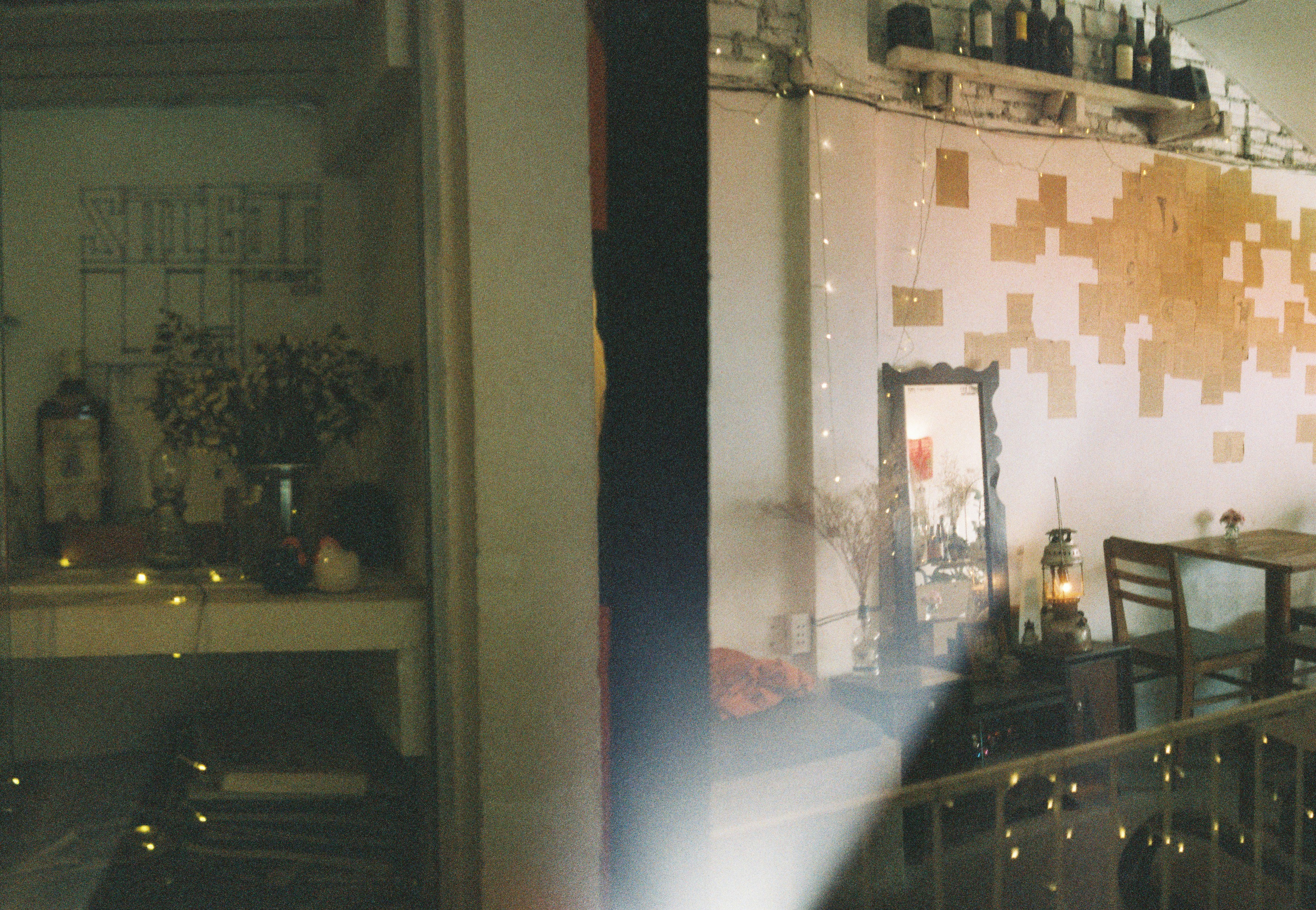
Introduction to DIY Interior Decoration
The concept of DIY interior decoration has gained remarkable popularity among homeowners, allowing individuals to take control of their living spaces and personalize their environments. DIY, or “Do It Yourself,” refers to the practice of creating or modifying items for home décor without the direct assistance of professionals. This approach not only fosters creativity but also instills a sense of pride and satisfaction as individuals witness their ideas come to life. With a range of options available for home improvement, DIY projects have emerged as a significant trend in home décor.
One of the primary advantages of engaging in DIY interior decoration is cost-saving. By opting to undertake projects independently, homeowners can significantly reduce expenses associated with hiring professional decorators or contractors. Furthermore, DIY projects often require a minimal investment in terms of materials, as they frequently utilize repurposed or upcycled items. This economical approach not only benefits one’s budget but also encourages environmental sustainability through the recycling of materials.
Beyond financial benefits, DIY interior decoration serves as an outlet for creativity. It enables homeowners to explore and define their unique styles, moving away from the conventional and mass-produced elements often found in retail stores. Engaging in DIY projects, such as creating custom furniture, designing wall art, or refurbishing vintage items, allows individuals to experiment with colors, textures, and themes that resonate with their personal aesthetic.
Additionally, the satisfaction derived from completing a DIY project cannot be overstated. Transforming a space through one’s own efforts fosters a sense of achievement and encourages pride in one’s living environment. Ultimately, DIY interior decoration is not just about home improvement; it represents a journey of self-expression and creativity that empowers homeowners to bring their visions to life.
Choosing a DIY Project that Fits Your Style
When embarking on a DIY journey, it is crucial to select a project that aligns with your personal style and complements the overall theme of your home. The initial step in this process is to assess your current decor. Take a thorough look around your living space and identify what elements resonate with you. Consider the colors, textures, and themes currently present in your home. This will serve as a foundation for selecting a project that harmoniously integrates with your existing decor.
Next, reflect on the areas that you believe could benefit from enhancement or transformation. Are there any spaces that feel unfinished or lack a personal touch? Identifying these areas can guide you toward projects that not only beautify but also enhance functionality. For example, if your living room feels sparse, you might consider creating a custom shelving unit or a decorative accent wall. On the other hand, if you have a cozy reading nook, a handmade bookshelf could elevate that space’s charm while catering to your needs.
Moreover, understanding your individual preferences is vital. Each person’s aesthetic is unique, often influenced by personal experiences and inspirations. Take time to explore different design styles—such as minimalism, bohemian, or industrial—before finalizing a project. Platforms like Pinterest or interior design blogs can offer an abundance of ideas and visual stimulation to help narrow down your choices. Additionally, consider your skill level and the time you can commit. A project that excites you and is achievable within your capabilities will yield the most satisfying results.
Ultimately, choosing the right DIY project involves a blend of self-reflection and creative exploration. By assessing your current environment, identifying areas for improvement, and aligning with your personal style, you can embark on a rewarding journey towards crafting stunning home interior decorations.
Essential Tools and Materials for DIY Projects
Embarking on a DIY interior decoration project requires a well-equipped toolkit and a selection of quality materials to achieve impressive results. Here, we will outline the essential tools and materials that cater to a range of DIY projects, from simple painting tasks to more complex woodworking or upholstery endeavors.
First and foremost, a basic toolkit should include a set of hand tools such as a hammer, a screwdriver set (both flathead and Phillips), pliers, and a utility knife. These tools are fundamental for most DIY projects and can be acquired affordably from local hardware stores or online retailers. Additionally, a measuring tape, level, and square tool are vital for ensuring accuracy in your work, particularly when hanging shelves or creating custom furniture.
When it comes to painting, which is one of the most common DIY activities, it is essential to have high-quality brushes, rollers, and painter’s tape to ensure clean lines. For those looking to add color to upholstery, staple guns and fabric scissors will prove invaluable. Always choose fabrics that not only align with your aesthetic vision but also offer durability and sustainability. Natural fibers often provide a good balance between style and longevity.
In woodworking projects, recommended materials include a variety of plywood, MDF, or solid hardwood depending on your skills and budget. Power tools, while not completely necessary for beginners, can greatly enhance efficiency and output quality. If you’re venturing into carpentry, consider investing in a circular saw, drill, and jigsaw. Remember to prioritize safety; protective gear such as goggles and dust masks shouldn’t be overlooked.
Sourcing these tools and materials sustainably can further elevate your DIY experience. Local marketplaces, thrift shops, and community exchanges can yield hidden gems at reduced costs. By supporting local artisans or purchasing reclaimed materials, you not only save money but also contribute to environmental sustainability. Proper planning and consideration of your project needs will ensure that you are well-equipped to transform your home decor vision into reality.
Transformative Wall Decoration Ideas
Wall decoration plays a crucial role in transforming the aesthetics of a room, setting the ambiance, and reflecting personal style. By engaging in creative DIY projects, homeowners can easily elevate their interior spaces without incurring significant expenses. Here, we explore several impactful wall decoration ideas that can make a remarkable difference in the overall look of your home.
One popular technique is to create an accent wall using paint. This involves selecting a bold color that contrasts with the surrounding walls, thereby drawing attention to the feature wall. To achieve a stunning accent wall, prepare the area by measuring and marking the desired section, then applying painter’s tape for clean edges. High-quality paint, a roller, and a brush are essential materials for this project. Consider using a satin or semi-gloss finish, as these tend to reflect light beautifully, inviting a touch of elegance to the room.
Another excellent option is incorporating removable wallpaper, which is a versatile and temporary solution for wall enhancement. There is a vast array of designs available to suit diverse tastes, from intricate patterns to minimalist styles. The installation process is straightforward: clean the wall, measure, cut the wallpaper, and apply it using adhesive or peel-and-stick methods. Unlike traditional wallpaper, removable varieties allow for easy updates and changes without damaging the wall surface, making them an ideal choice for renters or those who might wish to refresh their decor regularly.
Lastly, creating unique wall art can serve as both a personal expression and a compelling focal point within a room. This could include framed photographs, canvas paintings, or even crafted items like woven wall hangings. To start, gather materials such as canvas, paint, or natural fibers. Design tips include considering color harmony with existing decor and arranging pieces in a gallery-style layout to add depth and interest. Each of these DIY projects not only enhances your interiors but also allows for personal creativity to shine through, putting a distinctive mark on your living space.
Upcycling Furniture for a Unique Touch
Upcycling is a transformative process that takes old or unwanted furniture and revamps it into unique, stylish, and functional pieces. This approach not only breathes new life into worn items but also aligns with sustainable practices by reducing waste. With a bit of creativity and determination, anyone can turn their old furniture into stunning decor that speaks to personal style. Here are some practical ideas to inspire your upcycling journey.
One popular method involves refinishing wooden furniture. Start by stripping off any existing paint or varnish using a safe chemical stripper or sandpaper. After the surface is clean and smooth, consider applying a fresh coat of paint or stain that complements your interior decor. For a modern touch, try adding a bold color or distressed finish. This simple update can convert a mundane piece into a focal point within your room.
Another exciting way to upcycle is through reupholstering. For instance, old chairs or sofas can be revitalized by changing the fabric. Choose a modern fabric with colors or patterns that reflect your tastes. With some basic sewing skills, reupholstering can elevate the aesthetic of a furniture piece while keeping it functional. You may also opt for fun DIY techniques like painting or stenciling patterns directly onto unsightly upholstery, adding character and personal flair.
Lastly, personalization is key in upcycling. Adding unique hardware, such as vintage knobs or handles, can completely alter the appearance of drawers and cabinets. For an unexpected twist, consider crafting new pieces from the remnants of outgrown furniture, like turning an old table into a set of shelves. These methods not only offer a great creative outlet but also allow for the development of distinctive home interiors that reflect your personal style.
Incorporating Plants into Your Decor
Integrating indoor plants into your home decor not only adds visual appeal but also improves air quality and promotes a sense of well-being. Plants act as natural air purifiers, absorbing toxins and releasing oxygen, thus contributing to a healthier indoor environment. Their vibrant colors and varied textures create a dynamic ambiance, enriching your living spaces. Moreover, the presence of greenery has been shown to reduce stress and enhance mood, making them a necessity in any thoughtfully designed interior.
When considering which plants to incorporate, select species that thrive in your specific living conditions. Low-light plants like pothos and snake plants are ideal for darker corners, while succulents and cacti prefer bright, direct sunlight. Additionally, consider the maintenance requirements of each plant; some species need frequent watering, while others are drought-resistant. Proper plant selection is crucial to ensure they flourish and contribute positively to your decor.
Engaging in DIY projects allows you to create unique plant holders that complement your interior design. Simple terrariums can be crafted using glass containers filled with soil and decorative elements such as pebbles or figurines. Vertical gardens offer another creative solution, especially in smaller spaces. These can be created using wall-mounted planters or repurposed materials, such as old pallets, to display a variety of plants in a stunning arrangement. By incorporating plants into your home decor through these DIY methods, you can personalize your space while reaping the benefits of greenery.
In conclusion, incorporating plants into your interior decoration scheme is a rewarding endeavor that enhances both aesthetic appeal and air quality. Through thoughtful selection and creative DIY projects, you can effortlessly bring life and vitality into your home.
Creating a Cozy and Inviting Atmosphere
Transforming your home into a cozy and inviting space can be achieved through a combination of thoughtful design choices and DIY projects. One of the most effective ways to create warmth is by incorporating soft textiles that enhance comfort. Crafting cozy throws and decorative cushions is a simple yet impactful DIY project that can instantly elevate the ambiance of any room. Choose fabrics like flannel, fleece, or soft cotton, which not only provide warmth but also add a touch of personality and color to your decor. For an easy DIY throw, consider repurposing old blankets or fabric remnants, stitch them together, and personalize your space with unique patterns and textures.
In addition to textiles, ambient lighting plays a crucial role in setting a cozy atmosphere. For instance, you can create your own pendant lights or wall sconces using materials such as wood, metal, or glass. Utilizing warm white or soft yellow bulbs can also enhance the inviting feel of your rooms. Consider implementing string lights or fairy lights as well, as they can provide both warmth and a whimsical touch, particularly when draped around windows or along shelves.
Another effective way to create an inviting atmosphere is through the use of scents. DIY projects such as handcrafted candles or essential oil diffusers can fill your home with warm, comforting aromas. Combining essential oils like lavender, vanilla, or eucalyptus can not only enhance relaxation but also create a calming environment. Furthermore, incorporating seasonal decorations, such as autumn leaves or winter pinecones, can bring warmth to your home, making it feel welcoming throughout the year.
By embracing these DIY ideas and making small adjustments, you can cultivate a home environment that truly invites comfort and relaxation. These simple projects inspire a sense of warmth and create a space where you and your guests can feel at ease.
Personalized Decor: Adding Your Own Flair
Personalizing your home decor can transform an ordinary space into a reflection of your individuality and creative spirit. By incorporating DIY elements such as photo displays, customized art pieces, and thematic decorations, you can create a home that resonates with your personality and brings a sense of comfort. One of the most enjoyable aspects of decorating your space is the opportunity to engage in creative projects that hold sentimental value.
One idea to personalize your space is to create a DIY photo display that captures memorable moments with family and friends. You can gather photographs that hold special meanings and arrange them creatively in a gallery wall format or in a decorative photo frame. There are numerous options for customization, such as using washi tape, string lights, or stencils that add a unique touch to your display. By intertwining your memories with artful presentation, you create a visual narrative that speaks to your life’s journey.
Another effective way to inject personality into your home is by designing your own art pieces. This could range from painting a canvas that embodies your favorite colors to creating a digital artwork using graphic design software. Not only does this enhance your living environment aesthetically, but it also fosters a deep emotional connection, as each artwork will represent a piece of your identity. Furthermore, engaging in this creative process can be therapeutic, providing you with a sense of accomplishment and pride.
The thematic decor approach also allows for significant personalization. Whether you prefer a coastal theme with nautical elements or a modern aesthetic with minimalistic designs, incorporating decor that resonates with your style can make a substantial impact. By selecting decor items that reflect your interests, passions, or experiences, you ensure that your home embodies your unique flair, ultimately enhancing your overall living experience.