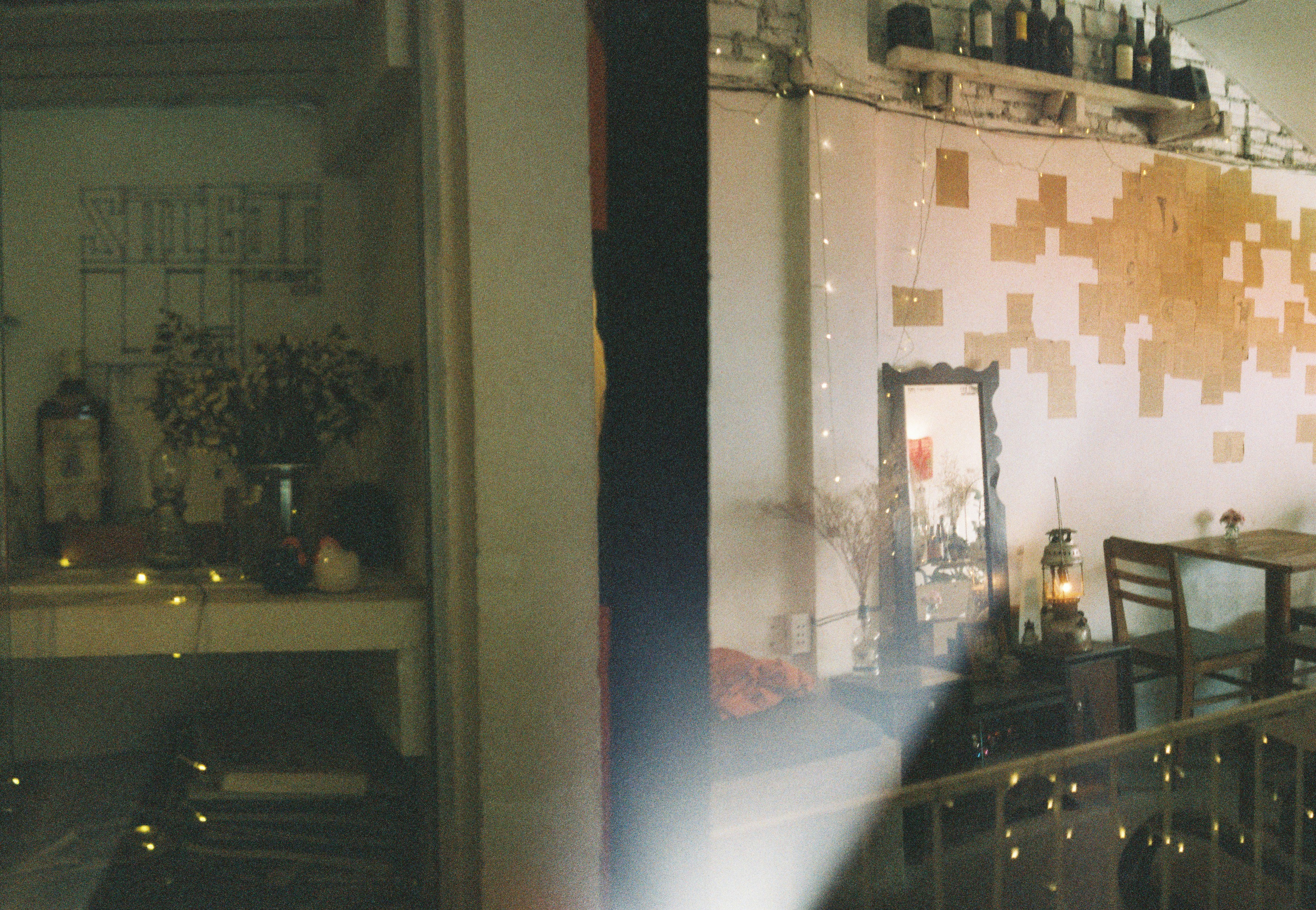
Introduction to DIY Interior Decoration
In recent years, the concept of DIY interior decoration has gained significant popularity among homeowners seeking to enhance the aesthetic appeal of their living spaces. DIY, or “do-it-yourself,” refers to the practice of creating or modifying items through one’s own efforts, often using readily available materials and tools. This approach not only allows individuals to save costs typically associated with hiring professionals, but it also fosters creativity and personal expression in home design.
One of the most prominent benefits of engaging in DIY interior decoration projects is the ability to tailor decor to one’s unique taste and preferences. By taking the initiative to craft personalized items, homeowners can showcase their individuality and transform their spaces in ways that store-bought solutions may not achieve. From handmade wall art to custom furniture refurbishments, DIY projects can provide distinctive touches that reflect the personality of those who inhabit the home.
Another advantage of DIY interior decoration is the opportunity for sustainability and environmental consciousness. Many DIY enthusiasts choose to repurpose existing materials or upcycle items that would otherwise be discarded. This practice not only reduces waste but also encourages the use of eco-friendly materials, contributing to a more sustainable lifestyle. The financial savings attached to these projects can also free up resources that might be allocated to other areas of home improvement.
As readers explore this blog post, they will discover a range of creative DIY ideas that can elevate their home’s decor while empowering them to embrace their artistic side. From simple crafts to more elaborate projects, there is a wealth of inspiration to be found in the realm of DIY interior decoration. Each suggestion serves as a stepping stone towards creating a living space that is not only beautiful but also deeply personal.
Choosing the Right Space for Your DIY Project
When embarking on a DIY interior decoration project, selecting the appropriate space in your home is a crucial first step. The right location can significantly influence the aesthetic outcome and overall success of your creative endeavor. To begin with, consider the size of the room where you plan to implement your DIY ideas. Larger spaces offer more flexibility and options for innovation, but they may also require more materials and time. Conversely, working in a smaller area can simplify the process but may limit the scope of your project.
Another important factor to evaluate is the existing decor within the chosen room. For a cohesive appearance, it is advisable to select a space that complements your current style and color palette. A well-planned DIY project should harmonize with the existing elements of the room, whether you are adding new features or refreshing older designs. By aligning your creative vision with the existing decor, you enhance the overall aesthetic, ensuring that the changes feel intentional and well-integrated.
Lighting is yet another crucial consideration when selecting a space for your DIY decoration project. Natural light can dramatically affect the ambiance and perception of colors in a room, making it essential to assess the lighting conditions. Spaces filled with natural light may inspire a more vibrant color scheme and bold creative choices. In contrast, dimly lit areas may benefit from lighter hues or reflective materials to enhance brightness. Evaluating these three key factors—room size, existing decor, and lighting—will empower you to identify the optimal locations for implementing your creative ideas effectively, ensuring a gratifying and enriching DIY experience.
Budget-Friendly DIY Decor Ideas
Decorating your home does not have to equate to overspending; in fact, budget-friendly DIY decor ideas can help you create a stylish environment without breaking the bank. One popular approach involves upcycling old furniture. By giving a fresh coat of paint or simply changing the knobs on a dresser, you can transform tired pieces into stand-out items. For instance, an old wooden chair can be revitalized with some vibrant paint, or an outdated table can be given new life through the application of a trendy decoupage. These simple alterations not only save money but also impart a unique character to your home.
Creating wall art from everyday items is another excellent strategy for budget-friendly DIY decor. Rather than purchasing expensive prints, consider using items you already have. This could include framing old fabric swatches, repurposing maps, or utilizing children’s artwork. Another idea could involve crafting a gallery wall with photos, mixed media pieces, and personal memorabilia; this unique display is both personal and economical. The use of household materials, such as leftover wood or fabric, can yield interesting and eye-catching results without significant investments.
Additionally, employing budget materials to craft unique decorative pieces allows for creativity without financial strain. Items like glass jars, scrap wood, or even tin cans can be repurposed into stylish vases, candle holders, or storage solutions. With a bit of creativity, these materials can embody charm and warmth, enhancing the interior of your home. Ultimately, implementing budget-friendly DIY decor ideas provides an opportunity for individual expression while maintaining financial responsibility. By planning carefully and utilizing available resources, you can decorate your home in a beautiful and economical manner.
Sustainable DIY Decoration Options
Considering sustainable DIY decoration options is essential in today’s world, as it not only enhances the aesthetic appeal of your home but also promotes environmental responsibility. One effective approach is to repurpose materials that might otherwise contribute to waste. For instance, old wooden pallets can be transformed into rustic furniture or wall art. By giving these items a new life, you reduce waste and create unique decor that tells a story.
Another aspect to explore is the use of organic or recycled supplies. Many craft stores now offer eco-friendly paints, natural textiles, and sustainable materials that can be easily integrated into your home projects. For example, using non-toxic paints for furniture restoration not only helps prevent harmful emissions but also results in a healthier indoor environment. Similarly, sourcing textiles made from organic cotton or recycled fibers contributes to sustainability while adding a touch of comfort to your living space.
Incorporating plants and natural elements into your decor is another excellent way to embrace sustainability. Indoor plants not only beautify your home but also improve air quality. Consider creating a vertical garden or using repurposed containers as planters to enhance both your decor and your environmental impact. Using natural elements such as stones, wood, and bamboo can also create a serene atmosphere while reinforcing a connection to nature.
Ultimately, sustainable DIY decoration options allow you to express your creativity while being mindful of the planet. By repurposing materials, utilizing organic and recycled supplies, and incorporating plants, you can cultivate an eco-friendly home that reflects your values and style. This approach demonstrates that innovative design can go hand in hand with environmental consciousness, reinforcing the idea that sustainability in home decor is both feasible and attractive.
Incorporating Personal Touches and Family Memories
In the quest for a unique and inviting home ambiance, the integration of personal touches and family memories is paramount. These elements not only enhance the aesthetic appeal of your living space but also imbue it with a sense of warmth and character that is distinctly your own. When embarking on DIY interior decoration projects, consider the significance of incorporating photographs, heirlooms, and meaningful objects into your decor.
Family photographs serve as an excellent way to personalize your home. Arranging and displaying these images in creative frames can turn walls into heartfelt galleries celebrating cherished moments. For a more refined look, create a cohesive gallery wall by using frames in similar colors or styles, while mixing various sizes and layouts. This blend of artistry and nostalgia transforms simple spaces into vibrant repositories of family history.
Heirlooms, such as vintage furniture pieces or family keepsakes, not only serve practical purposes but also narrate stories of your lineage. Incorporating such items into your decor allows you to maintain a tangible connection to your past while introducing a unique historical flavor to your home. For instance, an antique clock or a set of silverware can act as focal points that attract attention and provoke conversations.
Beyond photographs and heirlooms, consider integrating objects that reflect personal interests or achievements. Items such as travel souvenirs, artistic pieces created by family members, or books with meaningful inscriptions can enrich your home’s atmosphere and tell your story. Transforming everyday items into decor allows for creative expression while ensuring each room resonates with the personalities of the occupants.
In conclusion, by thoughtfully incorporating personal touches and family memories into your DIY interior decoration projects, you create an environment that truly represents who you are. These unique elements enhance the charm of your home while fostering a comforting sense of belonging.
Innovative DIY Wall Decor Ideas
Transforming your home’s interior can be effectively achieved through innovative DIY wall decor ideas. A popular approach is crafting a gallery wall, which allows for a personalized collection of photographs, artwork, and other memorabilia to be displayed creatively. Selecting frames of varying sizes and colors can add depth and interest. Arrange the pieces in a cohesive yet dynamic fashion, considering both spacing and alignment. This method not only beautifies a room but also provides an opportunity to showcase your personality and experiences.
Another engaging option is to create wall hangings using yarn or fabric. Macramé, for instance, can provide a bohemian flair while simultaneously serving as a textural element. Alternatively, framed fabric pieces can be a stunning focal point, especially when utilizing bold patterns or colors that resonate with the overall theme of your space. These projects can be customized to fit any room’s aesthetic, enhancing not just the visual appeal but also adding a layer of comfort to the environment.
Employing decals or stencils is yet another inventive way to redefine your wall decor. Stencil designs can be applied to paint, wallpaper, or even wood, allowing flexibility in materials and styles. This technique offers the ability to create unique patterns or imagery that reflect your tastes. Additionally, wall decals are available in a multitude of designs, ranging from minimalist to intricate, making it easy to find something that complements existing decor. Furthermore, they can be seamlessly removed and replaced, providing an opportunity for continual refreshment of your interior layout.
All these innovative DIY wall decor projects provide an opportunity to express creativity while enhancing the aesthetic appeal of any room. Engaging in these activities can be both fulfilling and transformative, resulting in a space that truly feels like home.
DIY Furniture Makeovers
Transforming worn-out or outdated furniture into stunning focal points for your home can be an enjoyable and rewarding project. The first technique involves painting. A fresh coat of paint can dramatically alter the appearance of a piece. Opting for bold colors can introduce vibrancy, while neutral tones might provide a classic touch. For a professional appeal, it is recommended to properly prepare the surface by sanding and cleaning it before applying primer and paint. Consider using a spray gun for a smooth finish or a brush for a more textured look, depending on the desired outcome.
Another effective method is distressing. This technique gives furniture an aged or vintage look, adding character and charm. Distressing typically involves sanding corners and edges or using techniques such as dry-brushing with a contrasting paint color. This can create visual interest alongside the natural wear and tear that develops over time, enhancing the piece’s overall aesthetic.
Reupholstering is a further way to breathe new life into furniture, particularly for items like chairs or sofas. By selecting a fresh fabric that aligns with your decor style, you can create a cohesive look throughout your home. Basic tools will suffice for those willing to take on this project, and tutorials can provide guidance for those new to the craft. Additionally, consider embellishments such as trim or decorative pillows, which can not only enhance the visual appeal but also add a personal touch.
By combining these techniques, you can successfully revitalize furniture that may otherwise be deemed unfit for use. Such DIY furniture makeovers not only offer an outlet for creativity but also contribute to a sustainable lifestyle, as they promote the reuse and upcycling of existing materials. Engaging in these projects can lead to personalized pieces that resonate with your style and reinforce your home’s identity.
Seasonal DIY Decor for a Fresh Look
Adapting your home decor to reflect the changing seasons can significantly enhance your living space, creating an inviting atmosphere that resonates with nature’s rhythms. Seasonal DIY decorations are a wonderful way to keep your home fresh and vibrant throughout the year. One effective approach is to create holiday-specific decorations that celebrate the essence of each season. For instance, in the winter months, consider crafting festive wreaths adorned with pinecones and holly, or you can create beautiful centrepieces featuring seasonal fruits and candles. These small touches can make a significant impact on your overall ambiance.
In addition to holiday-themed creations, changing color schemes according to the seasons can breathe new life into your decor. Warmer, earthy tones are ideal for autumn, while bright pastels evoke a sense of rejuvenation during spring. Consider painting accent walls or using removable wallpaper for a quick transformation. Incorporating throw pillows and blankets that reflect seasonal colors not only adds elegance but also comfort to your space. Through these simple adjustments, rooms can feel entirely different, providing a fresh look without extensive renovations.
Another engaging DIY project to embrace the current season is to create nature-inspired decor. For example, gather fallen leaves and use them to craft wall art, or construct a rustic arrangement of twigs and flowers that reflects the natural beauty around you. Seasonal crafts not only allow for artistic expression but also connect your home environment with the changing landscape outside.
By embracing these practices, homeowners can maintain a dynamic and inviting environment year-round. With seasonal DIY decor, every time the seasons shift, it offers an opportunity to refresh your home and renew your spirit.