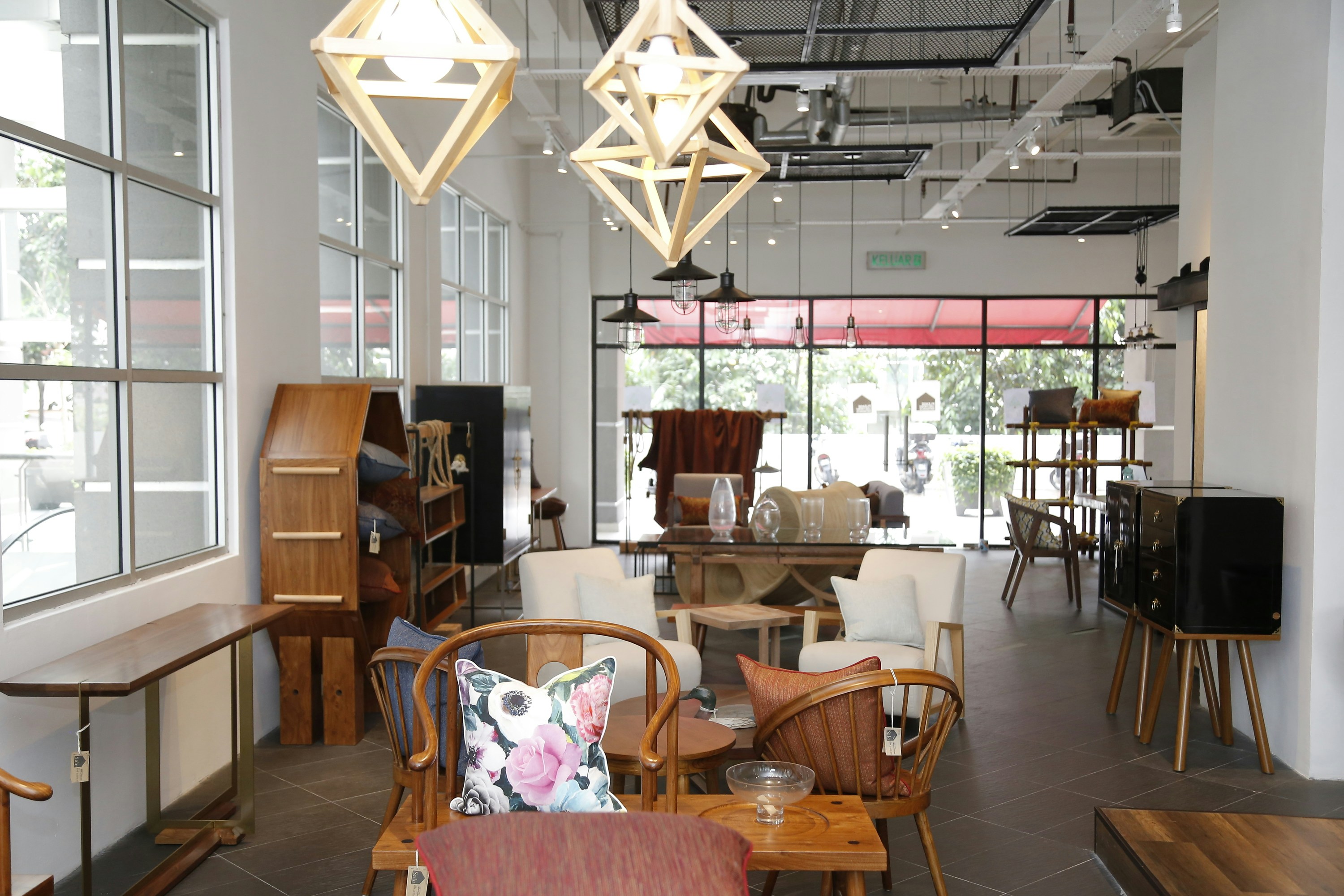
Introduction to Modern Home Decoration
Modern home decoration has become a crucial element in establishing a conducive living environment. It encapsulates the entirety of one’s personal style while reflecting contemporary trends that prioritize minimalism and functionality. Today’s focus embraces the idea that a home should not only serve as a shelter but also as a reflection of individual identity, thereby creating a welcoming and stylish atmosphere for inhabitants and guests alike.
In recent years, there has been a significant shift towards modern home decoration, placing emphasis on simplicity and clean lines. This movement encourages the use of neutral palettes enriched with bold accents, promoting a serene yet visually appealing living space. Key trends, such as open floor plans, multifunctional furniture, and innovative storage solutions, also define the characteristics of modern interiors. These trends not only enhance aesthetic appeal but also improve the practicality of available space.
Engaging in DIY projects presents an excellent avenue for homeowners to infuse personal touches into their living spaces without incurring substantial expenses. Through creative and hands-on approaches, individuals can craft unique furniture pieces and decorative elements that embody their vision while adhering to modern design principles. Moreover, DIY initiatives often allow for the recycling and upcycling of materials, contributing to environmental sustainability while maintaining style.
By participating in DIY modern home decoration, individuals can cultivate a tailored environment that resonates with their preferences. This not only resulted in cost savings, but also fosters a sense of pride and accomplishment in creating a distinct, stylish home. As aspirations for elegant spaces grow, the significance of modern design and personalized decoration through DIY methods continues to flourish, transforming ordinary dwellings into extraordinary representations of self.
Essential Tools and Materials for DIY Furniture Projects
Embarking on a DIY furniture project requires a well-equipped toolkit and specific materials tailored to your design ambitions. Understanding the essential tools will empower you to create sturdy and aesthetically pleasing pieces without relying on commercial alternatives. Firstly, a variety of saws is crucial for effective cutting of wood. Hand saws, circular saws, and jigsaws each serve different purposes; thus, having these tools can facilitate accurate measurements and clean cuts. A drill is another indispensable tool, allowing you to make precise holes for screws or dowels, enhancing durability and stability in your furniture.
In addition to saws and drills, sanders play a critical role in the finishing stages of your project. An orbital sander helps to smooth rough edges and prepare the wood surface for paint or varnish. Complementing these tools, a set of screwdrivers and a tape measure are vital for assembly and proper measurements, ensuring every piece fits perfectly together.
Next, selecting the right materials is essential for achieving the desired look and functionality. Different types of wood can drastically influence the outcome of your project. For instance, pine is lightweight and easy to work with, making it ideal for beginners, while hardwoods like oak and walnut offer durability and a more refined finish. In terms of aesthetics, paints and finishes are the final touches that breathe life into your creations. Opting for water-based paints or stains can enhance the wood grain while providing a protective layer, thus ensuring longevity.
In conclusion, having a thorough understanding of the necessary tools and materials is key to the success of your DIY furniture projects. By investing in quality equipment and selecting materials that align with your vision, you can transform any space in your home with fashionable and functional furnishings.
Choosing a Design Style: Minimalism, Industrial, and More
When embarking on a home decoration journey, understanding the various design styles is crucial in creating a cohesive and aesthetically pleasing environment. Among the prominent styles, minimalism, industrial, and Scandinavian designs stand out for their unique characteristics and appeal.
Minimalism is characterized by simplicity and an emphasis on functionality. This style incorporates a neutral color palette, clean lines, and open spaces, promoting an uncluttered atmosphere. To embrace minimalism in your space, consider investing in furniture that serves multiple purposes, such as a sleek coffee table with storage capabilities or a foldable dining table. Less is indeed more in this style, as it allows for a tranquil environment, prioritizing space and light.
On the other hand, the industrial style draws inspiration from warehouses and factories, showcasing raw materials and a rustic charm. Exposed brick walls, steel beams, and wooden elements are common features. This approach often incorporates bold colors and statement pieces, such as vintage lighting fixtures or reclaimed wood furniture, which can be excellent conversation starters. To achieve an industrial look, consider combining new furniture with vintage finds, blending the past with contemporary styles.
Scandinavian design is renowned for its functionality and connection to nature. Characterized by simplicity, minimalism, and a light color palette, this style emphasizes warmth and comfort. Furniture typically features natural materials like wood and textiles that create a cozy feel. Incorporating plants can also enhance this style by bringing a touch of the outdoors inside. To elegantly transition to Scandinavian design, select furniture pieces with organic shapes and textures that invite relaxation.
Choosing the right design style ultimately depends on your personal preferences and the existing characteristics of your space. Assess the size, lighting, and functionality of each room to determine which style aligns best with your vision formodern home decoration.
Step-by-Step DIY Furniture Projects for Your Home
Creating your own furniture can be an exciting and rewarding endeavor, allowing you to personalize your living space while often saving money. Below are several step-by-step DIY furniture projects that are not only easy to follow but also stylish and functional.
1. Simple Pallet Coffee Table
Materials Needed: Wooden pallets, sandpaper, wood stain or paint, casters (optional).
Tools Required: Saw (if modifications are needed), paintbrush, and measuring tape.
Instructions: Start by preparing the pallets by sanding them until smooth. If you want to modify the size, use the saw to cut the pallets to your desired dimensions. Next, apply a wood stain or paint to enhance the look of the table. Once dry, you can choose to attach casters if you want a mobile coffee table. This piece is fantastic for a rustic or modern aesthetic.
2. Floating Shelves
Materials Needed: Wooden boards, brackets, screws, and wood finish.
Tools Required: Drill, level, and screwdriver.
Instructions: Select the size of the wooden boards according to the space you have available. First, finish the wood with a desired stain or paint. Mark the wall where the shelves will be installed, ensuring that levels are used for a straight placement. Secure the brackets to the wall using screws and then attach the wood boards securely, creating a functional storage solution that showcases your decor.
3. Reupholstered Dining Chairs
Materials Needed: Old dining chairs, fabric, foam padding, and stapler.
Tools Required: Screwdriver and scissors.
Instructions: Remove the seat cushion from each chair and take off the old fabric. Cut new foam padding to fit and place it over the seat, followed by cutting the new fabric to size, ensuring you have enough to staple underneath. Reattach the seat to the chair frame. This project provides an opportunity to customize your dining area with colors and textures that suit your personal style.
These projects serve as a foundation to inspire creativity while updating your home decor. With some basic materials and tools, you can create custom furniture that enhances your living space and reflects your individuality.
Incorporating Color and Patterns into Your Decor
Color and pattern play a pivotal role in modern home decoration, serving not only aesthetic purposes but also influencing mood and atmosphere. Understanding color theory is essential when embarking on a decorating project, as it can lead to thoughtful choices that resonate with the intended ambience. Different color palettes evoke various emotions; for instance, warm hues like reds and oranges can create a dynamic and inviting space, while cool tones such as blues and greens may promote tranquility and relaxation. Knowing how to utilize these colors effectively can transform the atmosphere of any living area.
To begin, consider starting with a neutral base—think white, beige, or light gray walls and larger furniture pieces. This foundation allows for the incorporation of bolder colors and intriguing patterns without overwhelming the visual space. Once the base is established, select a color palette that reflects personal tastes while harmonizing with existing elements. For a modern touch, consider a monochromatic scheme paired with accent colors or complementary shades to create depth and interest.
Mixing patterns requires a thoughtful approach to maintain consistency and cohesion. A general guideline is to combine patterns of different scales; for instance, pair a large geometric print with smaller motifs. Keep in mind the color scheme, ensuring that at least one color is shared among the various patterns to visually connect them. Additionally, utilizing textured materials such as fabrics and wallpapers can provide dimension while further enhancing the designed patterns in your decor.
Practical tips for introducing color through furniture include adding statement chairs or accent tables in unique hues, and utilizing accessories such as cushions or rugs to incorporate patterns that reflect the established palette. By thoughtfully integrating color and patterns, you can create a modern, cohesive decor that not only reflects your personality but also transforms your space into a harmonious environment.
Sustainable Furniture Options: Eco-Friendly DIY Projects
As the world increasingly prioritizes sustainability, eco-friendly home decoration has emerged as a significant trend in modern design. Creating stylish interiors with minimal environmental impact is now achievable through various DIY projects that utilize sustainable materials. By opting for reclaimed wood, recycled elements, and non-toxic paints, homeowners can contribute to environmental conservation while enhancing their living spaces.
One compelling option for sustainable furniture is the use of reclaimed wood. This material, salvaged from old buildings, barns, or furniture, not only reduces waste but also adds character and charm to new pieces. When crafting items such as tables or shelves, reclaimed wood offers unique textures and colors that can make each piece one-of-a-kind. Furthermore, reclaiming wood saves trees and decreases the demand for new timber, making it a compelling choice for eco-conscious decorators.
In addition to reclaimed wood, using recycled materials can greatly enhance the sustainability of furniture projects. Items such as old pallets or crates can be transformed into functional furniture pieces, like coffee tables or seating options, with a bit of creativity and effort. Choosing recycled materials not only diverts waste from landfills but also minimizes the need for new raw materials, ultimately reducing your carbon footprint.
Moreover, the selection of non-toxic paints and finishes is crucial in sustainable decoration. Conventional paints often contain harmful chemicals that can emit volatile organic compounds (VOCs), which are detrimental to both health and the environment. By opting for non-toxic alternatives, homeowners can ensure that their decorating choices support both their well-being and the planet’s health.
By exploring these eco-friendly furniture options and DIY projects, individuals can embrace sustainability without compromising style. Creating a modern, inviting home can align with environmental values and foster a responsible approach to home decoration.
Upcycling Ideas: Refreshing Old Furniture
Upcycling is a sustainable approach that allows individuals to breathe new life into old furniture, making it stylish and functional. With a few imaginative techniques, such as painting, reupholstering, and repurposing, readers can turn forgotten items into vibrant focal points within their homes. This practice aligns with both environmental consciousness and modern home decoration trends, proving that innovative design does not require the purchase of new pieces.
One of the most straightforward upcycling methods is painting. A fresh coat of paint can dramatically change an outdated piece. For wooden furniture, consider using a chalk paint for a matte, vintage appearance or a high-gloss finish for a modern touch. Choosing bold colors can create a stunning accent, while neutrals provide a classic look. Don’t shy away from using stencils or decoupage for added creativity, as these techniques allow for personal expression and customization.
Reupholstering is another effective method to revamp old furniture. By replacing worn-out fabric or cushions with modern textiles, one can achieve a completely new aesthetic. Patterns and textures are essential elements in the upcycling process; mixing various fabrics can create a vibrant, eclectic style. Additionally, consider using recycled fabrics to enhance the sustainable aspect of your project.
Moreover, repurposing old furniture into something entirely different is a unique way to showcase creativity. For example, an old ladder can be transformed into a bookshelf, while a vintage trunk can serve as a stylish coffee table. These innovative uses not only utilize existing materials but also tell a story, reinforcing one’s personal style in home decoration.
Overall, upcycling offers an opportunity to merge creativity with functionality, allowing people to reimagine their spaces while being environmentally respectful. By implementing these refreshing ideas, old furniture can become an integral part of modern home decor.
Accessorizing Your Space: The Importance of Decor
Accessorizing is an essential aspect of home decoration that significantly enhances the overall aesthetic and functionality of any space. Selecting the right decor items involves understanding how various elements work together to create an inviting atmosphere. Key components of effective accessorizing include art, greenery, textiles, and lighting, each playing a vital role in transforming an environment into a cohesive haven.
Artwork can act as a statement piece, injecting personality and color into your home. When selecting wall art, consider the style and theme of your DIY furniture projects. Abstract pieces can evoke modernity, while landscapes and classical art may offer a traditional touch. The aim is to choose pieces that reflect your personal taste while harmonizing with the overall interior design. Hanging artwork at eye level and arranging pieces in a gallery style can also add depth and interest.
Incorporating greenery into your decor can breathe life into your living space. Plants not only enhance visual appeal but also improve air quality. Selecting low-maintenance options like succulents or snake plants makes this endeavor both attractive and practical. Strategically placed potted plants or hanging planters can create a natural flow in your environment, bridging gaps between furniture and decor elements.
Textiles, such as cushions, throws, and rugs, serve to soften the hard surfaces of furniture and can introduce texture and warmth. Opt for fabrics that complement the color scheme of your space while adding comfort and style. Layering different textiles can also create a cozy atmosphere, making your home feel more inviting.
Finally, lighting plays a crucial role in establishing the mood within a room. A combination of ambient, task, and accent lighting can enhance features of your decor while providing functional illumination. Consider pendant lights over a dining table or strategically placed floor lamps to create a well-balanced lighting scheme.
Final Thoughts: Building Your Dream Home with DIY Techniques
Embarking on a DIY journey to modern home decoration stands as an exciting opportunity for individuals to express their creativity and personal style. The process of designing and fabricating unique furniture pieces not only enhances the aesthetic of one’s living space but also fosters a sense of accomplishment that is both rewarding and fulfilling. Rather than opting for mass-produced items, many homeowners are discovering the joys of crafting their own furnishings, allowing their interiors to reflect their individual preferences and personality.
The beauty of DIY projects lies in their accessibility; almost anyone can undertake these creative endeavors regardless of their prior experience. With a myriad of resources available, from online tutorials to community workshops, learning new techniques has never been easier. By experimenting with different materials, styles, and finishes, individuals can cultivate an environment that is genuinely reflective of their tastes. Whether it’s upcycling vintage pieces or building furniture from scratch, incorporating personal touches into home décor is a liberating experience.
Moreover, the process of DIY modern home decoration enables one to not only customize their space but also to take a sustainable approach to interior design. By sourcing materials locally or repurposing old furniture, you are actively contributing to a more eco-conscious lifestyle, which resonates with the values of many contemporary homeowners. As creativity flourishes and ideas come to life, the satisfaction derived from completing a project can be immense.
Ultimately, the journey of crafting stylish furniture and transforming your space is about more than just aesthetics. It is about building a home that epitomizes your dreams and aspirations. So, take the leap, gather your tools, and embrace the art of DIY – the home of your imagination awaits.