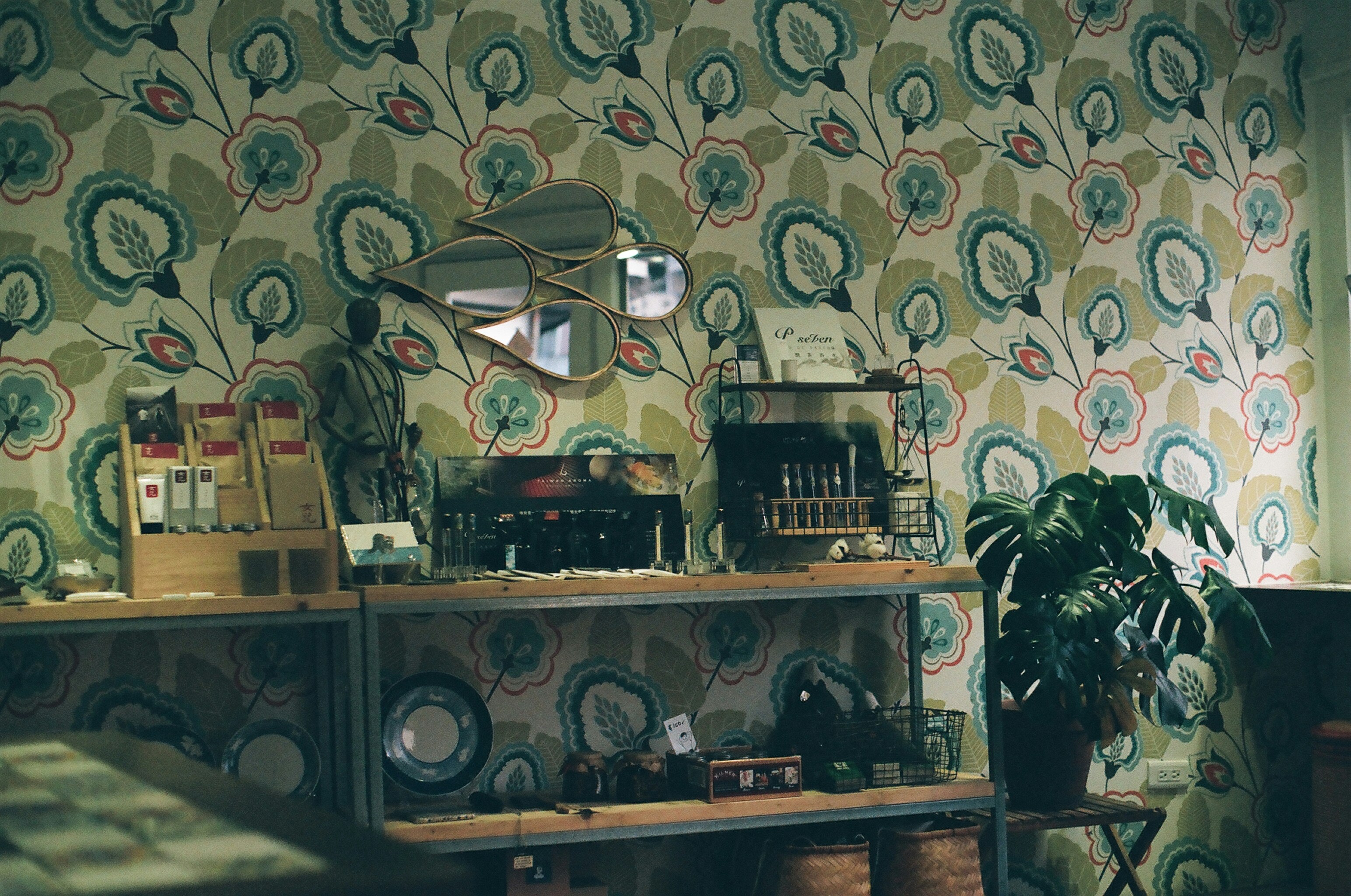
Introduction to DIY Interior Decoration
The concept of DIY interior decoration has gained considerable traction in contemporary home design, blending creativity with practicality. DIY, short for “do it yourself,” encourages individuals to take control of their living spaces, facilitating a transformation that reflects their unique tastes and preferences. Embracing this approach allows homeowners to tailor environments that resonate with their personality, ultimately enhancing the overall aesthetic of their interiors.
One of the significant advantages of DIY interior decoration is cost savings. Engaging in projects such as crafting your own cat furniture or patio furniture can substantially reduce expenses compared to purchasing ready-made items from retail stores. This fiscal benefit is particularly appealing for those looking to create stylish spaces without exorbitant investments. Additionally, DIY projects frequently require only basic materials and tools that many homeowners already possess, making the approach accessible and appealing to a broad audience.
Moreover, personalizing spaces is another key aspect of the DIY movement. Every homeowner has unique tastes, and through creative endeavors, one can curate an environment that genuinely reflects individual style. Whether it be through painting walls, refurbishing furniture, or constructing custom DIY cat furniture, each element contributes to a cohesive design narrative that speaks of the homeowner’s identity.
The satisfaction derived from creating something unique cannot be understated. As individuals engage in DIY projects, they foster a sense of accomplishment that comes from transforming ordinary items into extraordinary decor. This emotional investment often results in a deeper connection to one’s home, uplifting the overall living experience.
In conclusion, DIY interior decoration offers a myriad of benefits, from financial savings to personalized expression. By embracing the DIY philosophy, homeowners can successfully transform their spaces, creating environments that are not only functional but also reflective of their own style and personality.
Choosing Your DIY Style
When embarking on a DIY home decor project, the first step is to identify a style that resonates with your personal aesthetic and lifestyle. Popular interior design styles include rustic, modern, bohemian, and industrial, each offering unique characteristics and elements that can be incorporated into your projects. Understanding these styles will allow you to create a cohesive and personalized atmosphere in your home.
The rustic style is characterized by its embrace of natural materials and textures. It often features a warm color palette and an emphasis on handmade furniture. Consider creating DIY cat furniture using reclaimed wood or repurposed materials that reflect this style, enhancing the coziness of your home while catering to your feline friend’s needs.
In contrast, modern decor emphasizes clean lines and minimalism. A DIY patio furniture project can easily fall into this category by utilizing geometric shapes and a monochromatic color scheme. By choosing simple materials like metal and glass, you can achieve a sophisticated look that complements contemporary outdoor spaces.
The bohemian style is vibrant and eclectic, inviting a mix of colors, patterns, and cultural influences. Incorporating DIY projects that include colorful textiles, handmade wall art, or eclectic shelving can help to enhance this free-spirited aesthetic in your interiors. When implementing this style, don’t hesitate to mix and match elements to reflect your individuality.
Lastly, the industrial style integrates raw materials such as steel and exposed brick. It presents an opportunity to create DIY furniture that showcases these elements, giving your home a unique character reminiscent of urban lofts. Emphasizing functionality and simplicity will help you embrace this style effectively.
While selecting your DIY style, it is crucial to also take into consideration your existing home features and personal tastes. Harmonizing your DIY choices with the architecture and overall ambiance of your home will ensure a collected look that feels intentional rather than disjointed.
Essential Tools and Materials for DIY Projects
Embarking on DIY projects, particularly in the realm of interior decoration, necessitates adequate preparation with the right tools and materials. A successful outcome often hinges on having the appropriate equipment at hand. Essential tools include hammers and screwdrivers, which are indispensable for assembling or disassembling furniture and fixtures. Additionally, a drill is critical for projects that involve wood or wall installations, providing the ability to create precise holes and secure objects effectively.
Beyond these basics, measuring tapes and levels ensure that your projects are not only functional but visually appealing as well. Ensuring that surfaces are even and measured correctly can significantly enhance the aesthetics of your work, whether you are building DIY cat furniture or creating a handy storage solution for your patio items.
When it comes to sourcing materials, it is advisable to consider local hardware stores for high-quality wood and fasteners. Many stores also offer a selection of eco-friendly materials, which are becoming increasingly popular among DIY enthusiasts. Alternatively, online platforms can provide a wider variety of choices, including specialty items that may be crucial for unique projects like custom patio furniture or specialized home decor items.
Equally important is the emphasis on safety measures throughout your DIY journey. Wearing safety goggles to protect your eyes from dust and debris, and ear protection when using power tools will help safeguard your well-being. It is also prudent to use gloves when handling materials to avoid injuries. By assembling the right tools and ensuring proper safety protocols, you will be well-prepared to tackle any DIY project, ranging from crafting your own furniture to embarking on larger renovation tasks.
Budgeting for Your DIY Projects
Creating your own home decor can be an exhilarating yet financially challenging endeavor. To embark on the journey of DIY interior decoration effectively, it is vital to establish a well-planned budget. Begin by prioritizing your spending based on the importance of each project. For instance, if you require new diy cat furniture or wish to enhance the outdoor space with diy patio furniture, allocate a larger portion of your budget to these essentials. Assess your current decor and identify which areas could make the most significant impact if improved.
Setting a realistic budget involves evaluating your financial capacity and the costs associated with your planned projects. Consider not only the materials required for stylish diy furniture but also any tools that you might need to complete your tasks. Research local prices and explore various suppliers to ensure you can find cost-effective alternatives without compromising on quality. Shopping for materials during off-seasons or using recycled items can yield significant savings.
When planning your DIY projects, creating a detailed list of tasks and corresponding expenses can help you stay within budget. Utilize spreadsheets or budgeting apps that allow you to input expenses as you proceed. This real-time tracking can provide insight into how much you are spending and whether adjustments need to be made to prevent overspending.
Moreover, break down larger projects into manageable phases, which can alleviate financial burden in the short term while still allowing for ongoing improvements. As you work through various DIY endeavors, remember that creativity often thrives within limitations. By following these budgeting strategies, you not only empower your DIY projects but also ensure a more enjoyable and less stressful decoration experience in your home.
Step-by-Step DIY Projects for Each Room
Transforming your home can be a fulfilling endeavor, particularly when engaging in diy furniture projects that add a personal touch to your spaces. In this section, we will outline a variety of approachable DIY projects tailored to different rooms in your home, enabling you to unleash your creativity without feeling overwhelmed.
Let us start with the living room, where creating a gallery wall can serve as a stunning focal point. To embark on this project, gather an assortment of frames in various sizes. Plan your layout on the floor before attaching the frames to the wall, ensuring a balanced aesthetic. Incorporate art, photographs, or even colorful fabric pieces to curate a unique display that reflects your style.
Moving on to the bedroom, consider crafting custom furniture pieces that elevate the space. A simple yet effective project is constructing a bedside table. You will need wooden planks, screws, and a paint or stain to align with your décor. Cut the planks to your desired dimensions and assemble them into a box structure, adding legs for height. Personalize it further by applying a finish that matches your bedroom’s palette.
For the kitchen, consider DIY patio furniture, which can be beneficial for both indoor and outdoor use. Start with old pallets or reclaimed wood that can be transformed into comfortable seating or stylish tables. Make sure to sand down any rough edges, then stain or paint them to suit your design preferences. A few cushions can add comfort and style, making your space inviting for guests.
Lastly, don’t overlook decorative elements. Simple projects like handmade planters from jars or painted mason jars can add character to any room. These small adjustments not only enhance the overall look but also provide a sense of accomplishment once completed.
Engaging in these step-by-step DIY projects not only allows you to infuse your personality into your home but also ensures each space is uniquely yours. Enjoy the journey of creative transformation!
Incorporating Eco-Friendly Practices
In recent years, there has been a significant shift towards sustainability in home decoration, leading many homeowners to adopt eco-friendly DIY practices. This growing trend emphasizes the importance of utilizing recycled materials, which not only conserves resources but also helps reduce waste in our landfills. By repurposing items that might otherwise be discarded, such as old wood or metal, individuals can create unique and functional pieces of furniture. For instance, a simple DIY cat furniture project can be crafted from reclaimed wood, giving cats a cozy space while promoting sustainable practices.
Another essential aspect of eco-friendly decorating is the use of low-VOC (volatile organic compounds) paints. Traditional paints often contain harmful substances that can negatively impact indoor air quality. Opting for low-VOC or VOC-free alternatives allows homeowners to enjoy a freshly painted space without compromising their health. This choice can be especially beneficial for those with allergies or sensitivities. Utilizing these paints in DIY patio furniture or indoor projects can significantly enhance the safety and comfort of your living environment.
Energy efficiency also plays a crucial role in eco-friendly home decoration. When undertaking DIY projects, selecting energy-efficient lighting options and appliances not only reduces utility bills but also minimizes your environmental footprint. For example, incorporating energy-efficient LED lights in your decor can brighten up your space while consuming less energy. By considering these choices during renovations or creative endeavors, homeowners can make a positive impact on both their homes and the environment.
Ultimately, incorporating eco-friendly practices in DIY decorating is a meaningful way to create a stylish and sustainable living space. As more individuals become aware of the benefits of these practices, the movement toward greener home interiors will likely continue to grow.
Personalizing Your Space with DIY Decor
Personalizing your living space through DIY decor is an enriching way to create a home that genuinely reflects your identity. The art of personalization involves integrating elements that resonate with your lifestyle, memories, and aesthetic preferences. One effective method is to choose a color scheme that speaks to you. Whether it’s a soothing palette of blues and greens, or vibrant hues that energize a room, the colors you select set a tone that showcases your personality.
Additionally, incorporating photographs or artwork that have personal significance can make a substantial impact. Artwork does not have to be from renowned artists; it can be your own creations or pieces that evoke cherished memories. Framing family photos or displaying travel souvenirs can serve as beautiful reminders of life’s milestones while simultaneously adding character to your decor.
Moreover, handmade items can provide a sense of uniqueness in your interior design. Engaging in DIY projects, such as crafting your own cat furniture or building patio furniture, not only assures that these pieces serve practical purposes but also adds a narrative to your decor. Each piece carries a story, reflecting your creativity and effort. By designing customized furniture, tailored to fit your space and style, you create an atmosphere that is distinctly yours.
In addition to aesthetics, these personal touches foster a sense of belonging and comfort. When guests enter your home, they will not just see a space filled with decor; they will experience a collection of stories, memories, and personal tastes harmoniously woven together. Ultimately, personalizing your space with DIY decor transforms a mere living area into a sanctuary that resonates with your individual identity and narrative.
Common Mistakes to Avoid in DIY Interior Decoration
Embarking on a DIY interior decoration project can be an exciting and fulfilling endeavor. However, many individuals fall prey to common mistakes that can hinder their efforts and lead to unsatisfactory results. One of the primary pitfalls is underestimating the time required to complete a project. Many people presume that they can quickly transform a space without considering the intricate details involved. It is essential to realistically assess the time commitment before starting, allowing for a buffer to accommodate unexpected challenges.
Another frequent error is over-complicating projects. While the creative aspect of DIY allows for personalization, excessive complexity can lead to frustration and ineffectiveness. For example, consider starting with simpler projects such as DIY cat furniture or DIY patio furniture, before moving on to elaborate designs. Simplifying your approach can make the process more manageable and enjoyable, fostering a sense of accomplishment.
Additionally, neglecting the importance of planning can significantly impact the outcome of a DIY project. Effective planning involves sketching out ideas, sourcing materials, and establishing a budget. Without a clear plan, individuals may encounter difficulties in coordinating different elements, resulting in wasted resources and time. Make sure to research extensively, especially when selecting materials; for instance, the specific needs of DIY cat furniture or the durability required for outdoor DIY patio furniture should be thoroughly considered.
Furthermore, failing to visualize the end result can lead to inconsistent styles or mismatched aesthetics. Always maintain a cohesive vision for your space. Utilizing samples and mood boards can help clarify your intentions and ensure that the DIY pieces you create align with your overall design goals. By avoiding these common mistakes, you can enhance your DIY experience and create beautiful, functional spaces in your home.
Conclusion: Embrace Your DIY Journey
Throughout this blog post, we have explored the transformative potential of DIY projects in enhancing one’s home environment. From crafting personalized home decor to creating functional and aesthetically pleasing furniture, the DIY approach encourages creativity and self-expression. Engaging in DIY cat furniture or DIY patio furniture projects not only allows individuals to tailor their spaces but also offers the rewarding experience of seeing one’s ideas come to life.
The process of creating handcrafted home decor is not just about the end product, but also about the journey. It fosters a sense of accomplishment and satisfaction, knowing that every piece was made with thought and care. Moreover, DIY projects provide the opportunity to infuse your personality into your living space, making it truly unique. The environmentally conscious aspect of using repurposed materials is an added benefit, as it contributes to sustainable living while enhancing the aesthetic appeal of your home.
As you embark on your own DIY adventures, remember that each project is a step towards honing your skills. Whether you dive into constructing intricate DIY patio furniture or simple yet effective DIY cat furniture, every effort counts in creating an inviting atmosphere. We encourage you to experiment, learn, and, most importantly, enjoy the creative process. Don’t hesitate to share your experiences, tips, and ideas with fellow DIY enthusiasts. Your insights could inspire others to embark on their own creative journeys. Embrace the challenge, have fun, and watch as your living space becomes a testament to your individuality and craftsmanship.