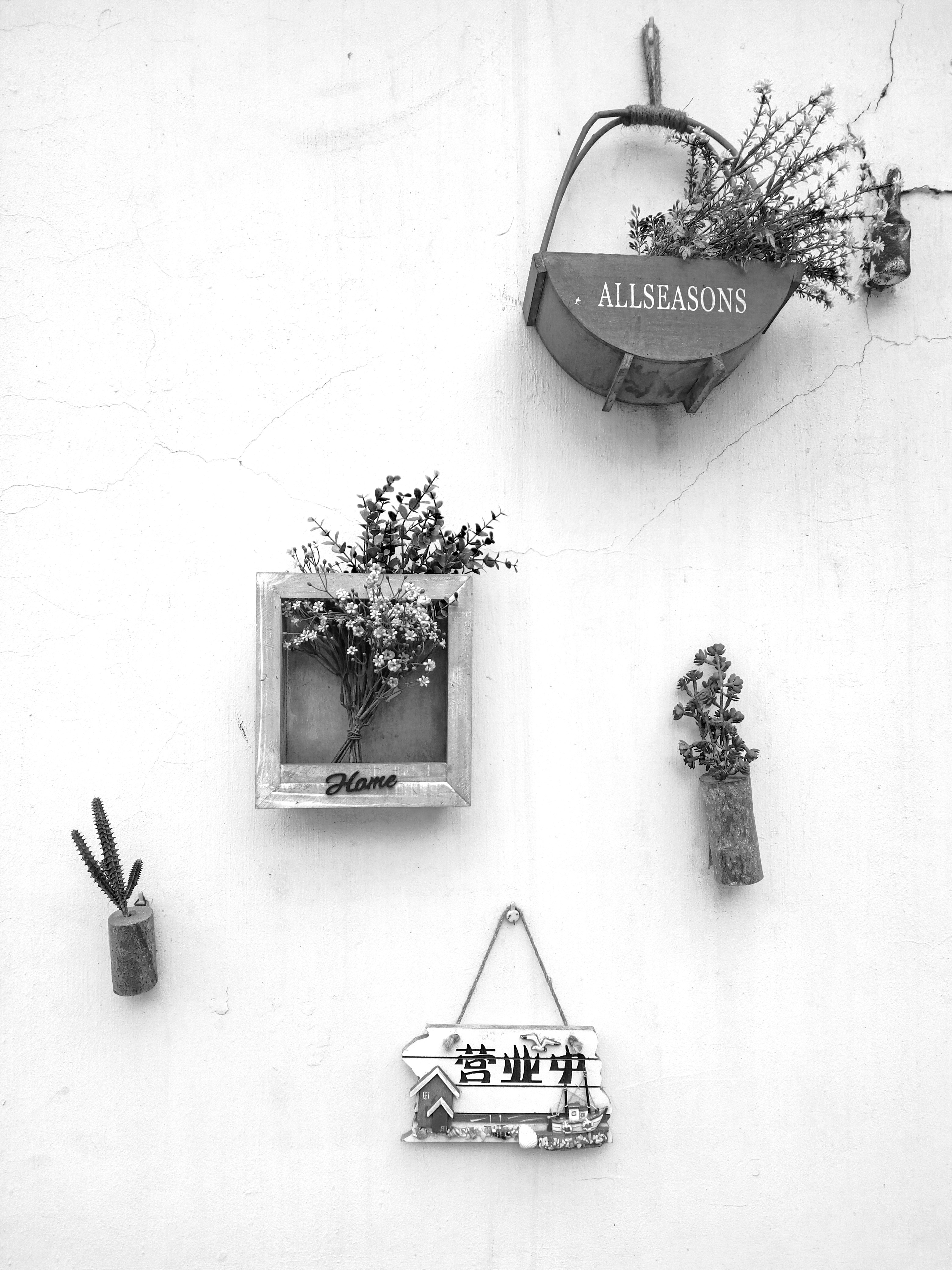
Introduction to DIY House Decoration
In recent years, the concept of do-it-yourself (DIY) house decoration has gained significant traction among homeowners and renters alike. This creative outlet not only allows individuals to express their personal style but also serves as a cost-effective means to enhance and transform living spaces. Many people find that engaging in DIY projects fosters a deeper connection to their homes, as they can manifest their unique vision without the constraints often associated with traditional interior design.
DIY house decoration provides various benefits beyond mere aesthetics. It encourages resourcefulness and innovation, pushing individuals to think outside the box and utilize materials creatively. With the rising availability of online resources, tutorials, and community support, embarking on these projects has become more accessible than ever. Thus, many are inspired to take on tasks that may have once seemed daunting, gaining confidence in their abilities to curate their desired ambiance.
Personalization is a key aspect of DIY house decoration, allowing individuals to tailor their environments to reflect their tastes and preferences. Unlike store-bought decor, which may lack character and originality, DIY projects enable one to craft pieces that are distinctly their own. This sense of ownership not only enhances the environment but also provides a feeling of accomplishment and pride in the finished product.
Moreover, engaging in DIY projects can be a fulfilling and therapeutic activity, offering a break from the digital world while harnessing one’s creativity. The satisfaction derived from creating something unique greatly contributes to the appeal of home improvement efforts. As a result, DIY house decoration has become more than just a trend; it is a movement that empowers individuals to take charge of their living spaces, fostering an atmosphere that feels inviting and personal.
Budgeting for DIY Projects
Embarking on DIY house decoration projects can be a fulfilling endeavor, but it is imperative to approach it with a well-defined budget. Setting a realistic budget is the first critical step toward ensuring that your home transformation is both enjoyable and financially manageable. Start by evaluating the scope of your project; outline the specific tasks you wish to accomplish, and estimate the associated costs. A detailed list of materials and supplies will help you obtain an accurate estimate of expenses.
Material costs can vary significantly based on quality and sourcing options. When selecting supplies, conduct thorough research to compare prices across different retailers. Local hardware stores, craft shops, and online platforms such as e-commerce marketplaces often have promotions or sales that can help you find budget-friendly options. Additionally, consider purchasing materials in bulk or opting for generic brands, as these strategies can result in significant savings without compromising quality.
Sourcing affordable supplies can also involve creativity. Recycling and upcycling can breathe new life into old items, transforming them into unique decoration pieces at minimal cost. Thrift stores, garage sales, and online marketplaces are excellent resources for inexpensive décor items, furniture, and tools. Always keep an eye out for opportunities to repurpose existing materials—this not only shows creativity but also contributes to effective budgeting for your DIY house decoration projects.
As you progress through your DIY projects, keeping track of expenses is crucial. Maintain a budget spreadsheet to monitor spending, enabling you to adjust if necessary. By following these budgeting strategies, DIY enthusiasts can effectively manage their financial resources, ensuring their home enhancement projects remain both enjoyable and within financial constraints.
Choosing Your Decoration Style
Interior decoration plays a crucial role in establishing the ambiance and personality of any living space. To create a home that truly reflects individual tastes, it is essential to select a decoration style that resonates with one’s aesthetic preferences. Various styles offer unique characteristics that can dramatically alter the look and feel of your environment.
Modern decoration emphasizes clean lines, simplicity, and functionality. This style often incorporates neutral colors and geometric shapes, allowing for a sleek and uncluttered appearance. If a homeowner appreciates contemporary design coupled with innovative materials, modern decor could be an optimal choice.
On the other hand, rustic decoration focuses on creating a warm, inviting atmosphere that often incorporates natural materials like wood and stone. This style features a range of textures and earthy colors, enhancing the connection with nature. For those who favor a cozy, homey feel reminiscent of country living, rustic decor can be an ideal option.
For individuals who are enamored with history and charm, vintage decoration offers a nostalgic touch. Incorporating antique furniture pieces and retro color schemes can create a timeless aesthetic that celebrates the past. Vintage decor allows for creativity in blending old and new, resulting in a space that tells a story.
Lastly, the minimalist style embraces simplicity and functionality, often characterized by a limited color palette and decluttered spaces. This style promotes mindfulness, focusing on essential items while eliminating excess decor. Minimalist design can create a calming effect, making it particularly appealing for those seeking simplicity in their living environments.
In choosing a decoration style, it is vital to assess both personal preferences and the existing decor elements in your home. By aligning these factors, homeowners can ensure a cohesive and harmonious look throughout their space, making the decoration process both enjoyable and fulfilling.
Maximizing Space with DIY Decor
Maximizing space in a home is an essential aspect of effective living, particularly for those residing in smaller environments. DIY decor projects offer an excellent opportunity to transform any space into a more functional area while maintaining an aesthetically pleasing appearance. One effective strategy involves creating multi-functional furniture. For instance, a coffee table that doubles as a storage unit can help minimize clutter, ensuring that items are both accessible and neatly organized. Similarly, designing a bench with hidden compartments provides both seating and storage, allowing homeowners to maximize utility without sacrificing style.
In addition to multi-functional furniture, the utilization of vertical space can significantly enhance the overall functionality of a room. This approach often includes the installation of shelves that ascend to the ceiling, facilitating the effective use of otherwise underutilized areas. Wall-mounted shelves can serve as excellent decor elements while providing necessary storage for books, plants, or decorative items. Furthermore, incorporating hooks and pegboards can clear floor space and create an organized and visually appealing wall display.
Moreover, integrating collapsible furniture into your environment can also prove beneficial when aiming to maximize available space. Foldable chairs and tables allow for quick and easy rearrangement as needed, making them ideal solutions for gathering areas that require flexibility. Utilizing furniture that can adapt to various functions not only conserves space but also inspires creativity in design.
Ultimately, embracing the multitude of possibilities within DIY decor can lead to practical solutions in home organization while enhancing a space’s visual appeal. By carefully selecting and crafting multi-functional pieces and incorporating vertical elements, any homeowner can effectively maximize their living environment, achieving a balance between function and style.
Choosing the Right Scene for Your DIY Projects
When embarking on DIY house decoration projects, selecting the right scenes within your home is crucial for achieving a cohesive and visually appealing outcome. Several factors should be considered, including lighting, existing decor, and spatial dynamics. Proper assessment of these elements can significantly influence the success of your DIY endeavors.
Firstly, evaluate the lighting in the areas you plan to transform. Adequate natural light can enhance the beauty of any project, making colors appear more vibrant and textures more pronounced. Rooms that receive abundant sunlight may benefit from lighter color palettes, while dimmer spaces can take advantage of bolder hues and striking designs to create a focal point. Furthermore, consider the time of day when natural light is present, as this can affect how certain colors appear throughout the day.
Next, reflect on your current decor elements. It is essential that new projects harmonize with existing furniture, artwork, and color schemes. For example, if your living room features a modern aesthetic, adding rustic decor may create visual dissonance. To ensure a seamless integration, choose DIY projects that complement and enhance your space. This might involve updating color schemes or taking inspiration from the textures and materials present in your home.
Another critical aspect to consider is how the chosen projects will alter the atmosphere and functionality of each room. Different areas in your home serve various purposes, and your DIY activities should align with those functions. For instance, creating a cozy reading nook should focus on comfort, while a DIY kitchen backsplash should prioritize both aesthetics and practicality. By thoughtfully selecting the right scenes for your DIY projects, you elevate not just the looks but also the overall experience of your space, which fosters a harmonious living environment.
Essential Tools for DIY Decoration
Embarking on DIY decoration projects requires a well-equipped toolbox to ensure that tasks are completed efficiently and effectively. Having the right tools on hand can make a significant difference in both the process and outcome of your project. Below is a comprehensive list of essential tools that every DIY enthusiast should consider, along with their purposes.
Firstly, a good quality tape measure is indispensable for accurate measurements. It allows you to ensure that items fit perfectly within your desired spaces, helping to mitigate costly mistakes. Next, a level tool is crucial for ensuring that your shelves, frames, or other decorations are perfectly straight, adding a professional touch to your work.
Moreover, utility knives are versatile tools that are handy for a variety of cutting tasks, from trimming wall coverings to shaping craft materials. A hammer is also a fundamental tool in the DIY toolkit; it is essential for driving nails into wood or hanging decorations. In addition to a hammer, consider purchasing a set of screwdrivers, as they are needed for assembling furniture or securing decorative fittings.
Another valuable tool is a paintbrush or roller set, which is vital for any painting or refreshing of surfaces in your home. If you plan to work with more detailed projects, a hot glue gun can be invaluable for a variety of crafting tasks. To ensure safe usage, protective gear such as gloves and safety glasses should not be overlooked.
All these tools can typically be found at local hardware stores, home improvement retailers, or online marketplaces. Additionally, consider borrowing tools from friends or family to save on initial expenses, especially for those you may only use once in a while. Equipping yourself with these essential tools will set the stage for a successful and enjoyable DIY decoration experience.
Step-by-Step DIY Project Ideas
Engaging in DIY house decoration projects can be an enriching experience, allowing individuals to personalize their surroundings. Below are a selection of diverse projects, ranging in complexity, that can transform any space into a reflection of personal taste.
1. Recycled Pallet Coffee Table: To create a rustic coffee table, gather a few wooden pallets, sandpaper, wood stain, and screws. Begin by sanding the pallets to eliminate any rough edges, then assemble them to the desired table height. Apply wood stain for a polished finish. This project typically requires about 3-4 hours, depending on personal skill level.
2. Painted Plant Pots: Refresh indoor or outdoor plant pots with a splash of color. Materials needed are terracotta pots, acrylic paint, and paintbrushes. Clean the pots and ensure they are dry before painting. You can incorporate patterns or solid colors according to your style. This project can be completed within 1-2 hours.
3. Wall Art with Fabric Scraps: Transform leftover fabric into unique wall art. Gather a canvas, fabric scraps, and glue. Cut the fabric into various shapes and sizes, then adhere them to the canvas. Not only does this brighten a wall, but it also recycles materials. This project can take about 2-3 hours.
4. DIY Shelving Unit: Build a simple shelving unit to maximize storage. You will need wooden planks, brackets, screws, and a drill. Measure the desired space, cut the wood to size, and secure the shelves with brackets on the wall. This task often requires 4-6 hours for assembly and installation.
5. Decorative String Lights: Enhance ambiance with homemade string lights. Acquire LED fairy lights and decorative paper cups or jars. Simply attach the lights to the cups and arrange them as desired. This project can be completed in 1 hour and adds a cozy touch.
These project ideas, whether simple or intricate, can significantly enhance your home’s aesthetic. Each endeavor presents an opportunity for creativity while also allowing for individual expression through house decoration.
Adding Personal Touches to Your Decor
In the realm of DIY house decoration projects, personalizing your space is crucial for creating an inviting atmosphere that reflects your individual taste and experiences. Personalization can transform standard decor into unique representations of your identity and memories. By integrating personal elements, such as family photographs, treasured souvenirs, or mementos from travels, you can craft an environment that feels distinctly yours.
One effective approach to incorporating personal touches is through the display of family photographs. Create a gallery wall using a mix of frames in various sizes and styles to showcase moments you cherish. This not only adds visual interest to your wall but also tells a story of your life and experiences. Consider arranging the frames in a pattern that suits your decor style, whether it is modern, rustic, or eclectic. As you curate your photo collection, focus on capturing significant milestones, candid moments, and group portraits that elicit fond memories.
Souvenirs collected from your travels can also serve as an essential component of your decor. Whether it’s a unique piece of art, decorative objects, or even a collection of postcards, these items contribute to your home’s character. Displaying such souvenirs prominently in your living space allows you to share your adventures with guests while reminding you of your travels. Find creative ways to showcase these objects; for example, a shadow box can house smaller items, while larger pieces can stand on shelves or be hung on walls.
Customizing your decor with personalized elements not only enhances the overall aesthetic but also creates a warm and welcoming environment. By thoughtfully considering your choices, you can design a space that embodies your personality, making it a true reflection of who you are. As you embark on your DIY projects, keep in mind that the most significant aspect of decoration is its ability to narrate your story and celebrate your individuality.
Conclusion and Final Thoughts
Throughout this blog post, we have explored ten engaging DIY house decoration projects that have the potential to transform any living space into a personalized sanctuary. Each project serves not only as a way to enhance the aesthetic appeal of a home but also as a means to express one’s creativity and individuality. From upcycling vintage furniture to crafting unique wall art, these DIY ideas encourage homeowners to innovate and reimagine their environments. Undertaking such projects often leads to a deep sense of satisfaction, knowing that the decorations reflect personal style and craftsmanship.
Embarking on a DIY decoration journey can be both thrilling and rewarding. It allows individuals to experiment with different materials, colors, and design ideas, discovering new techniques along the way. Moreover, the opportunities for customization are virtually limitless, making it possible to create decor that truly resonates with one’s preferences and needs. We hope that the projects discussed in this blog post inspire creativity and motivate you to explore your own decorating potential.
We invite you to share your DIY experiences with us. Whether you tackle one of the projects mentioned or conceive of a unique idea of your own, we would love to hear about it. Your contributions not only enrich our community but also inspire fellow readers who may be looking for guidance or motivation in their decorating endeavors. Let us cultivate a network of creative decorators eager to share insights, tips, and success stories, fostering a spirit of collaboration and inspiration. Happy decorating!